
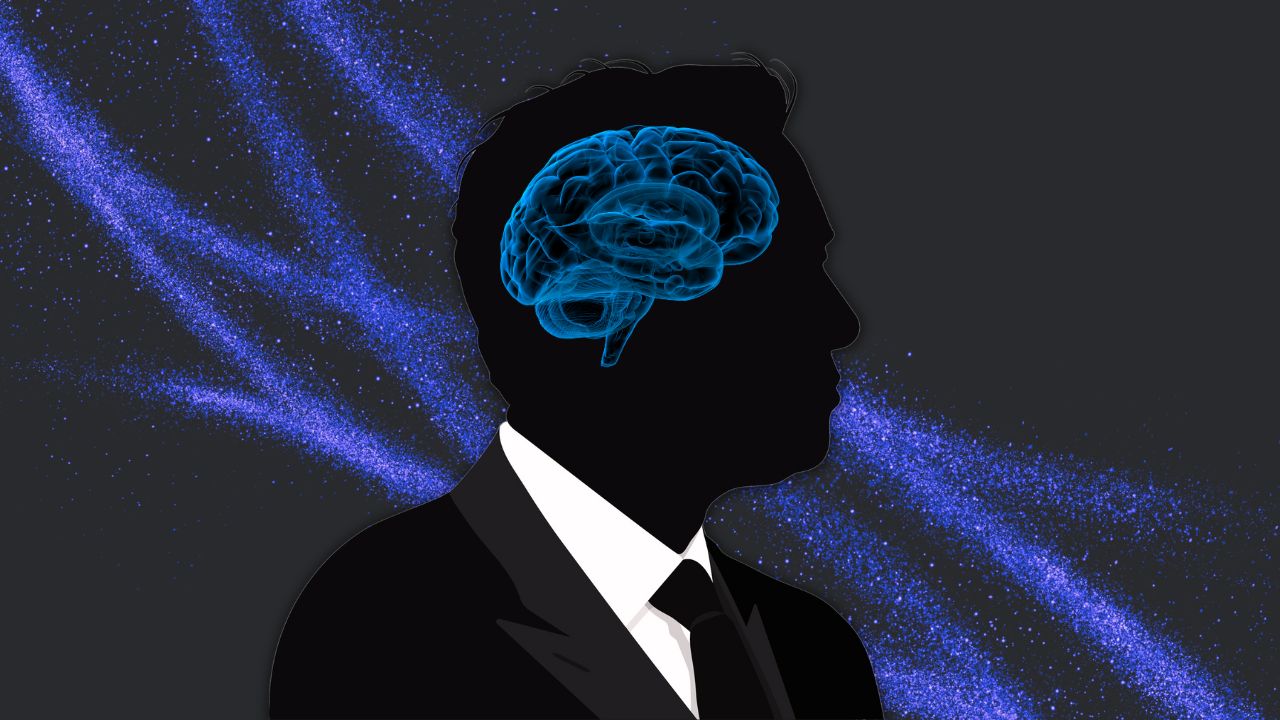
- Elon Musk’s biotech startup Neuralink began recruitment earlier this year for its first human clinical trial after receiving approval from an independent review board.
- This technology could revolutionize how people interact with digital devices and systems in the future of work.
- If successful, it could pave the way for a new era where physical interaction with computers becomes less necessary, and thought-based commands become the norm.
In a bold leap towards the future of human-computer interaction, Elon Musk’s biotech venture Neuralink is ready to take its groundbreaking and controversial technology from lab to life.
Elon Musk’s biotech startup Neuralink began recruitment earlier this year for its first human clinical trial after receiving approval from an independent review board, according to CNN.

The trial, named the PRIME Study, aims to test the safety and functionality of a brain-computer interface implant designed to help paralysis patients regain control of their movements. The chip, installed by a robot, will be placed in the part of the brain that controls movement intention. It will then record and transmit brain signals to an app, allowing the user to control a computer cursor or keyboard with their thoughts.
The study is open to those with quadriplegia resulting from cervical spinal cord injury or amyotrophic lateral sclerosis. The six-year-long study will include 18 months of at-home and clinic visits, followed by follow-up visits over five years. This development comes after the company faced scrutiny over animal testing and safety concerns about the implant migrating or causing brain tissue damage.

What will Neuralink mean for the future of work?
This technology could revolutionize how people interact with digital devices and systems in the future of work. If successful, it could pave the way for a new era where physical interaction with computers becomes less necessary, and thought-based commands become the norm.
This could have profound implications for individuals with disabilities, potentially enabling them to participate more fully in various aspects of work and life. However, there are still significant ethical, safety, and regulatory hurdles to overcome before such technology can be widely adopted.
Neuralink is certainly poised to significantly alter the future of work and how tasks are accomplished, and could potentially revolutionize various sectors including healthcare, education, and transportation, and far more.
In the healthcare sector, Neuralink could enhance the diagnosis and treatment of brain-related conditions. It could detect early signs of diseases like Alzheimer’s or Parkinson’s and monitor their progression in real-time. This could aid healthcare professionals in developing more targeted treatments for these conditions. The technology could also restore or improve brain function in individuals who have suffered from brain injuries or other types of brain damage.

In the realm of education, Neuralink could enhance learning and memory capabilities, allowing people to retain and recall information more efficiently. It could also expedite the process of acquiring new skills, as the technology could enable direct knowledge and skill transfer from one person to another, or access vast amounts of information stored in a computer or other device. This could revolutionize the approach to education, making learning and mastering new subjects much more efficient.
Neuralink and remote work
The potential impact of Neuralink on remote work is also significant. By enabling direct mental control of computers and other devices, it could revolutionize how we interact with technology in our workplaces. For instance, individuals could control their work tools, such as keyboards or mice, using only their thoughts. This could lead to increased efficiency and productivity, as well as open up new possibilities for individuals with physical disabilities.
Neuralink holds the potential to significantly change how work gets done across various sectors. By creating a direct connection between the human brain and computers, it could revolutionize the way we live and work, leading to significant advancements in a multitude of fields.
But is it viable?
Elon Musk has ambitious plans for Neuralink, envisioning its use in treating conditions like obesity, autism, depression, and schizophrenia. Additionally, in theory, it could improve the quality of life for people with disabilities, enabling those who are paralyzed to control their bodies again, allowing the blind to see, and making it possible for the deaf to hear.
Critics have raised several concerns about Neuralink. One of the major criticisms is related to the safety of the device. The U.S. Food and Drug Administration (FDA) had concerns about the device’s lithium battery and the possibility that the implant’s wires might migrate to other parts of the brain.
However, the FDA gave approval for human trials in May 2023. Another criticism is related to the ethical issues surrounding the Neuralink trial, including consent and freedom of thought. Experts have warned that it poses a risk to freedom of thought and threatens the “last bastion of privacy.”
The journey ahead is fraught with uncertainty, but one thing is clear: Neuralink represents a bold leap into the future that could profoundly shape our relationship with technology. As we move forward, it will be crucial to balance the pursuit of innovation with the safeguarding of human dignity and privacy.