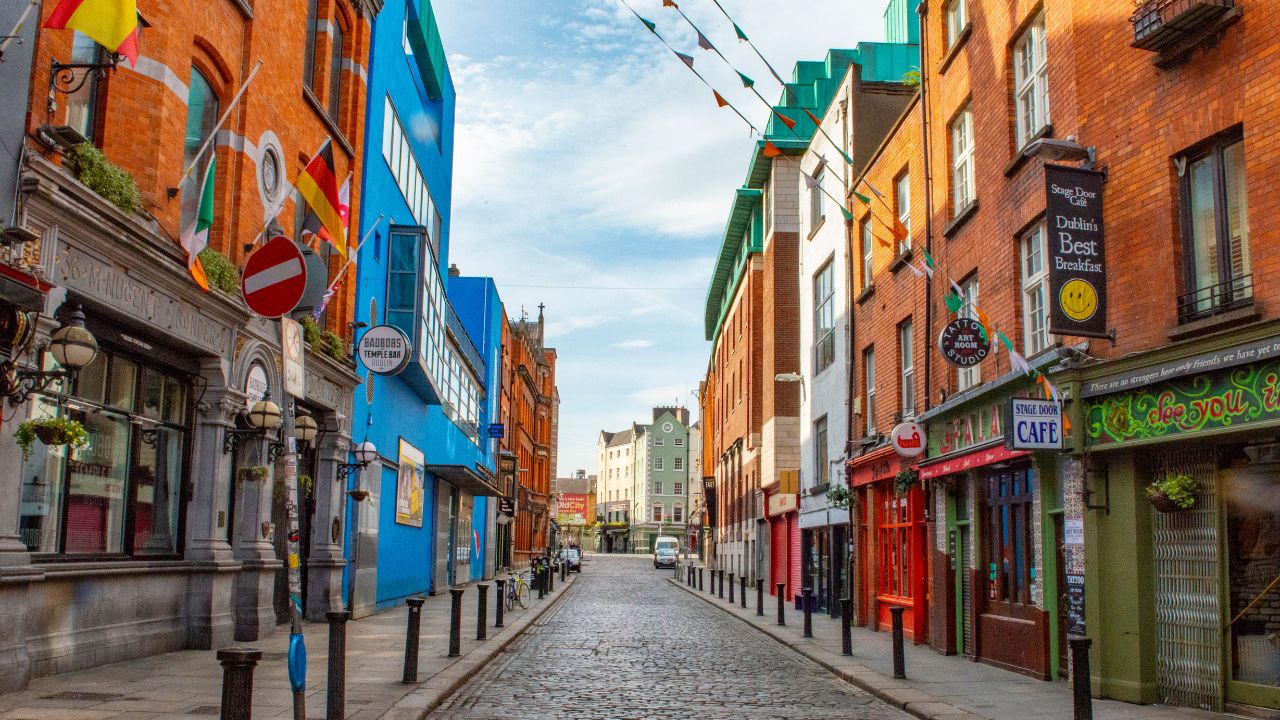
As hybrid work becomes a permanent fixture in the professional world, flexible office spaces have changed from a niche offering to a fundamental part of the modern workplace. This is becoming extremely apparent in the U.K. and Ireland, which together form one of the most densely supplied coworking regions globally.
According to new data from Coworking Cafe, the U.K. and Ireland boast a combined 4,199 coworking locations. This extensive network highlights both rising demand and a sector that has matured significantly in response to businesses seeking scalable, cost-effective alternatives to long-term leases.

Major Coworking Hubs Centered Around Capital Cities
The vast majority of coworking spaces are concentrated in urban centers. The U.K. alone hosts 3,949 locations, while Ireland contributes 250 — nearly half of which are situated in Dublin.
London dominates the landscape, with 1,202 coworking spaces, making up close to one-third of the U.K.’s total. Manchester follows distantly with 118 locations. Birmingham (68), Glasgow (61), and Bristol (61) form the next tier, while Edinburgh (55), Leeds (54), and Cardiff (41) also host significant coworking communities. In Northern Ireland, Belfast holds the top spot with 38 locations — tied with Liverpool.

Flexible Workspace Pricing Reveals Sharp Regional Variations
Coworking prices vary significantly across different cities in the U.K. and Ireland, with capital cities generally commanding premium rates.
Day Passes
The U.K.’s median cost for a day pass sits at £25. Cities like London, Oxford, Edinburgh, and Belfast report higher-than-average day pass prices of £30, while Aberdeen trails slightly behind at £28. Conversely, cities such as Glasgow, Nottingham, Newcastle, and Brighton offer more budget-friendly options at £23.
Monthly Memberships
Nationwide, the median monthly rate for an open desk is £180. Oxford stands out with the highest median cost at £295, followed by Brighton (£207) and London (£203). Liverpool (£139) and Birmingham (£150) are among the more affordable top-tier markets.
Virtual Offices
Virtual office pricing exhibits some of the widest disparities. The U.K.’s national median is £95 per month, but Liverpool charges £175 — nearly double. London (£125), Glasgow (£119), and Birmingham (£114) also surpass the median. On the lower end, Cardiff and Bristol offer some of the most affordable options, both under £50.
Meeting Room Rentals
The median hourly rate for meeting spaces across the U.K. is £30. London leads with £50 per hour, followed by Edinburgh (£40), Manchester and Birmingham (both £35), and Leeds (£31). Nottingham offers the best value at just £20 per hour.
In Ireland, Dublin consistently ranks as the most expensive city for flexible workspace. A day pass costs €35, compared to the national median of €25. Virtual office services average €134 per month in the capital, while the national figure is €117. Meeting rooms in Dublin also top the charts with a €50 hourly rate — €10 above the countrywide average.
Market Leaders: Regus Continues to Dominate
When it comes to operators, Regus retains its position as the largest provider across the U.K. and Ireland. In the U.K., Regus operates 249 locations, including 90 in the country’s 15 most active cities. Fora follows with 63 spaces in top urban markets, while Bruntwood has 53 sites focused mainly in northern cities such as Manchester and Leeds. Workspace Group, with 51 locations in the key cities, largely concentrates on the London market. Spaces rounds out the top five, operating 46 of its 63 U.K. locations in major urban areas.
In Ireland, the coworking scene is much more centralized. Dublin dominates with the majority of the country’s coworking infrastructure. Local providers Pembr and Iconic Offices have all their locations in the capital, with 18 and 14 sites respectively.
Regus, however, is the only large operator with a broader national reach, offering 18 spaces (10 of which are in Dublin) giving it the most geographically diverse footprint in the Irish market.