Advertise With Us
Tuesday, February 3, 2026
Explore
Allwork.Space
No Result
View All Result
Newsletters
  • Latest News
  • Leadership
  • Work-life
  • Coworking
  • Design
  • Career Growth
  • Tech
  • Workforce
  • CRE
  • Business
  • Podcast
  • More
    • Columnists
      • Dr. Gleb Tsipursky – The Office Whisperer
      • Nirit Cohen – WorkFutures
      • Angela Howard – Culture Expert
      • Drew Jones – Design & Innovation
      • Jonathan Price – CRE & Flex Expert
    • Get the Newsletter
    • Events
    • Advertise With Us
    • Publish a Press Release
    • Brand PulseNew
    • Partner Portal
No Result
View All Result
Newsletters
Allwork.Space
No Result
View All Result
  • Home
  • News
  • Leadership
  • Work-life
  • Coworking
  • Design
  • Workforce
  • Tech
  • CRE
  • Business
  • Podcast
  • Career Growth
  • Newsletters
Advertisements
Nexudus - Is Your Space Performing?
Home News

U.S. Workplace AI Use Jumps to 45%, According to Gallup Data

While nearly half of U.S. employees now use AI at work at least occasionally, only a small fraction rely on it daily.

Allwork.Space News TeambyAllwork.Space News Team
December 16, 2025
in News
Reading Time: 3 mins read
A A
U.S. Workplace AI Use Jumps to 45%, According to Gallup Data

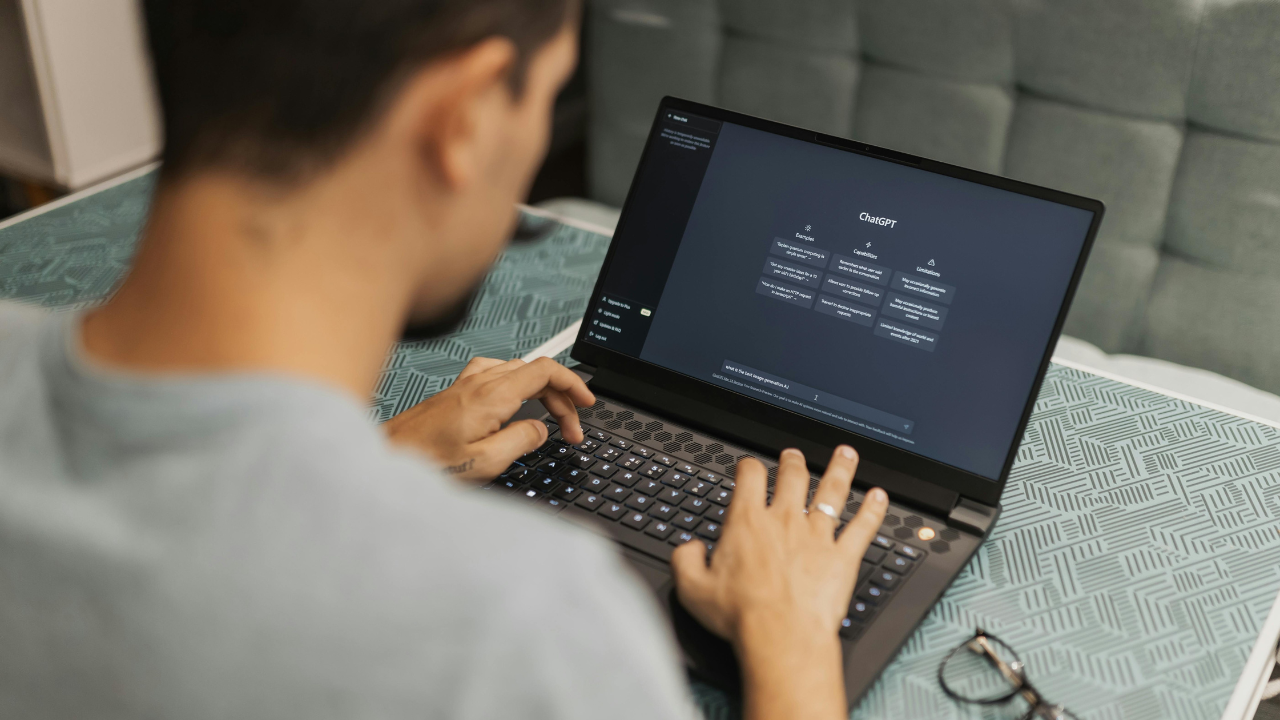
AI is spreading across U.S. workplaces, yet many employees still barely use it and don’t fully grasp its potential.

Artificial intelligence is becoming more common in U.S. workplaces, but it remains unevenly adopted and poorly understood by many employees, according to new Gallup workforce data.

Between the second and third quarters of 2025, the share of U.S. workers who said they use AI on the job at least a few times a year rose from 40% to 45%. More frequent use is also growing: employees using AI a few times a week or more increased from 19% to 23%. Daily use, however, remains limited, inching up from 8% to just 10%.

Advertisements
Nexudus - Is Your Space Performing?

Knowledge Workers Lead AI Adoption

AI use is heavily concentrated in knowledge-based roles. Employees in technology and information systems report the highest usage, with more than three-quarters saying they use AI at least occasionally. Finance and professional services also show strong adoption, with close to 60% reporting AI use.

By contrast, frontline-heavy industries lag significantly. Only about one-third of retail workers and just over a third of healthcare and manufacturing employees say they use AI at work with the same frequency. The gap highlights how access to AI tools is often tied to job type rather than overall workforce availability.

Advertisements
Alliance Virtual Offices - Automate Revenue Ops

Many Employees Don’t Know If Their Company Uses AI

Despite rising individual use, organizational clarity around AI remains low. In the third quarter of 2025, only 37% of employees said their employer had implemented AI to improve productivity or quality. Forty percent said their organization had not adopted AI, while nearly one-quarter said they didn’t know.

Uncertainty was highest among individual contributors, part-time workers, frontline employees, and those working fully on-site. Employees farther from leadership and decision-making were much less likely to be aware of AI initiatives.

This disconnect suggests that some workers are using AI tools independently—such as personal chatbots or writing assistants—without clear guidance or visibility into company-wide AI strategies.

AI Communication Gaps Come Into Focus

Gallup adjusted its survey in 2025 to include a “don’t know” option when asking about organizational AI adoption. Earlier versions forced employees to choose whether AI had or had not been implemented, making those results difficult to compare directly.

Advertisements
Alliance Virtual Offices - Automate Revenue Ops

The updated approach revealed a key issue: many organizations are deploying or allowing AI use without clearly communicating what is approved, how it fits into workflows, or why it is being used.

How Employees Are Actually Using AI

Among employees who use AI at least occasionally, the most common tasks are practical and basic. Workers primarily rely on AI to summarize or consolidate information, generate ideas, and learn new skills. These use cases have remained consistent over the past year.

Chatbots and virtual assistants are the most widely used AI tools, followed by writing and editing software. More advanced tools, such as coding assistants or data analytics platforms, remain niche and are mostly used by frequent AI users.

Employees who use AI often are far more likely to rely on specialized tools, particularly for coding and analytics, highlighting a growing skills divide within the workforce.

AI Growth Continues, but Adoption Is Still Shallow

While nearly half of U.S. employees now use AI at work at least occasionally, only a small fraction rely on it daily. Usage remains concentrated in specific industries and roles, and many employees remain unclear about their organization’s AI strategy.

The data suggests that broader AI adoption depends less on tool availability and more on leadership support, clear communication, and thoughtful integration into everyday work. Without that structure, AI use is likely to remain fragmented rather than transformational.


Advertisements
Your Brand Deserves The Spotlight - Advertise With Us - Allwork.Space
Tags: AICollaborationLeadershipNorth AmericaTechnologyWorkforce
Share7Tweet4Share1
Allwork.Space News Team

Allwork.Space News Team

The Allwork.Space News Team is a collective of experienced journalists, editors, and industry analysts dedicated to covering the ever-evolving world of work. We’re committed to delivering trusted, independent reporting on the topics that matter most to professionals navigating today’s changing workplace — including remote work, flexible offices, coworking, workplace wellness, sustainability, commercial real estate, technology, and more.

Other Stories Recommended For You

Caregiving Pressures Pushed 455,000 Women Out Of The Workforce Last Year
News

Caregiving Pressures Pushed 455,000 Women Out Of The Workforce Last Year

byAllwork.Space News Team
47 minutes ago

More than 455,000 women exited the U.S. workforce between January and August 2025, according to new research from Catalyst.  The...

Read more
Tech Careers Were Supposed to Be Safe. Now The Sector Leads Layoffs

Tech Careers Were Supposed to Be Safe. Now The Sector Leads Layoffs

51 minutes ago
Yale Report: Companies May Be Hiding Behind AI Instead Of Admitting Layoffs’ Deeper Causes

Yale Report: Companies May Be Hiding Behind AI Instead Of Admitting Layoffs’ Deeper Causes

2 hours ago
U.S. Fed President Doubts Sustained Productivity Surge Despite Recent Gains

U.S. Fed President Doubts Sustained Productivity Surge Despite Recent Gains

2 hours ago
Advertisements
Yardi Kube automates flex and coworking operations
Advertisements
Nexudus - Is Your Space Performing?

The Future of Work® Newsletter helps you understand how work is changing — without the noise.

Choose daily or weekly updates to stay current, and monthly editions to explore worklife, work environments, and leadership in depth.

Trusted by 22,000+ leaders and professionals.

2026 Allwork.Space News Corporation. Exploring the Future Of Work® since 2003. All Rights Reserved

Advertise  Submit Your Story   Newsletters   Privacy Policy   Terms Of Use   About Us   Contact   Submit a Press Release   Brand Pulse   Podcast   Events   

No Result
View All Result
  • Home
  • Latest News
  • Topics
    • Business
    • Leadership
    • Work-life
    • Workforce
    • Career Growth
    • Design
    • Tech
    • Coworking
    • Marketing
    • CRE
  • Podcast
  • Events
  • About Us
  • Advertise | Media Kit
  • Submit Your Story
Newsletters

Welcome Back!

Login to your account below

Forgotten Password?

Retrieve your password

Please enter your username or email address to reset your password.

Log In
This website uses cookies. By continuing to use this website you are giving consent to cookies being used. Visit our Privacy and Cookie Policy.
-
00:00
00:00

Queue

Update Required Flash plugin
-
00:00
00:00