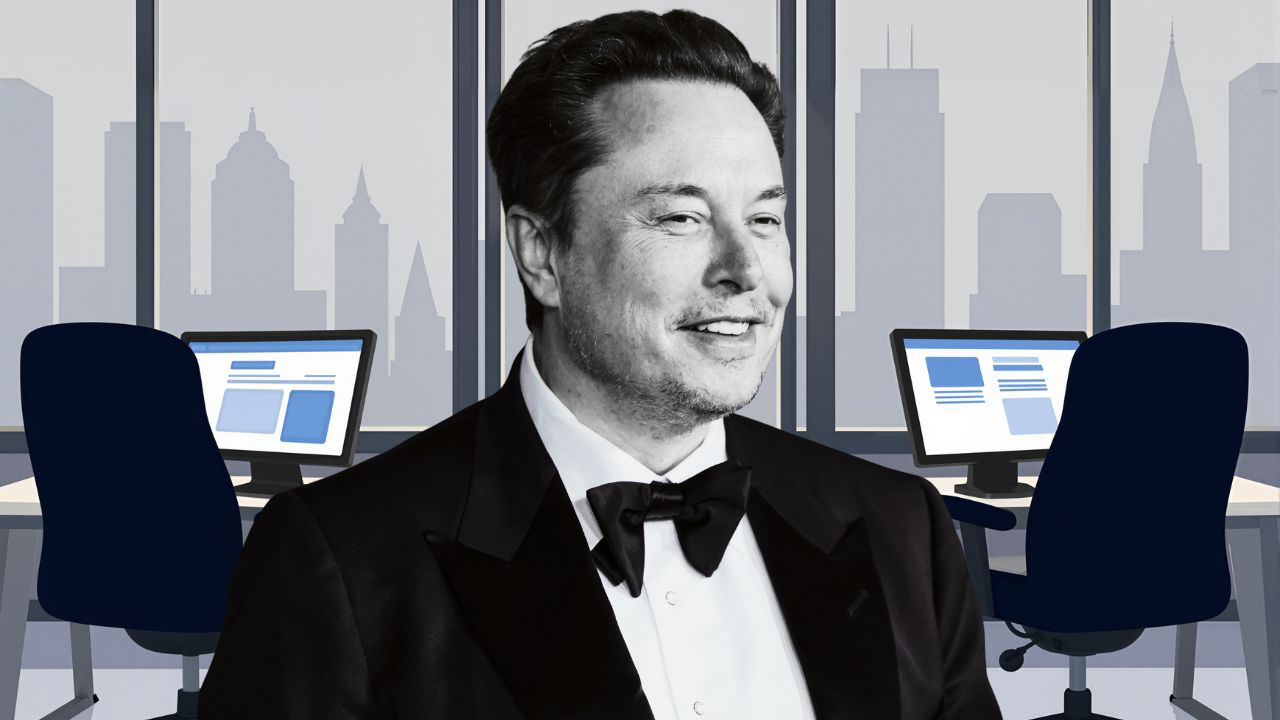
Elon Musk recently sat down with Nikhil Kamath and painted a bold picture of the future: one where AI takes care of everything, work becomes optional, and scarcity disappears. But in the same breath, Musk pointed to another concern — that declining population growth might limit our ability to explore, learn, and grow as a species.
Those two ideas don’t really work together.

If expanding human awareness is key to progress, then people still matter, maybe more than ever.
While Musk talks about what might happen, plenty of people are already acting like they have more choice in how they work. They’re leaning into purpose, flexibility, and autonomy and in the process, changing how work fits into their lives.

People Are Taking Control of Work, And Life Along With It
Across roles and generations, more people are stepping back and rethinking what work means to them. They’re not waiting around for some future powered by AI. They’re questioning old rules — like rigid 9-to-5 schedules or climbing the corporate ladder — and instead choosing to work in ways that line up with the lives they actually want to live.
This future of less work isn’t about doing less. It’s about doing less of what doesn’t matter and more of what does.
There’s data to back this up. According to Gallup, over half of remote-capable workers are now hybrid. A quarter are fully remote, and only 22% are fully on-site. That’s a huge shift from 2019, when most people still went to the office every day.
JLL’s Workforce Preference Barometer found something similar: people now prioritize work-life balance even more than salary. Flexibility has grown beyond location. It’s also about time. People want to choose when they work, not just where, so they can perform better and feel better.

At the same time, more people are building income streams on their own terms. The independent and gig economy continues to grow, with over a third of the U.S. workforce participating. A rising number of them are working independently full-time and earning more.
That old idea of having just one employer for your whole career is fading fast.
People Want Work to Fit Into Life Not Take It Over
This isn’t limited to one group or one kind of job. From designers and developers to teachers and nurses, people everywhere are pushing back on the idea that work should run their lives.
They’re launching side projects, picking up freelance gigs, requesting micro-shifts, and building careers that don’t follow the usual script. They want more say over their time. They’re setting boundaries for learning, rest, and growth. And they’re expecting work to make space for the rest of life, not the other way around.
While Musk talks about a future where AI gives us more free time, today’s workforce is already moving in that direction by taking back control. If human consciousness really is the engine of innovation, then the companies that succeed will be the ones that support what makes us human — things like creativity, empathy, curiosity, and big-picture thinking. That’s what gives technology real value.
Progress is about people, not machines. It starts with people who have space to think, explore, and bring new ideas to life. That’s where leaders should be focusing. Because the rules of work are being rewritten right now by the very people doing the work.
Why People Still Matter in a World of AI
This goes deeper than just how we work; it’s changing what success even looks like. For years, success meant long hours, late nights, and staying loyal to one employer. But more people are starting to question that.
They’re asking things like: What kind of life does this job support? How much is enough? What really matters to me?
Which brings us back to Musk. It’s not just about whether labor becomes less economically valuable. It’s about recognizing that even in a world full of smart machines, it’s human perspective that shapes what we build, how we use it, and why it matters.
And that only grows in the right environment, one where people are trusted, supported, and given room to learn and lead. Organizations that get this will attract the talent that chooses to be there. Because the best people don’t stick around just because they have to. They show up because they care. Because working with you helps them build the life they want.
If there’s one big takeaway from the Musk-Kamath conversation, it’s this: the future of work is heading toward more human value, not less. Instead of wondering whether people will still need to work, companies should be asking how to earn the loyalty of people who don’t have to.
Optional work is already here. And people are the ones making it happen.