




Artificial intelligence may be built on distributed technology, but the workforce behind it remains geographically concentrated.
New analysis by Coworking Cafe of more than 300 U.S. metropolitan areas shows that most AI job growth is still clustered in a relatively small number of cities where talent pipelines, infrastructure, and employers intersect. But rising costs in traditional tech hubs are pushing some companies and workers toward emerging markets with lower expenses and growing innovation ecosystems.

The findings showcase a key reality of the future of work: even in an industry built around digital tools, location continues to shape career opportunities.
The Core AI Labor Markets
The largest U.S. tech hubs still dominate hiring and salaries for AI professionals.

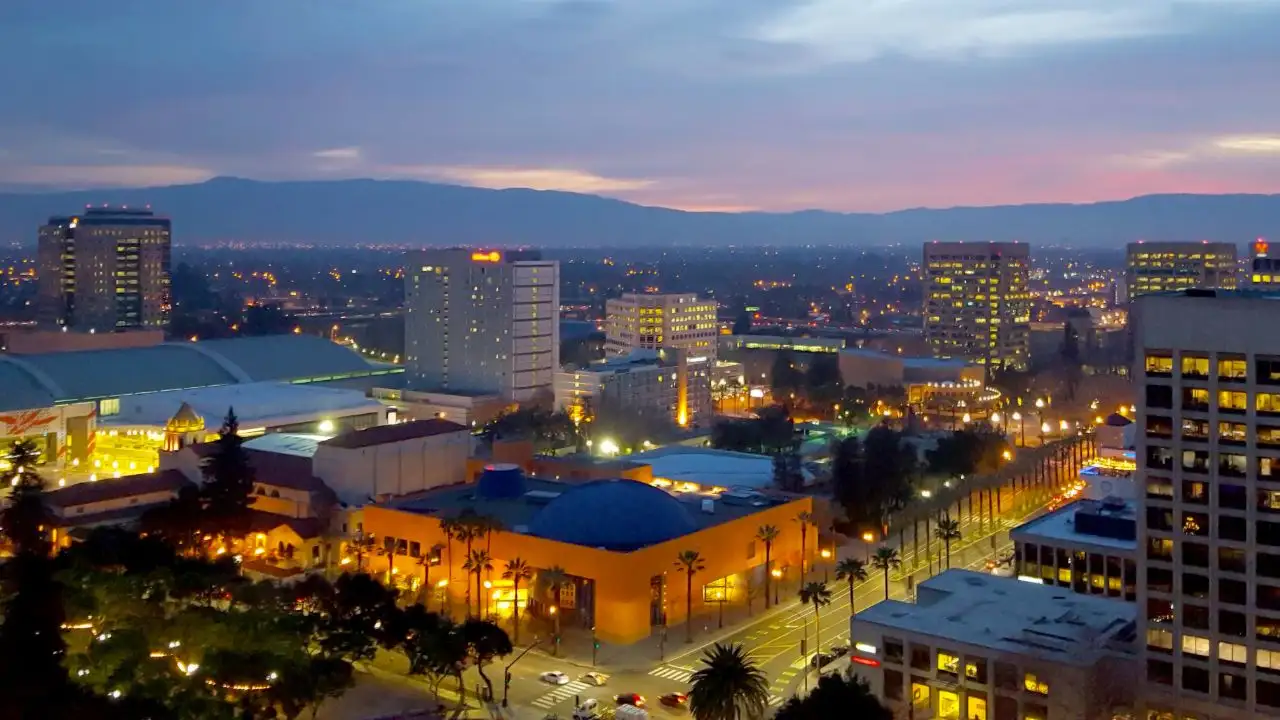
Silicon Valley remains the most concentrated center of AI engineering talent. In the San Jose metro area, AI roles appear at more than six times the national average. Salaries average roughly $215,000, the highest among major metros, although living costs remain well above national norms.
New York has become the country’s largest AI hiring market by volume. The region added more than 15,000 AI job postings between late 2024 and the end of 2025. Unlike Silicon Valley, however, AI represents a smaller share of the city’s overall workforce because the technology sector spans many industries.
Seattle continues to rank among the largest AI labor markets as well, adding more than 12,000 roles. Meanwhile, San Francisco remains a major center for AI startups and research, though its high cost of living continues to challenge both companies and employees.
Dallas Emerges as a Cost-Efficient AI Market
While coastal tech hubs still lead, several cities are gaining ground as companies look for talent in regions with lower operating costs.

Dallas–Fort Worth added more than 6,000 AI jobs across industries including finance, logistics, telecommunications, and enterprise technology. Salaries average around $128,000 — significantly lower than Silicon Valley pay levels — but the region’s relatively moderate living costs allow earnings to stretch further.
The metro also offers expanding digital infrastructure and a growing coworking footprint, factors that help support distributed teams and hybrid work models.
For employers scaling AI teams, the region reflects a broader trend: building technical workforces in cities where talent is available but expenses are less extreme.
Mid-Sized Cities Gain Momentum
Outside the largest tech hubs, several mid-sized metros are quietly building AI ecosystems.
Northwest Arkansas has seen rapid growth in AI job postings while maintaining lower living costs than major coastal cities. Huntsville, Alabama, has developed one of the most specialized AI labor markets in the country, driven by aerospace and defense research.
The Research Triangle region in North Carolina continues to attract AI professionals through its strong university partnerships and growing technology sector. Meanwhile, cities such as Des Moines combine steady hiring with lower costs, allowing companies to expand AI operations more efficiently.
These markets illustrate how the AI workforce is gradually spreading beyond traditional tech centers.
Smaller Innovation Hubs Are Also Specializing
In smaller metros, the total number of AI jobs may be lower, but the roles often represent a significant share of the local workforce.

Boulder, Colorado, stands out for both high salaries and a dense startup ecosystem tied to research institutions. Princeton, New Jersey, and Ann Arbor, Michigan, also show growing AI hiring supported by nearby universities and established research networks.
In some cases, specialization is even more pronounced. Smaller labor markets may host relatively few positions, but those roles can represent highly concentrated clusters focused on specific industries such as healthcare or advanced research.
Geography Still Shapes the AI Workforce
Despite the rise of remote work and distributed teams, the data suggests that the AI economy is not evenly spread across the country.
Large tech hubs still concentrate talent, capital, and research institutions. At the same time, rising costs in those regions are encouraging companies to expand hiring into smaller and mid-sized metros where salaries remain competitive but expenses are lower.
For workers building careers in artificial intelligence, that dynamic is shaping the geography of opportunity.
AI may be developed in digital environments, but the workforce behind it is increasingly distributed across a growing network of cities competing to become the next innovation hub.