



New federal requirements for classified workspaces are forcing a wave of upgrades across the U.S. office market, according to BisNow.
The 2025 update to Intelligence Community Directive 705 introduced tighter protections against electronic surveillance, including stronger shielding against radio frequency and electromagnetic threats. These changes are significant enough that many existing secure spaces may no longer qualify for future use without major renovations.

Because of the complexity and cost—often more than $500 per square foot—landlords and tenants are rethinking not just how to meet the rules, but how to make these spaces viable long term.
Basic Functions Are Being Pushed Out
The most immediate impact is on layout.
New requirements are moving elements like bathrooms, kitchens, and plumbing out of the most secure inner areas. These features were previously built inside the protected zone but are now being relocated beyond it.
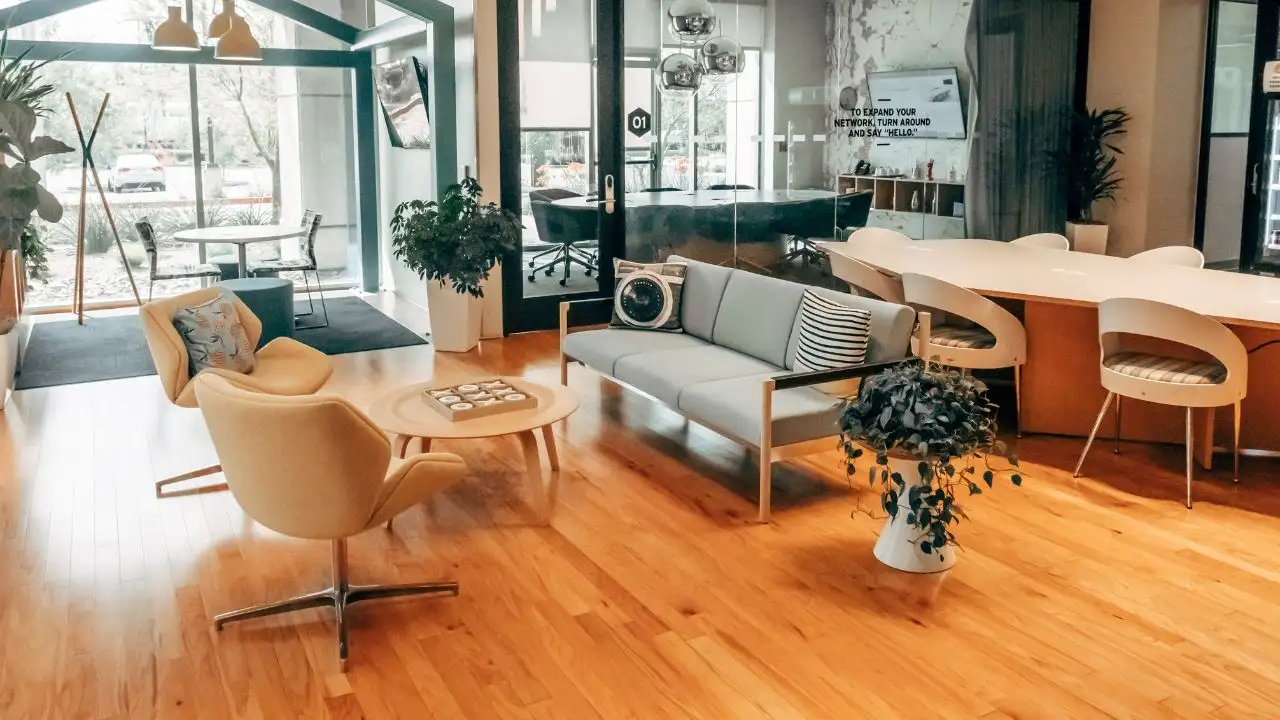
That is creating a new layer of space directly outside secure rooms. Instead of leaving it empty, designers are turning it into usable workplace areas.
The Space Outside Is Becoming the Workplace
What sits just beyond the secure perimeter is quickly becoming the most active part of the office.
Firms are adding lounges, pantries, and even gyms in these areas, giving workers a place to step out of highly controlled environments. Inside a SCIF, employees typically work in windowless rooms without access to personal devices. The space outside now serves as the only place to take a break, check a phone, or interact more freely.

This is less about luxury and more about function. If workers are required to leave secure rooms for basic needs, those areas have to support them.
Demand and Cost Are Altering the Market
At the same time, demand for secure space is rising.
The global SCIF market is projected to grow from $4.1 billion to $8.5 billion by 2034, with North America making up a large share. Government agencies and defense contractors are driving that demand, but the high cost and long build times are changing how deals get done.
In many cases, construction only begins after a contract is secured, creating long lead times. Some landlords are now building secure-ready spaces in advance, while others are exploring shared models where multiple users can access classified environments.
What It Means for the Future of Work
Even highly classified workplaces are being shaped by the same forces affecting the broader office sector.
Stricter rules are forcing physical changes, but those changes are also introducing more usable and flexible space. The result is a clearer separation between where sensitive work happens and where employees can step out, reset, and interact.
In a setting defined by control and restriction, the redesign is creating something new: space that finally acknowledges how people actually work inside it.