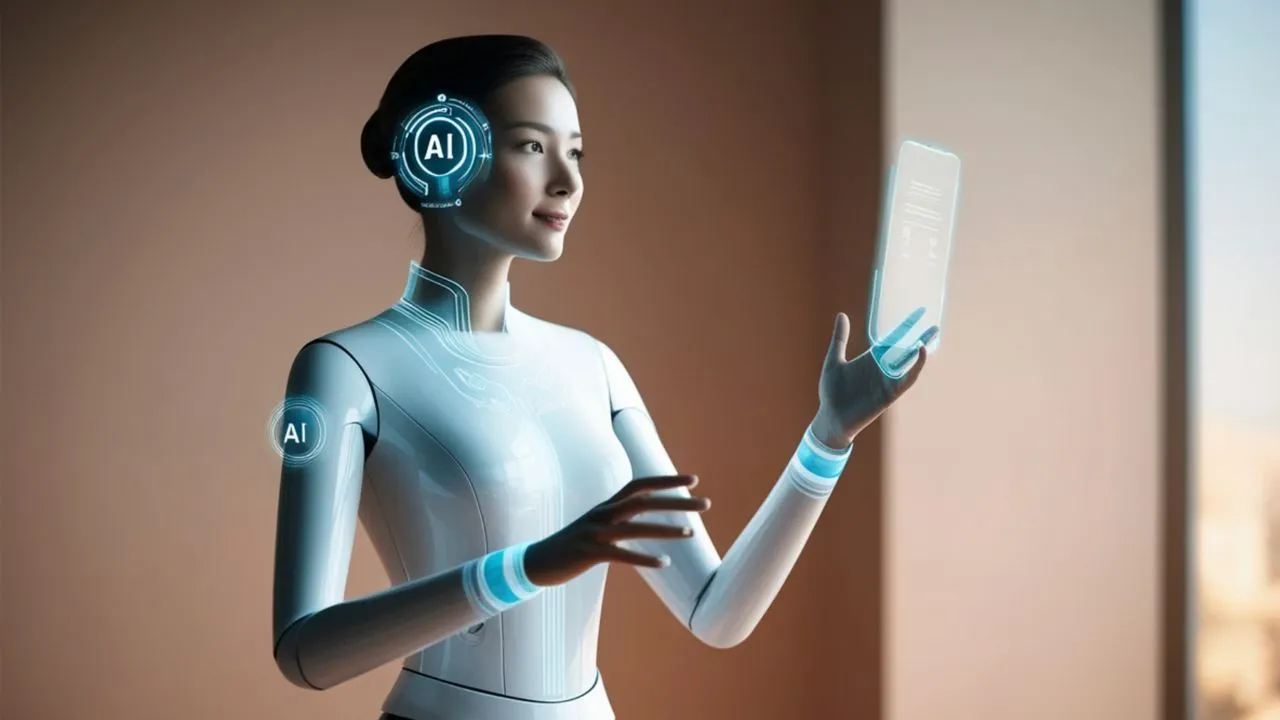
Hiring is increasingly being influenced by AI not just inside HR teams, but also by job seekers using the same tools to apply and prepare for roles.
A new global survey of hiring managers from HireVue shows AI has moved into daily hiring operations while candidates are using it to write, refine, and target applications at scale.

AI Now Runs Through the Full Hiring Process
AI is now used across most stages of hiring, including writing job descriptions, screening candidates, scheduling interviews, and supporting final decisions.
Usage is widespread among HR teams, with 77% reporting regular AI use in hiring workflows, and nearly half saying they use it every day. At the same time, only about 41% say they fully trust the systems they are using.

On the candidate side, AI use is also widespread. The report finds 71% of candidates use AI to write resumes, while many also use it to tailor applications, research employers, and prepare for interviews.
AI Moves from Tool to Core System
What began as limited testing has become part of standard hiring infrastructure.
AI is now embedded across the hiring lifecycle, from first contact with candidates through to final recommendations. Adoption has doubled over the past few years as organizations use automation and structured systems to handle higher application volumes and speed up decision-making.
Around 85% of HR departments either already use or plan to use generative AI, reflecting how quickly it has become part of routine hiring operations.
Trust Gap Emerges as Use Expands
While adoption is high, confidence is more uneven.
The report highlights concerns around bias in AI recommendations (46%), legal compliance (39%), and how candidates perceive AI-driven hiring decisions (39%).
This sits alongside a wider issue: large volumes of AI-generated applications that can be difficult to distinguish, adding pressure on hiring teams to validate skills beyond resumes.
Candidates Still Split on AI in Hiring
Candidates are also being evaluated in a system where AI is increasingly present at every stage.
HR leaders remain divided on how candidate use of AI should be viewed, with most seeing it as acceptable or “smart,” while a smaller but growing share view it as unfair.
Despite this, human interaction remains important. About 65% of candidates still prefer speaking with a person during the hiring process rather than interacting only with automated systems.
Hiring Outcomes Tied More Closely to Data
With AI embedded across workflows, hiring decisions are increasingly supported by structured data, assessments, and predictive systems rather than manual review alone.
The report suggests hiring is moving toward systems that rely more heavily on measurable signals of capability, as both employers and candidates continue using AI throughout the process.