Advertise With Us
Tuesday, May 5, 2026
Explore
Allwork.Space
No Result
View All Result
Newsletters
  • Latest News
  • Leadership
  • Work-life
  • Coworking
  • Design
  • Career Growth
  • Tech
  • Workforce
  • CRE
  • Business
  • Podcast
  • MoreNew
    • Urban DictionaryNew
    • Expert Voices
    • Daily Brief NewsletterNew
    • Weekly Brief NewsletterNew
    • Product RoundupsNew
    • Advertise With Us
    • Partner Portal
Allwork.Space logo
No Result
View All Result
Newsletters
Allwork.Space
No Result
View All Result
  • Home
  • News
  • Leadership
  • Work-life
  • Coworking
  • Design
  • Workforce
  • Tech
  • CRE
  • Business
  • Podcast
  • Career Growth
  • Newsletters
Advertisements
Stop Juggling Tools - Yardi Kube
Home News

Chinese Courts Rule Against AI-Driven Worker Firings

Two Chinese labor cases found that companies could not justify dismissals or steep pay cuts solely because work had been automated.

Allwork.Space News TeambyAllwork.Space News Team
May 5, 2026
in News, Uncategorized
Reading Time: 3 mins read
A A
Chinese Courts Rule Against AI-Driven Worker Firings

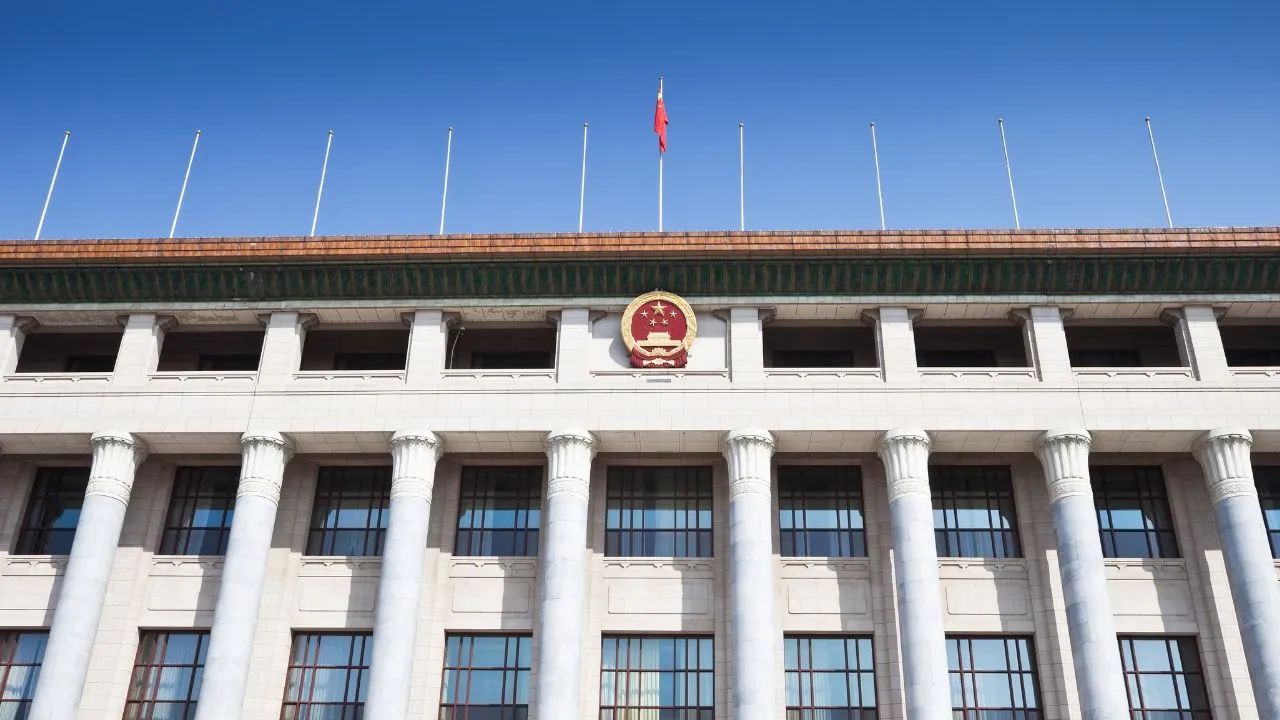
A Chinese court ruled that companies cannot use AI adoption alone to justify firing workers or cutting salaries.

As companies race to automate more work with AI, courts are beginning to face a difficult question: can employers legally replace workers with artificial intelligence and simply move on?

In China, recent labor rulings suggest the answer is becoming more complicated.

Advertisements
Your Partner in Virtual Office Growth - Alliance Virtual Offices

Two separate cases involving AI-related job displacement resulted in courts siding with workers after companies attempted to cut pay, restructure roles, or terminate employees following automation efforts.ย 

The decisions are drawing attention far beyond China because they touch on a growing future-of-work issue facing employers globally: who absorbs the cost of AI-driven transformation?

Advertisements
PrivacyPod

Chinese courts reject AI as automatic justification for dismissal

One of the highest-profile cases involved a worker in Hangzhou whose role in AI quality assurance became partially automated. After the company attempted to reassign him with a 40% salary reduction, the employee refused the pay cut and was later terminated, according to LinkedIn News.

Courts ultimately ruled the dismissal unlawful, arguing that a companyโ€™s decision to adopt AI did not qualify as an uncontrollable external event that justified ending a labor contract.

A similar ruling emerged in Beijing after a tech company eliminated a map data collection department following the adoption of AI-powered automation tools. Arbitrators and courts again sided with the worker, determining that automation was a business decision rather than an unforeseeable disruption, according to MR Online.ย 

The rulings reinforce an important distinction inside Chinaโ€™s labor framework: adopting AI may improve efficiency, but it does not automatically erase employer obligations to workers.

Advertisements
PrivacyPod

A growing debate over AI and labor protections

The decisions arrive as AI adoption accelerates across industries worldwide. Companies in technology, customer service, logistics, media, and administrative work are increasingly restructuring teams around automation tools and generative AI systems.

At the same time, governments and courts are starting to confront the social consequences of those changes.

The Hangzhou ruling may be a potentially significant signal for global employers, as courts may increasingly prioritize labor stability alongside innovation and efficiency.

The case also reflects larger concerns emerging from policymakers and business leaders about how quickly companies should automate large portions of workforces without transition plans, retraining, or reassignment opportunities.

Chinaโ€™s approach differs sharply from the United States

Chinaโ€™s labor system already places stronger limits on arbitrary dismissal than many Western labor markets. Courts in both recent cases emphasized that employers cannot simply transfer the risks and costs of technological transformation directly onto workers.

In the United States, employers generally face far fewer restrictions around AI-related restructuring.

While large layoffs may trigger notice requirements under federal law, there are currently no broad protections preventing companies from eliminating jobs due to automation or generative AI adoption. Most workers outside union environments have limited ability to challenge those decisions legally.

That difference is becoming increasingly relevant as companies openly discuss AI-driven productivity gains alongside workforce reductions.

Advertisements
PrivacyPod

The future of work may depend on how courts respond

The Chinese rulings do not block AI adoption, nor do they prevent companies from restructuring roles around new technology. Instead, they signal that courts may expect employers to handle automation transitions more carefully through reassignment, negotiation, retraining, or compensation.

As AI systems continue moving deeper into knowledge work, administrative tasks, and digital operations, questions around worker protections are likely to intensify globally.


Advertisements
Subscribe to the Future of Work Newsletter
Source: Lin
Tags: AIAsia-PacificProductivityWorkforce
Share5Tweet3Share1
Allwork.Space News Team

Allwork.Space News Team

The Allwork.Space News Team is a collective of experienced journalists, editors, and industry analysts dedicated to covering the ever-evolving world of work. Weโ€™re committed to delivering trusted, independent reporting on the topics that matter most to professionals navigating todayโ€™s changing workplace โ€” including remote work, flexible offices, coworking, workplace wellness, sustainability, commercial real estate, technology, and more.

Other Stories Recommended For You

Tips HR Teams Need To Better Support Neurodiversity Accommodation Requests During Return-To-Office Transitions
Workforce

Tips HR Teams Need To Better Support Neurodiversity Accommodation Requests During Return-To-Office Transitions

byTrevor Hardy
9 hours ago

RTO policies are driving more neurodiversity accommodation requests.

Read more
Distributed Work Insights for Success with Nadia Vatalidis, Tony Jamous, and Sophie Wade

Distributed Work: Insights for Success with Nadia Vatalidis, Tony Jamous, and Sophie Wade

11 hours ago
Zoom Bets $150,000 On Solopreneurs As AI Reshapes Traditional Careers

Zoom Bets $150,000 On Solopreneurs As AI Reshapes Traditional Careers

23 hours ago
CEO Pay Rose 20 Times Faster Than Worker Wages Last Year

CEO Pay Rose 20 Times Faster Than Worker Wages Last Year

23 hours ago
Advertisements
Nexudus - Is Your Space Performing?
Advertisements
Alliance Virtual Offices - Scale Big with One Platform

The Future of Work® Newsletter helps you understand how work is changing — without the noise.

Choose daily or weekly updates to stay current, and monthly editions to explore worklife, work environments, and leadership in depth.

Trusted by 22,000+ leaders and professionals.

2026 Allwork.Space News Corporation. Exploring the Future Of Work® since 2003. All Rights Reserved

Advertise  Submit Your Story   Newsletters   Privacy Policy   Terms Of Use   About Us   Contact   Submit a Press Release   Brand Pulse   Podcast   Events   

No Result
View All Result
  • Home
  • Latest News
  • Topics
    • Business
    • Leadership
    • Work-life
    • Workforce
    • Career Growth
    • Design
    • Tech
    • Coworking
    • Marketing
    • CRE
  • Podcast
  • Urban Dictionary
  • About Us
  • Advertise | Media Kit
  • Submit Your Story
Newsletters

Welcome Back!

Login to your account below

Forgotten Password?

Retrieve your password

Please enter your username or email address to reset your password.

Log In
This website uses cookies. By continuing to use this website you are giving consent to cookies being used. Visit our Privacy and Cookie Policy.
-
00:00
00:00

Queue

Update Required Flash plugin
-
00:00
00:00