The Class of 2026 is entering a job market showing early signs of improvement after two years of limited hiring. Employers expect to increase new graduate hiring by 5.6% compared with last year, as companies strengthen talent pipelines and prepare for workforce transitions.
However, opportunities remain uneven. AI skills are becoming increasingly important, with more than one-third of entry-level roles now requiring AI capabilities, while unemployment among recent graduates remains elevated in many areas, according to a new report by Coworking Cafe.

Major Cities Continue to Offer Opportunity
Large metropolitan areas remain attractive for graduates seeking higher salaries and access to diverse industries. Atlanta retained the top spot among large cities for the second consecutive year, supported by lower youth unemployment, strong graduate incomes and a growing professional ecosystem.
San Francisco moved into second place as graduate job availability and earnings improved, although youth unemployment also increased. Seattle climbed to third due to growth in entry-level professional roles and strong employer health coverage, while Washington, D.C. fell to fourth after federal workforce cuts contributed to an 8% youth unemployment rate.

Mid-Sized Cities Deliver a Balance of Jobs and Affordability
Mid-sized cities recorded some of the strongest gains in the rankings. Arlington, Virginia remained the highest-ranked city in this category, while Alexandria saw one of the biggest improvements thanks to rising incomes and higher educational attainment.
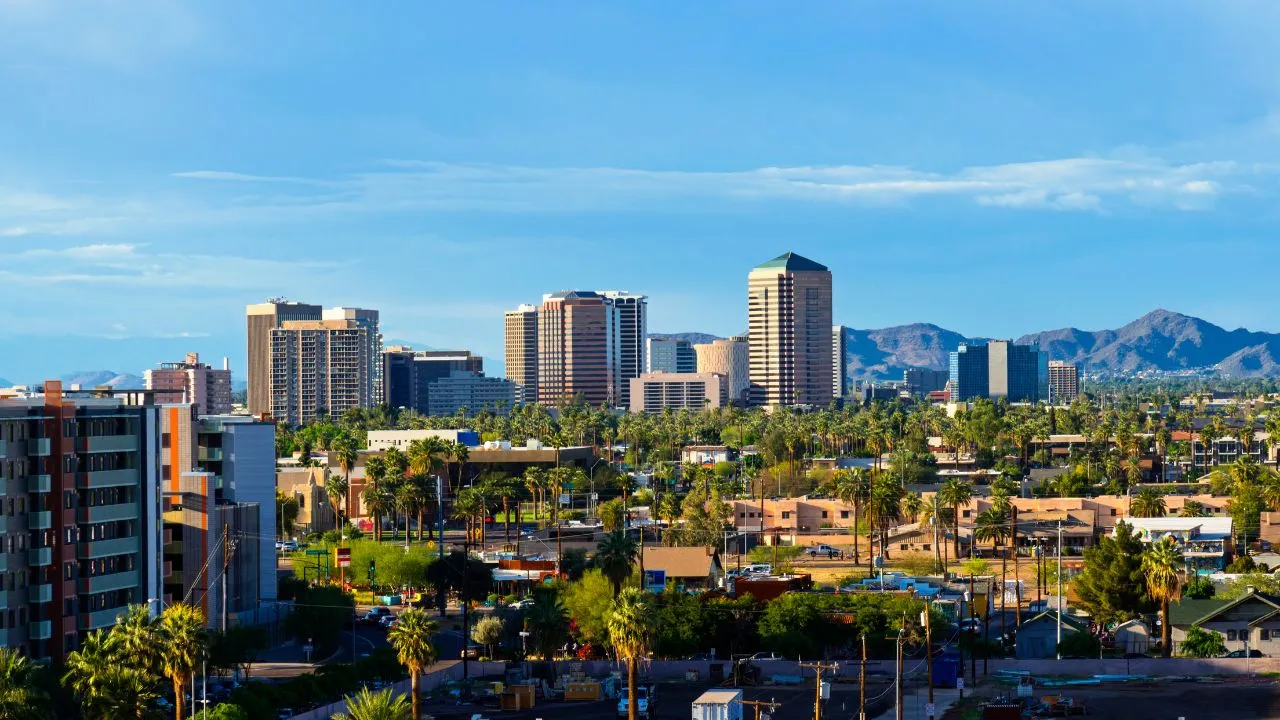
Scottsdale, Arizona also posted significant gains, driven by a sharp decline in youth unemployment and broader job growth across the Phoenix region. Other high-performing mid-sized cities included Bellevue, Washington; Overland Park, Kansas; and St. Louis, Missouri, which combined strong employment indicators with lifestyle advantages.
Smaller Cities Emerge as Unexpected Winners
Several smaller cities climbed the rankings by combining affordable living costs with improving career prospects. Cambridge, Massachusetts led the small-city category with strong graduate employment and low unemployment.
Peoria, Illinois and Richardson, Texas were among the biggest movers, both climbing more than 10 positions due to rising incomes, lower unemployment and expanding economic investment. Springfield, Illinois and Ann Arbor, Michigan also remained competitive due to strong graduate job availability and education-driven economies.
Cost of Living Is Becoming a Bigger Factor
The findings suggest graduates are increasingly finding opportunities beyond traditional career hubs. While cities such as San Francisco continue to offer some of the highest salaries, many smaller and mid-sized markets are becoming more competitive by offering lower costs of living, improving job markets and growing amenities.
The rankings evaluated cities within their own size categories using employment opportunities, graduate earnings, affordability, employer health coverage, leisure amenities and coworking availability. Data was sourced from the U.S. Census Bureau, Bureau of Labor Statistics, Bureau of Economic Analysis and SSI coworking market data.