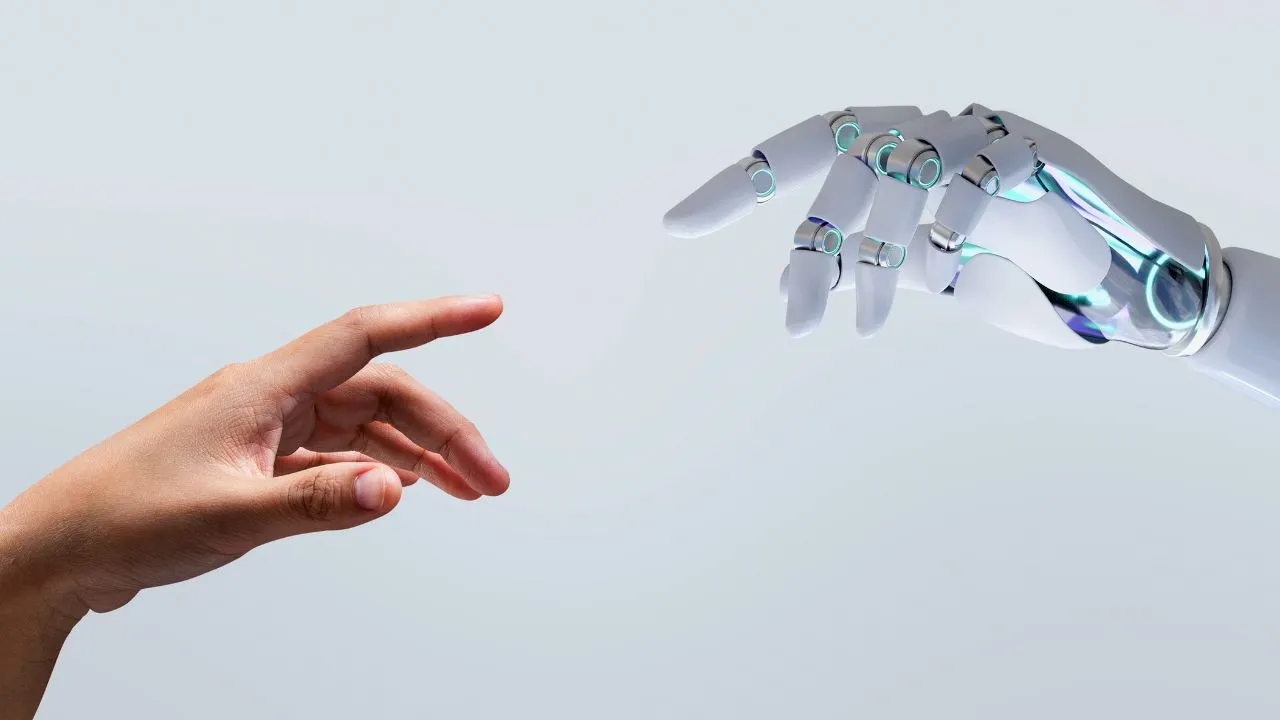
Artificial intelligence has been named the most influential workplace innovation shaping the future of business, marking 300 years since the emergence of the modern office, according to a new IWG report.
Among global CEOs surveyed, 36% identified AI as the most impactful office innovation, narrowly ahead of laptops and tablets (35%). Video conferencing, Wi-Fi and Bluetooth connectivity, and hybrid working rounded out the top innovations transforming the way people work, according to Architecture and Design.

The 2020s Become the Most Transformative Era for Offices
The report identifies the current decade as the most significant period of workplace change in office history, fueled by the quick rise of AI, automation, and hybrid work. The 1990s ranked second, reflecting the impact of the internet, email, and personal computing.
AI was also ranked as the technology delivering the biggest productivity improvements, with 35% of CEOs crediting it with the greatest impact. Overall, 83% said recent workplace innovations have benefited their organizations by improving efficiency, collaboration, and how work gets done.

Hybrid Work Remains One of the Biggest Changes to Office Life
While technology dominated the rankings, hybrid work emerged as the most significant transition in workplace culture. More than one in four CEOs (26%) ranked hybrid work among the most influential changes in the history of the office, while 35% said technology now enables employees to work effectively from almost anywhere.
Separate research in Australia shows the move toward flexibility remains strong. Nearly eight in 10 hybrid workers prefer flexible working arrangements, and 93% consider access to professional workspaces closer to home an important factor when choosing an employer.
Workers with access to local workspaces also reported benefits including lower commuting costs, improved work-life balance, and better overall wellbeing.
The Office’s Next Chapter Is Defined by Technology and Flexibility
Three centuries after the opening of the first purpose-built office building in London, the workplace continues to adapt to new technologies and changing employee expectations.
The latest findings suggest the future office will be influenced not only by AI-driven productivity tools but also by greater flexibility in where and how employees work, with technology making distributed work a long-term feature of modern business.