



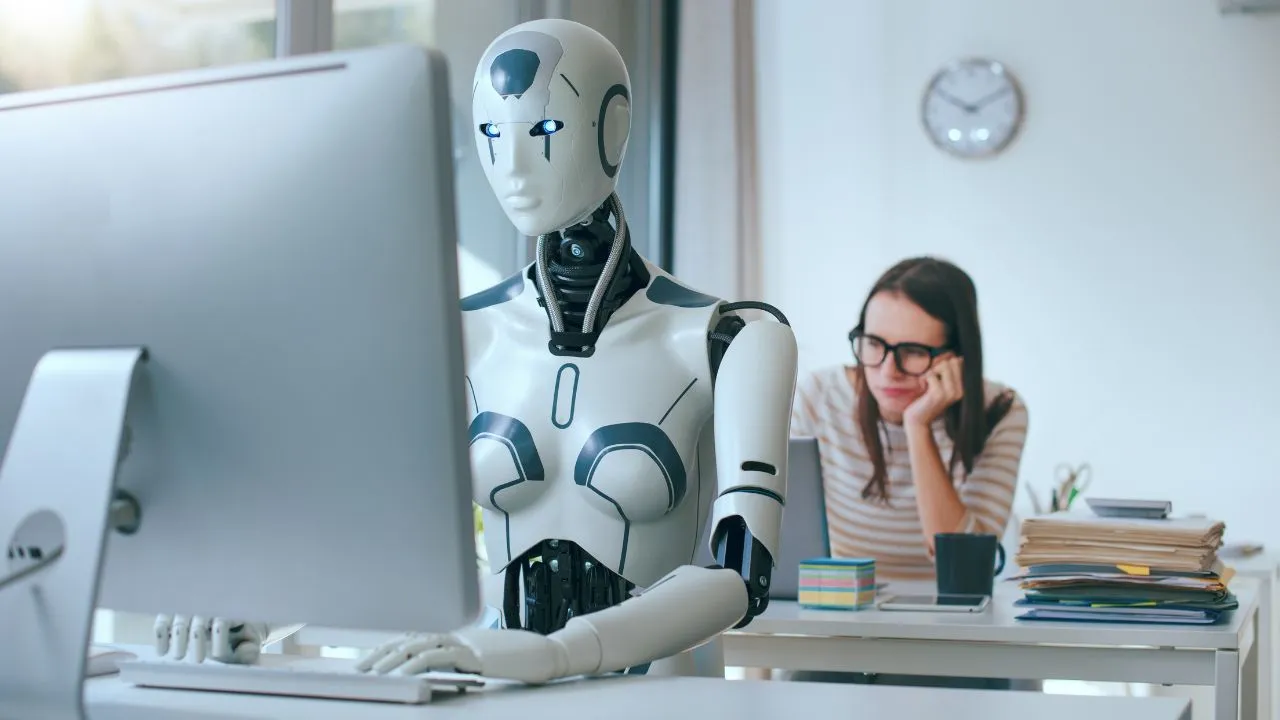
Artificial intelligence is now being used across most occupations, but it has yet to become the job-replacing technology many workers fear, according to Google’s new Activity, Task, Landscape and Adoption Study (ATLAS).
The research analyzed nearly 15 million anonymized interactions with Gemini across 150 countries and found AI activity spanning 70% of occupations, representing about 90% of U.S. employment.

Despite that broad reach, AI’s role remains relatively limited. On average, workers use AI for just 21% of the tasks within their jobs, while fewer than 10% of interactions involved automating non-routine cognitive work.
AI Is Supporting Work More Than Replacing It
The findings suggest most employees are using AI as a workplace assistant rather than handing over entire responsibilities.

Common uses include researching information, drafting documents, refining ideas, troubleshooting problems, and learning new skills. The results align with previous research from OpenAI and Anthropic, which also found AI is primarily augmenting work rather than replacing workers, though Anthropic reported somewhat higher levels of automation.
Higher-Paid Workers Lead Adoption
AI use remains uneven across the labor market. Google found workers in higher-paying occupations use AI more frequently, with every 1% increase in an occupation’s median earnings associated with a 2.68% increase in AI usage.
However, researchers also found broader adoption among skilled trades than expected. Electricians, automotive technicians, and other blue-collar workers are increasingly using multimodal AI tools that combine text with images and video to solve practical problems on the job.
Most AI Conversations Still Happen Outside Work
While workplace adoption continues to grow, the majority of Gemini activity remains personal rather than professional.

Google found that 86% of conversations were unrelated to work, with users relying on AI for everyday tasks such as cooking, cleaning, and navigating government services.
The company notes the findings may understate workplace automation because the study did not include business-focused products such as Gemini Enterprise or Google Workspace, where AI may be used differently.
For now, the research suggests AI is becoming a common workplace tool across industries, but its primary role remains helping employees complete portions of their jobs rather than replacing them outright.