


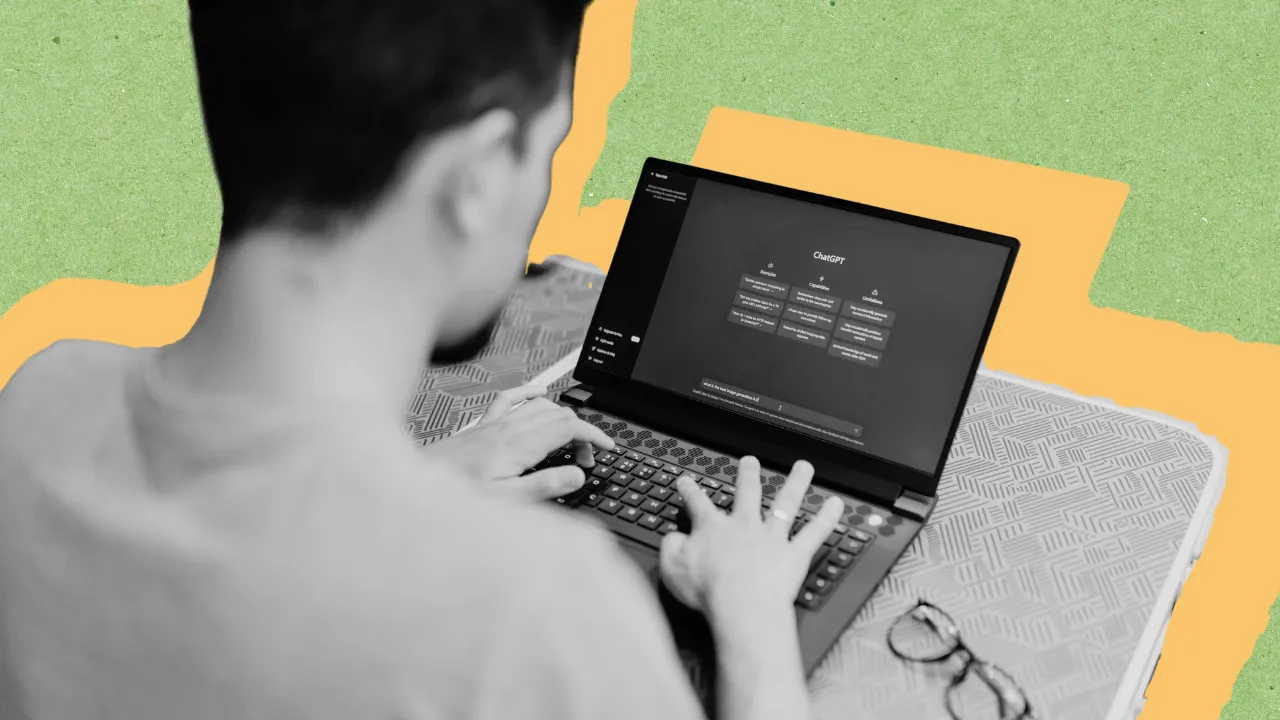
AI skills are becoming a new source of workplace advantage, and some employees are keeping their most effective techniques to themselves.
A Use.AI survey of 13,000+ adults across the U.S., U.K., Canada, Australia, the European Union and Latin America found that 62% of regular workplace AI users believe being significantly better at using AI gives an employee a meaningful advantage over coworkers with similar responsibilities.

For some workers, that advantage is worth protecting.
38% Are Hiding Their Best AI Techniques
Thirty-eight percent of regular workplace AI users said they had deliberately kept an AI prompt, workflow or technique to themselves because sharing it could reduce their personal advantage.

Among those who had withheld an AI technique, 44% said they did not want coworkers to gain the same productivity advantage. Another 31% said they had spent time learning the technique and did not feel obligated to give that advantage to others.
Faster Work Can Create A New Problem
AI can help employees finish tasks faster, but some workers are concerned about what happens when that speed becomes visible.
Forty-one percent of regular workplace AI users said they had worried that if coworkers or managers knew how quickly AI helped them complete a task, they would eventually be expected to work at that pace all the time.
That can create an incentive to keep the process behind a faster result private. An employee may benefit from completing work more quickly while avoiding disclosure of how much time AI saved.
Employees were also more likely to hide AI use from coworkers than managers. Thirty-six percent said they had concealed their AI use from colleagues, compared with 21% who said they had hidden it from a manager.
AI Knowledge May Not Spread Even When Tools Do
The findings create a challenge for companies that want AI productivity gains to spread across teams. Giving employees access to the same AI tools does not mean they will have the same ability to use them effectively. The most valuable knowledge may come from individual experimentation with prompts, workflows and ways of incorporating AI into specific tasks.
But if those techniques increase an employee’s relative value, sharing them can feel like giving coworkers the same advantage while potentially raising expectations for the person who discovered them.
For employers, that creates a question around how AI-related knowledge sharing is rewarded. If employees see little personal benefit from giving away techniques that took time to develop, companies may have difficulty turning individual AI expertise into shared team capability.