


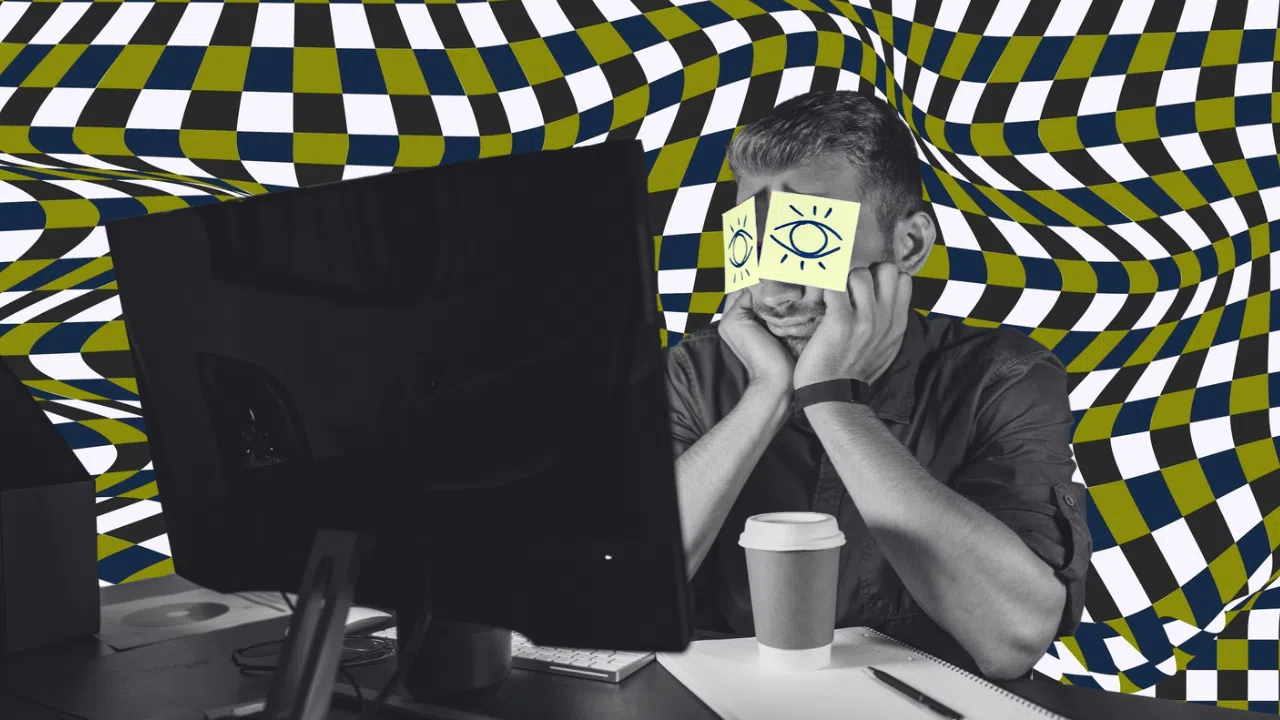
LONDON, 25 November 2026 – From scheduling emails outside working hours to keeping a spreadsheet open in case a colleague walks by, employees across the U.K. are finding ways to manage how busy they appear at work, both remotely and in the office.
According to LiveCareer U.K.’s Workplace Visibility Report 2026, among U.K. employees for whom remote work applies, 81% have used at least one tactic to appear active or busy online. Half (50%) have scheduled emails to go out early in the morning or late at night, 47% have moved their mouse or used mouse-jiggling software to stay “active” on workplace platforms, and 42% have joined a meeting on mute while doing something else.

In the office, the tactics look different. Among employees for whom in-person work applies, 39% have hidden in a phone booth or meeting room for a private call, 39% have spent extended time on “educational” browsing such as reading news or articles, 37% have taken extended coffee breaks, and 30% have kept a spreadsheet or document open in case someone walks by.
At the same time, U.K. employees report feeling significantly more self-conscious about handling personal matters when working from home. More than one-third (35%) say working remotely is where they experience the most guilt or anxiety when handling personal tasks during the workday – nearly double the 18% who say they experience the most guilt or anxiety in the office.

Yet heavier surveillance may create its own problems. Fifty-eight percent say strict, minute-by-minute monitoring of their digital activity would make them feel more stressed, 46% say it would make them feel less trusted by their employer, and 29% say they would consider looking for another job – while 14% report they already experience strict monitoring.
“Looking busy at work isn’t new, but the signals employees manage have changed,” said Dr. Jasmine Escalera, career expert at LiveCareer. “A green status light, a strategically timed email, or an open spreadsheet may create the appearance of activity without telling an employer much about the quality of someone’s work. Employers should be careful not to confuse visibility with performance.”
Key Findings
- 4 in 5 U.K. remote workers use tactics to appear busy online: 81% of remote workers have used at least one tactic, led by scheduling out-of-hours emails (50%) and using mouse jigglers or moving their mouse (47%).
- Office workers have their own visibility habits: 39% have used a phone booth or meeting room for a private call, 39% have spent longer reading news or articles, and 30% have kept a spreadsheet or document open in case someone walks by.
- Employees feel nearly twice as guilty at home as in the office: 35% experience the most guilt or anxiety when handling personal tasks while working remotely, compared with 18% in the office.
- 58% say minute-by-minute digital monitoring would increase their stress: 46% say it would make them feel less trusted, and 29% would consider looking for another job.
- 14% already face strict monitoring: More than 1 in 8 U.K. respondents say their company already strictly monitors every minute of their digital activity.
U.K. Remote Workers Manage Their Digital Presence
Among employees for whom remote work applies:
- 50% have scheduled emails to go out early in the morning or late at night
- 47% have moved their mouse or used mouse-jiggling software to remain “active” on Slack, Teams, or similar platforms
- 42% have joined a meeting on mute simply to “be there” while doing something else
- 32% have kept a shared spreadsheet or document open
- 20% have blocked out chunks of calendar time as “Focus Time” or “Deep Work”
19% say they have never used any of these tactics.
In-Person Employees Have Their Own Playbook
Among employees for whom in-person work applies:
- 39% have hidden in a phone booth or meeting room for a private call
- 39% have spent longer on “educational” browsing, such as reading news or articles
- 37% have taken extended coffee breaks
- 30% have blocked calendar time as focus work
- 30% have kept a spreadsheet or document open in case someone walks by
- 18% have left a jacket on their chair or a coffee mug on their desk
- 14% have taken the “long way” to the bathroom or kitchen to stretch the time
13% say they have used none of these tactics or do not take these kinds of breaks.
Employees Feel More Self-Conscious About Personal Tasks at Home
More than one-third of U.K. employees (35%) say they experience the most guilt or anxiety about handling personal tasks while working remotely – nearly double the 18% who experience the most guilt or anxiety while in the office. Another 39% feel it equally in both settings, while 8% say they feel it in neither.
More Monitoring Could Add Stress Without Solving the Visibility Problem
When asked how they would feel if their company strictly monitored every minute of their digital activity:
- 58% say they would feel more stressed
- 46% say they would feel less trusted by their employer
- 29% say they would consider looking for another job
- 24% say it would not significantly affect them
- 14% say they already experience strict monitoring
The findings reveal that digital tools can make it easier to see when someone appears online or active, but employees can also manage many of those signals. More intensive tracking may therefore provide greater visibility without necessarily providing a clearer picture of actual performance, while risking higher stress and staff turnover.
For employers, the more useful question may not be whether employees appear active every minute, but whether the measures being used actually reflect the quality and results of their work.
To view the full report, please visit https://www.livecareer.co.uk/career-advice/workplace-visibility-report or contact Olga Knapinska at [email protected].
Methodology
The findings in this report are based on a June 2026 survey of 500 employed adults from the UK. Respondents answered a mix of single-select and multiple-select questions about workplace visibility, tactics used to appear busy or available while working remotely and in person, feelings of guilt or anxiety when handling personal tasks, and attitudes toward strict digital monitoring by employers.
About LiveCareer UK
LiveCareer UK’s online CV builder is designed to empower its users to get better jobs and improve their job search. A one-stop shop among AI CV builder tools, LiveCareer features cutting-edge CV templates, a powerful cover letter builder, and extensive free career resources to support job candidates in reaching their professional goals. Used by over 28 million job seekers around the world, LiveCareer’s career tips have been featured in The Times, Forbes, or Newsweek. Follow LiveCareer UK as a preferred source in Google to receive more workforce trends, career insights, and labour market research in your personalised search experience.