



With the dynamics of economic pressures and the rapid integration of artificial intelligence, leaders are expecting their employees to do more with less. AI is enhancing the speed of how some organizations get work done. Yet, three out of four employees report that AI automation tools have actually increased their workload and manager expectations rather than saving them time, according to HR Dive.
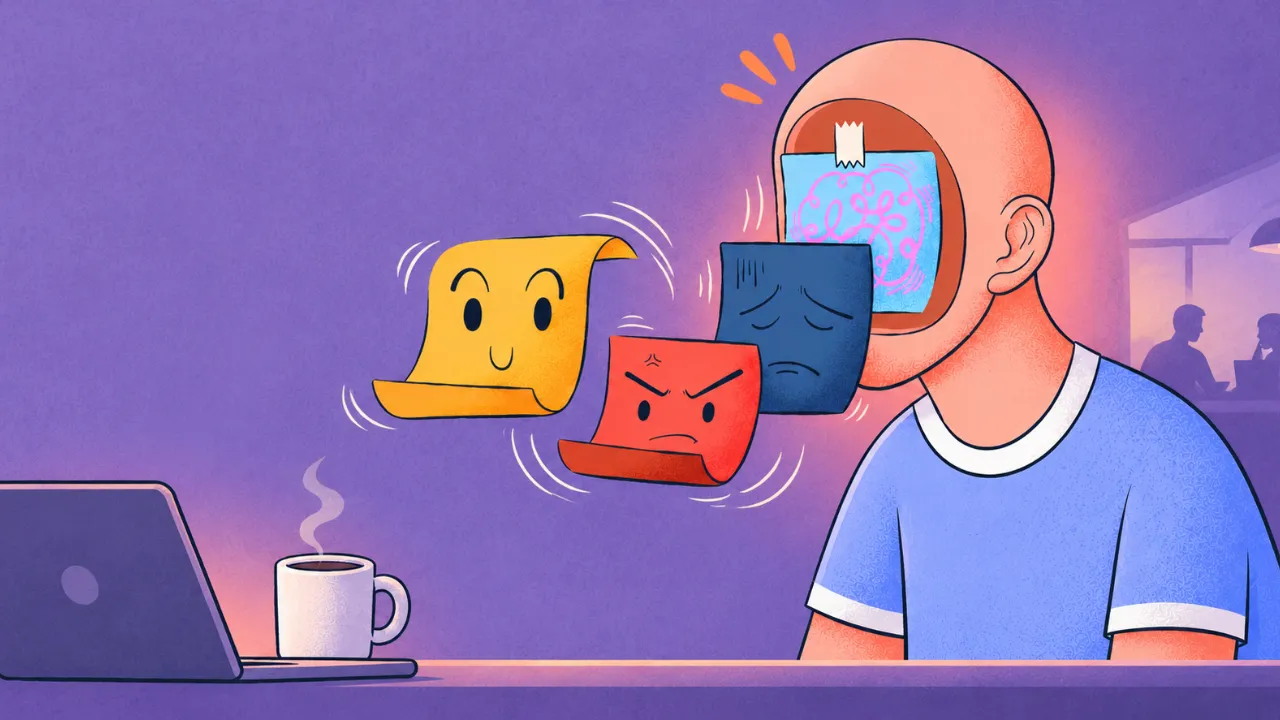
Consequently, the benefits of AI come with hidden costs for organizations. As workloads and expectations rise, employees may feel increasingly overwhelmed and stressed, and there is a heightened risk of them feeling burnt out. When these conditions exist, psychological safety is low and many hesitate to voice their concerns. Instead, they work longer and harder, presenting their behavior as ambitious and showing a commitment or passion for their work.

The lack of psychological safety can generate fears, worries, doubts and concerns often without employees consciously recognizing these feelings. More-so, leaders may interpret those observable efforts positively as long as employees continue to deliver strong results, overlooking the emotions like fear and strain driving them
Throughout my career, I have seen how these pressures can manifest in the workplace. It looks like employees responding to emails late in the evening, leaders do less delegating and high performers push themselves beyond reasonable limits and believe their continued employment depends on doing everything asked of them.
The question we should ask ourselves as employees is: What is really driving my actions? As leaders, we should connect with our employees to ask how they are really doing.
When Fear is Underneath the Work We are Doing
Fear is a natural human response when psychological safety is absent. When we perceive a threat, whether real or imagined our minds automatically shift into a fight, flight or freeze mode prompting actions we believe will keep us safe no matter the actions we take and implications.
In the workspace, the threat might be losing a job, becoming irrelevant, disappointing a leader, or being perceived as someone who is not contributing enough.
This issue is not experiencing fear. It is ignoring it and allowing fear to dedicate our actions without recognizing its negative influence. Instead, we should take time to acknowledge our emotions and respond with greater self-awareness and emotional intelligence. A review of research on emotional intelligence, leadership, and work teams underscores the value of recognizing and regulating emotions rather than allowing them to unconsciously shape behaviors.
Additionally, fear is data. It does tell us something about what matters to us, what we perceive as a need to keep ourselves safe and where we may need to act. However, when we treat fear like data, we are accepting edits and we can assess it to respond more intentionally.
Two powerful questions to ask yourself as a leader:
Have I asked employees how they’re really doing, and how can I create an environment where they feel safe enough to tell me the truth?
To uncover hidden emotions, leaders should go beyond asking, “How are you doing” and create opportunities for meaningful conversations about workload, job security, and well-being. Equally important is listening without judgement, acknowledging concerns, and taking action. Employees need to know that there is no risk with expressing their feelings constructively. Or asking for support will not be perceived as a lack of commitment or capability. Employees should also be informed and reminded about the actions you have taken because of their feedback.
Have I created an environment where employees feel safe raising concerns and empowered to work autonomously?
When employees fear consequences for raising problems, challenging decisions, or making independent judgements, they may remain silent, seek unnecessary approvals, or take on questionable expectations. Leaders must create an environment where employees name challenges, remove barriers, and make decisions within clear expectations. Empowering employees can reduce stress and burnout which can strengthen organizational outcomes.
A couple of meaningful questions for employees:
Is there evidence I need to work more, or am I making that assumption?
Has my leader told me to do more? Have expectations changed? Has my leader communicated concerns about my performance? Have I asked for feedback? Or am I responding to what I assume will happen to me?
What can I do today that will better prepare me for tomorrow?
Instead of just doing, consider how you can execute the most meaningful actions that are innovative. Focus on how to create a positive impact to establish future opportunities.
A New Path for Responding to Fear
Pausing to prevent reactive actions is essential. Research by Sonnertag and Fritz suggest that stepping back from work, both mentally and behaviorally is an important part of recovery, while failing to detach can contribute to strain and burnout.
Workers need a new path beyond fight, flight and freeze. One that is intended to be practiced over and over, forming a thoughtful brain pattern response to fear.
Pausing creates the space to apply the 3EaseTM Fear Transformation Model and Method:
- Engage by acknowledging the fear and pressure you are feeling,
- Explore the assumptions and narratives driving your response or more positive narratives,
- Execute by choosing learnings and taking intentional actions aligned with your goals and well-being.
The Path for the Leaders and Organizations
In today’s environmental environment doing more with less may be necessary but it should never become a strategy that sacrifices the well-being of others.
The hidden harm is not simply more work; it is the fear, anxiety and uncertainty that can develop. Leaders and organizations should instead acknowledge emotions in the workplace, find effective ways to address the emotions and create better work conditions.
As we prepare for the future of work, the goal should not be how much more work can be done or how much more technology can we use. We must challenge ourselves to how we can design more human-centric work solutions empowering contribute meaningfully and create environments where people thrive.
The greatest harm of doing more may not be what organizations lose today, but what they risk tomorrow, which includes low trust, fleeting talent, minimal creativity, and less commitment from their people.