No Result
View All Result
Allwork.Space
Future of Work
Explore Newsletters
  • Latest News
  • Leadership
  • Work-life
  • Coworking
  • Design
  • Career Growth
  • Tech
  • Workforce
  • CRE
  • Business
  • 🗣️Expert Voices
  • 🛒Product Reviews
  • 🌎Coworking Spotlights
  • 🎙️The Future Of Work Podcast
  • 🔎The Future of Work Urban Dictionary
Allwork.Space logo
Future of Work
No Result
View All Result
Explore Newsletters
Allwork.Space
  • Home
  • News
  • Leadership
  • Work-life
  • Coworking
  • Design
  • Workforce
  • Tech
  • CRE
  • Business
  • Podcast
  • Career Growth
  • Newsletters
Advertisements
Home News

WEF Expects 23% of Jobs Will Change by 2027 Because of AI and Economic Trends

The WEF’s latest report stresses the importance of reskilling and job transitions to adapt to changes driven by AI, automation, and economic shifts.

Dominic CatacorabyDominic Catacora
September 24, 2024
in News
Reading Time: 2 mins read
A A
WEF Expects 23% of Jobs Will Change by 2027 Because of AI and Economic Trends

New research shows that workers’ ability to transition into emerging roles will be a key factor in determining whether they experience success or fall behind in the future of work.  

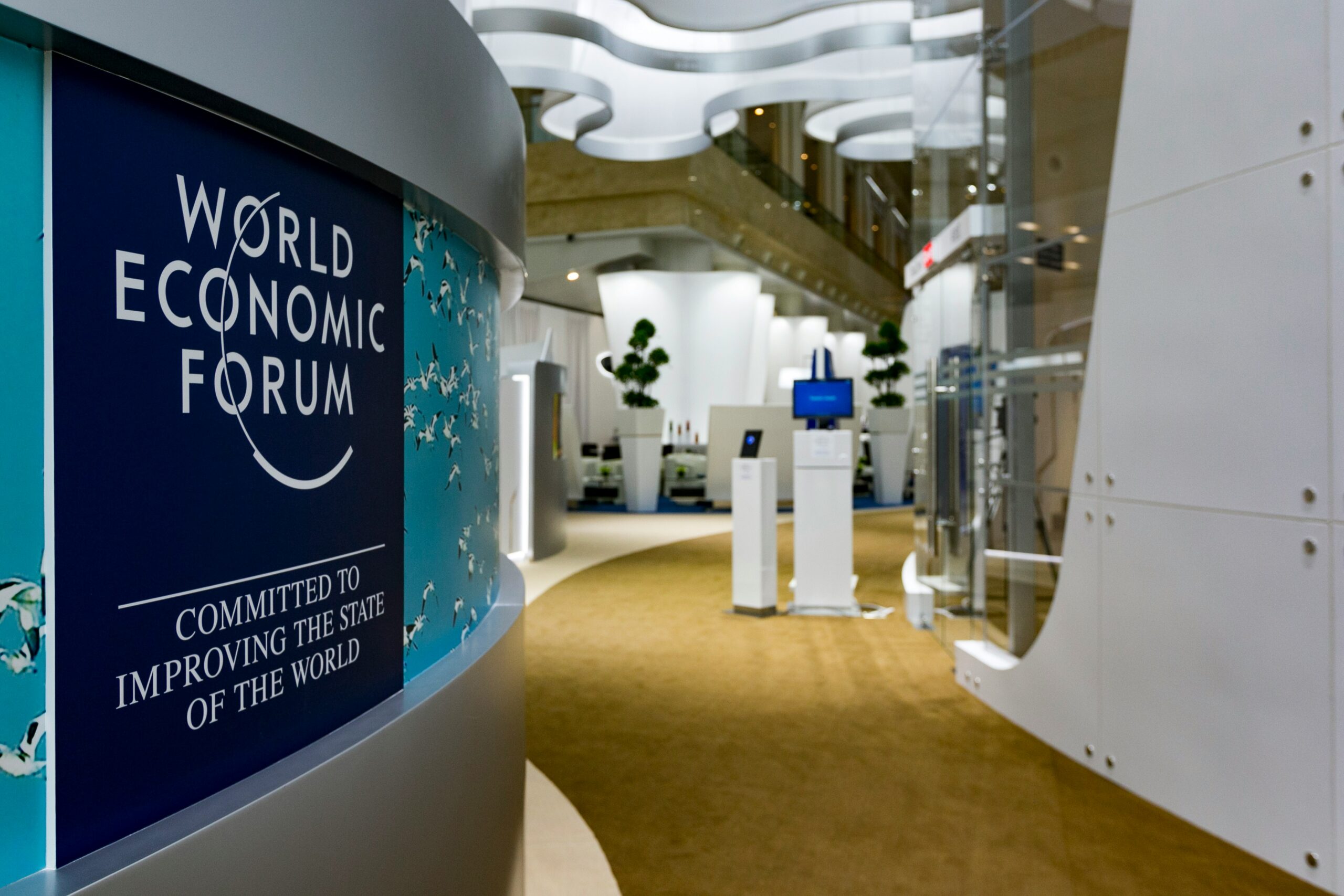
The World Economic Forum’s (WEF) latest white paper, “A Global Framework for Enabling Transitions to the Jobs of Tomorrow,” examines how trends in technology, the economy, and climate change are disrupting the global labor market, and making job transitions more critical than ever.  

Advertisements

The research reveals nearly a quarter (23%) of all jobs will change by 2027 — primarily driven by advancements in artificial intelligence (AI) and automation. An estimated 69 million new roles are expected to be created and 83 million displaced. 

To address these challenges the report highlights four key pillars essential for effective job transitions across the global workforce: reskilling and upskilling, improving employee-employer matching, ensuring worker safety nets, and multistakeholder collaboration to break through industry barriers. 

Advertisements

Perhaps the most important pillar is reskilling and upskilling efforts. WEF predicts that 44% of job skills required in any given job will be transformed over a five-year period. This means that jobs will increasingly depend on continuous learning, with workers needing to adapt quickly to new skill demands to stay competitive in the labor market. 

The WEF study also identified three key workforce trends that are influencing the labor market. First, there is a sharp rise in transitions into digital and Information and Communications Technology (ICT) roles. Second, transitions into healthcare and human-centric jobs are growing rapidly, especially in high-income economies with aging populations. Third, business services, such as sales and customer service, are becoming increasingly important as companies adopt new business models. 

Economies that invest in areas like upskilling and improved job matching will better align labor supply with demand, which will help reduce unemployment rates and help workers secure higher paying. 

Advertisements
Source: LinkedIn
Tags: AICareer GrowthWorkforce
Share98Tweet62Share17
Dominic Catacora

Dominic Catacora

Dominic Catacora is a Staff Writer for Allwork.space. He is based in Pittsburgh, PA. He graduated from Radford University in 2017 with a Bachelor of Science degree in Media Studies - Journalism. He has previously covered the Historic Triangle as a journalist living in Williamsburg, Va, and is now focused on writing related to the future of work.

Other Stories Recommended For You

The Biggest Barrier To Better AI Results May Be Your Ego
Tech

The Biggest Barrier To Better AI Results May Be Your Ego

byDr. Gleb Tsipursky
2 days ago

AI helps most when workers know the limits of their own judgment.

Read more
Trump Administration Shifts From Workforce Cuts To Recruiting Thousands Of New Federal Employees

Trump Administration Shifts From Workforce Cuts To Recruiting Thousands Of New Federal Employees

3 days ago
LinkedIn's AI Slop Button Won't Learn Our Standards. It'll Learn Our Biases.

LinkedIn’s “AI Slop” Button Won’t Learn Our Standards. It’ll Learn Our Biases.

3 days ago
GitLab’s Former Workplace Strategy Leader Reveals Why Remote Teams Need An “Invisible Skyscraper”

GitLab’s Former Workplace Strategy Leader Reveals Why Remote Teams Need An “Invisible Skyscraper”

3 days ago
Advertisements
Advertisements

The Future of Work® Newsletter helps you understand how work is changing — without the noise.

Choose daily or weekly updates to stay current, and monthly editions to explore worklife, work environments, and leadership in depth.

Trusted by 22,000+ leaders and professionals.

2026 Allwork.Space News Corporation. Exploring the Future Of Work® since 2003. All Rights Reserved

Advertise  Submit Your Story   Newsletters   Privacy Policy   Terms Of Use   About Us   Contact   Submit a Press Release   Brand Pulse   Podcast   Events   

No Result
View All Result
  • Home
  • Latest News
  • Topics
    • Business
    • Leadership
    • Work-life
    • Workforce
    • Career Growth
    • Design
    • Tech
    • Coworking
    • Marketing
    • CRE
  • Podcast
  • Urban Dictionary
  • About Us
  • Advertise | Media Kit
  • Submit Your Story
Newsletters

Welcome Back!

Login to your account below

Forgotten Password?

Retrieve your password

Please enter your username or email address to reset your password.

Log In
This website uses cookies. By continuing to use this website you are giving consent to cookies being used. Visit our Privacy and Cookie Policy.
-
00:00
00:00

Queue

Update Required Flash plugin
-
00:00
00:00