
- Senator Mike Lee’s bill to ban pornography could impact millions of workers in the adult content sector, causing widespread job loss and financial instability.
- The ban may harm innovation, as the adult industry has been a testing ground for new tech like secure payments and AI tools that benefit other sectors.
- While some may be liberated from forced work, the bill could also push many workers into unregulated environments, increasing exploitation and unsafe conditions.
- This decision would impact not only the adult industry, but also shape how digital workers across the country think about creative freedom, economic opportunity, and long-term career viability.
A new bill introduced by Senator Mike Lee, the Interstate Obscenity Definition Act (IODA), is generating attention for its aim to federally ban pornography by redefining what qualifies as obscene, according to Newsweek.
While much of the public conversation has focused on morality, the First Amendment, or internet regulation, the potential effects on the American workforce deserve closer examination.

How Much of the American Workforce Will be Impacted if Pornography Gets Banned?
If passed, this legislation would criminalize much of the adult content currently created and distributed online. The economic consequences of that move would be immediate and widespread, affecting hundreds of thousands of people across multiple industries.
The adult entertainment sector in the United States supports a large and complex labor ecosystem. Just on adult video platform OnlyFans alone, 2 million Americans are content creators. This doesn’t even include the larger pornography industry.

This industry of course includes performers and content creators, but also software developers, digital marketers, web designers, cybersecurity specialists, customer support teams, and AI engineers who build the platforms and tools that keep the industry operational and secure.
This work increasingly takes place within digital marketplaces. Many content creators operate independently on platforms such as OnlyFans, ManyVids, and Fansly, using a subscription-based model that allows them to monetize their content directly.
These platforms have provided a path to financial stability for people often underserved by traditional job markets — including women, LGBTQ+ individuals, people with disabilities, and those with limited access to conventional employment options.
The Implications of a Porn Ban are Extensive
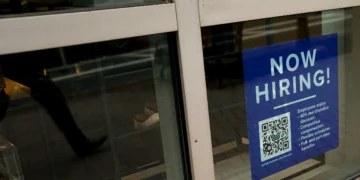
If IODA becomes law, many of these platforms would either shut down or radically change their business models. Workers who depend on them would lose their income streams with little advance notice. Since most of these roles are freelance, self-managed, or independent, there would be no severance pay, unemployment benefits, or safety net.
Tens of thousands of individuals would suddenly find themselves without a reliable source of income or a clear path to transition into another field.
The consequences extend well beyond content creation; technology companies that provide hosting, payment processing, data analytics, and AI moderation for adult platforms would also be affected. Many of these firms rely on long-term contracts or recurring clients within the adult sector.
The result would be widespread job loss in sectors that support online content delivery and security.
A crackdown at the federal level would force them to either cut ties or lose business entirely. The result would be widespread job loss in sectors that support online content delivery and security.
While some companies and individuals may choose to relocate to countries where adult content remains legal, U.S.-based workers could still face legal consequences under IODA, even if they operate through international platforms. For many, leaving the country is not a practical option.
This means a large segment of the online workforce could be pushed out of legal and regulated environments, increasing the risk of exploitation, financial instability, and unsafe working conditions.
The Ban May Harm Innovation
There are also implications for innovation. The adult entertainment industry has long played a role in driving advancements in technology. From secure payment systems to video streaming and AI moderation tools, it has served as a testing ground for digital products that later reach mainstream industries.
Removing this sector from the U.S. economy would mean the loss of a key environment where developers, designers, and data scientists test new ideas and build skills that often carry over into other industries.
This proposed legislation arrives at a time when digital work is becoming increasingly common.
People are building careers online through a range of services, from content creation to virtual assistance, coding, consulting, and e-commerce. The adult content economy is part of this economy — showing how workers create value, build audiences, manage payments, and handle marketing without going through traditional corporate structures.
By enforcing criminal penalties on those participating in this type of labor, the bill would redefine what kinds of digital work are considered legitimate. This decision would impact not only the adult industry, but also shape how digital workers across the country think about creative freedom, economic opportunity, and long-term career viability.
The American workforce is changing in real time. People are turning to online tools, platforms, and communities to earn a living in ways that didn’t exist a generation ago. The adult entertainment industry, while often controversial, has become a part of that reality.
Any decision that removes it from the legal economy will impact real workers, many of whom rely on this industry as their primary or only source of income.
Could a Ban Liberate Sex Workers From Forced Work?
But there is another side to this: if a ban is imposed, some adult creators may actually be liberated from this type of work.

This proposed ban could give some people (mainly women) a way out of the adult industry, especially those who feel trapped by economic pressures or external coercion. By criminalizing adult content, lawmakers may unintentionally empower women or men to leave an industry they entered out of necessity, offering them alternatives to porn without sacrificing income. Such a move could theoretically open doors for women to explore other online work, like tech, content creation, or entrepreneurship, without facing the stigma or risks associated with adult content.
For women who feel forced into explicit work, this ban might finally give them the chance to reclaim their lives and careers outside of the shadows of the adult entertainment industry.
As Congress debates the IODA, lawmakers will need to consider not only the legal and moral dimensions of the bill, but also its human impact, as it concerns real jobs, real income, and real people who have built their livelihoods in a legal, regulated, and increasingly visible part of the digital economy.