
No Result
View All Result
Advertise With Us
Allwork.Space
Explore Newsletters
  • Latest News
  • Leadership
  • Work-life
  • Coworking
  • Design
  • Career Growth
  • Tech
  • Workforce
  • CRE
  • Business
  • 🗣️Expert Voices
  • 🛒Product Reviews
  • 🌎Coworking Spotlights
  • 🎙️The Future Of Work Podcast
  • 🔎The Future of Work Urban Dictionary
Allwork.Space logo
No Result
View All Result
Explore Newsletters
Allwork.Space
  • Home
  • News
  • Leadership
  • Work-life
  • Coworking
  • Design
  • Workforce
  • Tech
  • CRE
  • Business
  • Podcast
  • Career Growth
  • Newsletters
Advertisements
Home Business

How Companies Should Respond To Deepfake Disinformation In A Crisis: Lessons From Astronomer’s Fake Apology

First a viral scandal, then a fake public apology. Astronomer CEO’s Coldplay concert fallout shows why corporate communications crisis plans must now include a deepfake response strategy. Here’s how to craft one.

Edward SegalbyEdward Segal
July 24, 2025
in Business
Reading Time: 3 mins read
A A
How Companies Should Respond To Deepfake Disinformation In A Crisis Lessons From Astronomer’s Fake Apology

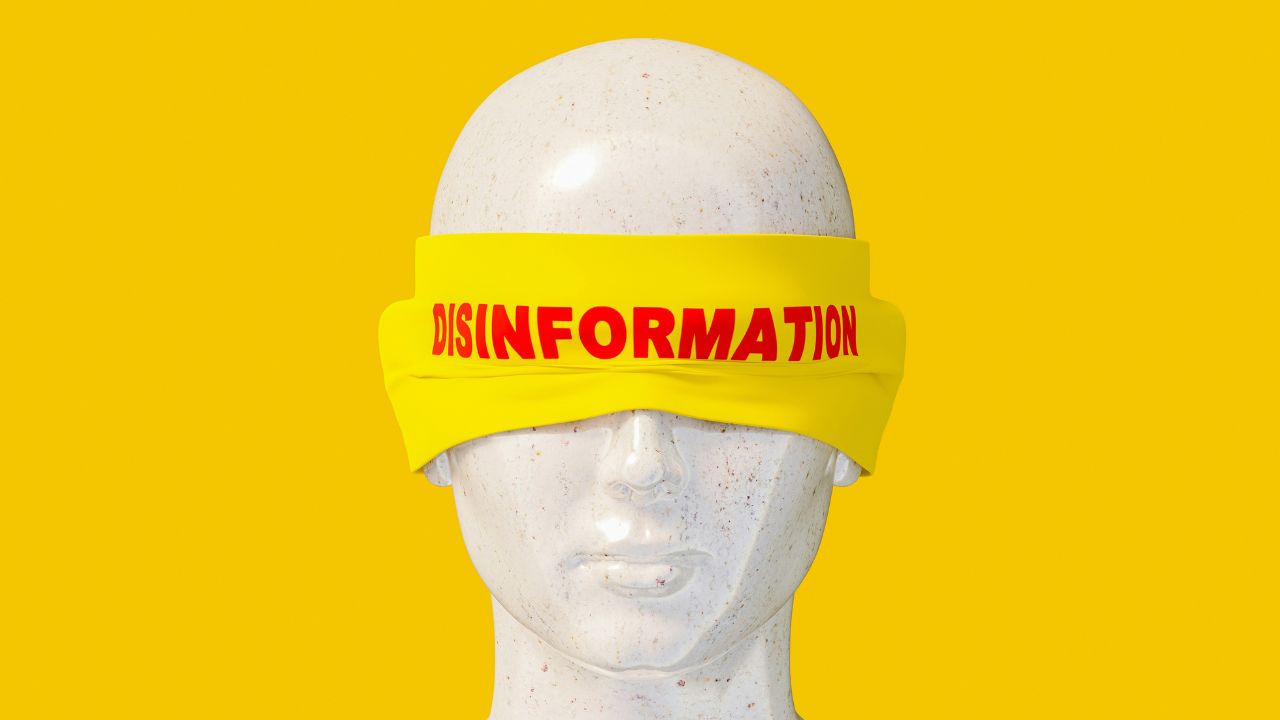
Astronomer, a data analytics company, faced a crisis made worse by a viral fake apology falsely attributed to its CEO, showing the growing threat of disinformation and the need for companies to prepare for such digital hoaxes.

Responding to an unfolding corporate crisis can be challenging and difficult enough for companies without having to deal with the added burden of combating disinformation about the situation. But that is exactly what happened to Astronomer, a data analytics company, that found itself caught up in a headline-making crisis it did not create. 

Its CEO was seen on a giant screen embracing a woman who was not his wife during a Coldplay concert in Massachusetts. The images of the couple, who quickly turned away from the camera, went viral. 

Advertisements

Byron was identified in the images that tens of millions of people around the world saw via social media and news reports. In the aftermath of many crises, it is not unusual for those involved to apologize and express remorse for their actions, which is why no one was surprised when an apology attributed to the CEO was posted on X a day after the concert.

But it was soon discovered that the apology was a fake. According to a statement issued by Astronomer, Byron had not issued the apology, the BBC reported. 

Advertisements

It is an unfortunate reality of the digital age that deepfakes are getting more sophisticated and anyone can post anything about anybody at any time and appear on some social media platforms to be someone they are not. 

The good news is that there are several best practices organizations can follow when people post falsified apologies about a crisis. The sooner this type of hoax is dealt with, the better, so it does not siphon off corporate resources that should be focused on the crisis itself. 

Crisis Response Best Practices To Address Disinformation Threats 

Prepare 

Update company crisis management plans to account for the possibility of fake apologies being issued on behalf of your company, its officers, and other officials. Test the organization’s responses to fake apologies on a regular basis when conducting worst-case crisis scenario exercises and simulations. 

Policies And Procedures 

Based on the following recommendations, have policies and procedures in place so that employees and executives will know what to do in response to fake statements. Review the procedures with executives and staff on a regular basis and include them when onboarding new employees. 

Advertisements

Monitor  

Have a member of your staff or a consultant pay close attention to what is being said in real time about your company and the crisis on social media platforms and by news outlets. 

Notify 

Take steps to ensure that company officials will be immediately notified if someone posts or issues a fake apology or statement, or one is reported by the media. 

Respond 

As soon as the officials are notified about the fake apology, seek to set the record straight right away. That means using all available communication channels and methods to deny the disinformation, including posting the denial on social media platforms, websites, email messages, and press releases. Share the denial with employees, customers, vendors, and other stakeholders. 

Follow-up 

Continue to check social media and media outlets to ensure that the company’s denials about the fake apology or statement are being reported accurately. As needed, issue another round of corrections or denials until you confirm they are being included on social media and news reports. 

Keep Paying Attention 

Pay attention to how other companies and organizations respond to falsified apologies or deepfake crises. What can you learn from what they did and how they did it, and how would you apply those lessons? 

The fake apology that was attributed to Byron was not a one-off incident. The proliferation of disinformation such as deepfakes is a trend that is likely to continue and worsen. That is why the sooner companies are equipped to deal with fake apologies and other hoaxes, the better.


Advertisements
Tags: BusinessExpert VoicesLeadershipTechnology
Share14Tweet9Share2
Edward Segal

Edward Segal

Edward Segal is a leading crisis management and public relations expert and author of the forthcoming The Crisis Casebook: Lessons in Crisis Management from The World’s Leading Brands.

Other Stories Recommended For You

What CEOs Get Wrong When Talking About Layoffs And AI
Leadership

What CEOs Get Wrong When Talking About Layoffs And AI

byDavid Grossman
20 hours ago

Layoff messaging shapes employee trust long after the cuts end.

Read more
OpenAI Challenges Claude Cowork With "Cheaper" ChatGPT Work Agent For Non-Coders

OpenAI Challenges Claude Cowork With “Cheaper” ChatGPT Work Agent For Non-Coders

1 day ago
JLL Executive Explains How To Revive The Forgotten Workforce

JLL Executive Explains How To Revive The Forgotten Workforce

2 days ago
Lies About Success That Are Burning Out High-Achieving Women

Lies About Success That Are Burning Out High-Achieving Women

2 days ago
Advertisements
Workspace Geek - Coworking Management Made Simple
Advertisements

The Future of Work® Newsletter helps you understand how work is changing — without the noise.

Choose daily or weekly updates to stay current, and monthly editions to explore worklife, work environments, and leadership in depth.

Trusted by 22,000+ leaders and professionals.

2026 Allwork.Space News Corporation. Exploring the Future Of Work® since 2003. All Rights Reserved

Advertise  Submit Your Story   Newsletters   Privacy Policy   Terms Of Use   About Us   Contact   Submit a Press Release   Brand Pulse   Podcast   Events   

No Result
View All Result
  • Home
  • Latest News
  • Topics
    • Business
    • Leadership
    • Work-life
    • Workforce
    • Career Growth
    • Design
    • Tech
    • Coworking
    • Marketing
    • CRE
  • Podcast
  • Urban Dictionary
  • About Us
  • Advertise | Media Kit
  • Submit Your Story
Newsletters

Welcome Back!

Login to your account below

Forgotten Password?

Retrieve your password

Please enter your username or email address to reset your password.

Log In
Advertisements
×
The newsletter for people responsible for how others work & shaping what’s next.
Advertisements
×The newsletter for people responsible for how others work & shaping what’s next.
This website uses cookies. By continuing to use this website you are giving consent to cookies being used. Visit our Privacy and Cookie Policy.
-
00:00
00:00

Queue

Update Required Flash plugin
-
00:00
00:00