


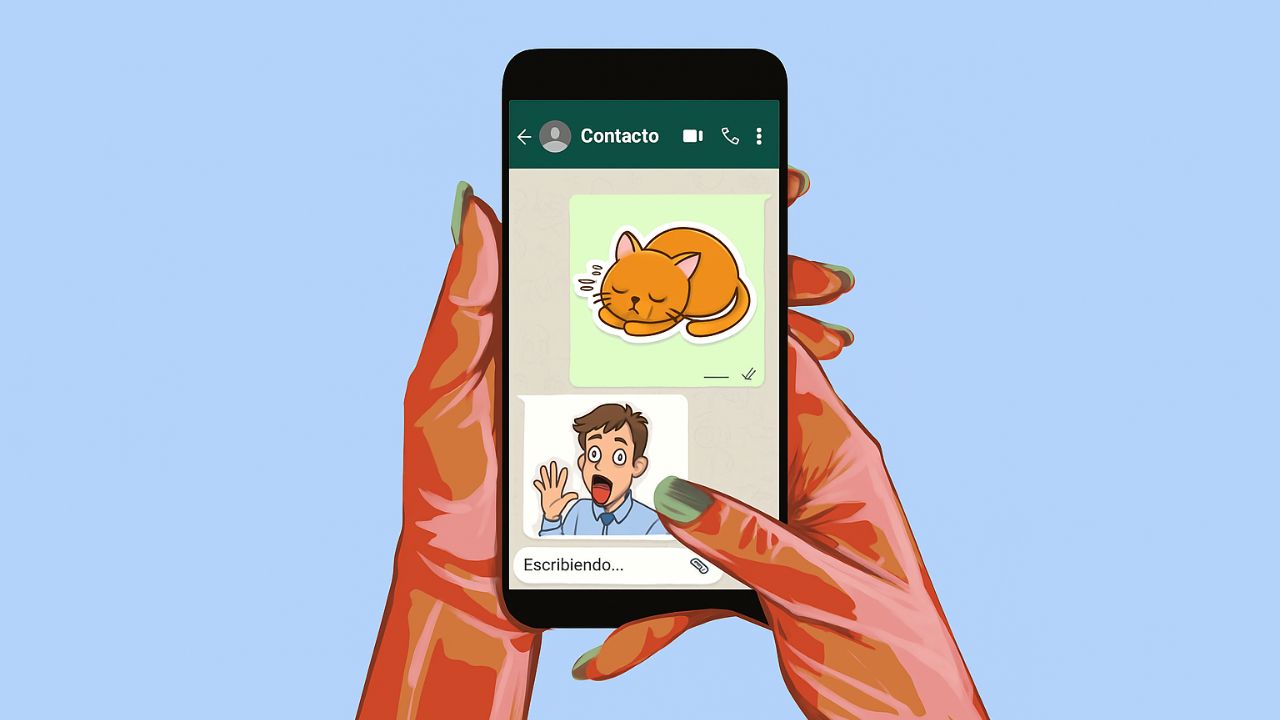
Can turning your coworker into a WhatsApp sticker get you in trouble at work?
In Mexico, yes — and it’s more than just a punchline.

Earlier this month, as reported by El Heraldo de México, Mexico’s Secretariat of Labor and Social Welfare (STPS) announced that using a coworker’s image without permission — even for a meme or sticker — can be considered workplace harassment.
Under Article 133 of the Federal Labor Law, such actions are recognized as creating a hostile or humiliating environment, and employers are obligated to prevent them.

At first glance, it might sound like bureaucracy overreach…until you realize how deeply digital communication now shapes workplace behavior.
According to the latest data, 93% of internet users in Mexico use WhatsApp, making it not just a personal tool but the default communication platform for millions of professionals.
And as our work lives increasingly unfold through chats, emojis, and memes, lines between friendly banter and harassment are getting blurry everywhere.
When Humor Turns Into Harassment
In Mexican culture, humor is social currency; quick, sarcastic, and often self-deprecating.

Mocking, teasing, and turning colleagues into jokes have long been part of how teams bond and survive stressful environments.
But what happens when that culture collides with digital permanence?
A single sticker — once sent — can live forever, reshared in other groups, taken out of context, and used to ridicule.
This isn’t theoretical.
According to Mexico’s National Survey on Discrimination (ENADIS 2022), 23.7% of adults reported experiencing discrimination between July 2021 and September 2022 — and workplace harassment remains one of the most common forms.
In 2022, INEGI also recorded more than 109,000 job resignations linked to psychological mistreatment or harassment, or about 12 per hour.
And as more of those experiences shift into digital channels, the legal definition of “the workplace” is expanding to include everything from Slack threads to WhatsApp groups.
A Sign of the Times
Mexico’s policy might sound culturally specific, but it reflects a global shift toward digital accountability at work.

The EU Cross-Sectoral Guidelines on Violence and Harassment at Work” guidelines explicitly cover digital spaces, while Japan and the U.K. have introduced similar guidelines recognizing online harassment as a workplace offense.
Meanwhile, Microsoft’s Work Trend Index found that 78% of Gen Z employees consider “respectful digital communication” a key factor in job satisfaction.
What Mexico is doing (whether intentionally or not) is establishing a legal precedent for the digital age, where workplace culture no longer stops at the office door (or chat window).
Redefining Respect
What’s most fascinating isn’t just the rule itself, but what it reveals: a country known for its dark humor and resilient spirit is beginning to redraw the line between camaraderie and cruelty.

Respect is evolving.
It’s no longer just about titles, tone, or physical behavior, but rather about how we show up in digital spaces, how we use someone’s image, and whether we remember that behind every sticker, meme, or message, there’s a real person.
Mexico’s decision isn’t a ban on laughter, but a call for empathy.
And as work becomes increasingly hybrid, global, and digital, it’s a reminder that humor, like power, comes with responsibility.
The future of work will be emotionally intelligent.