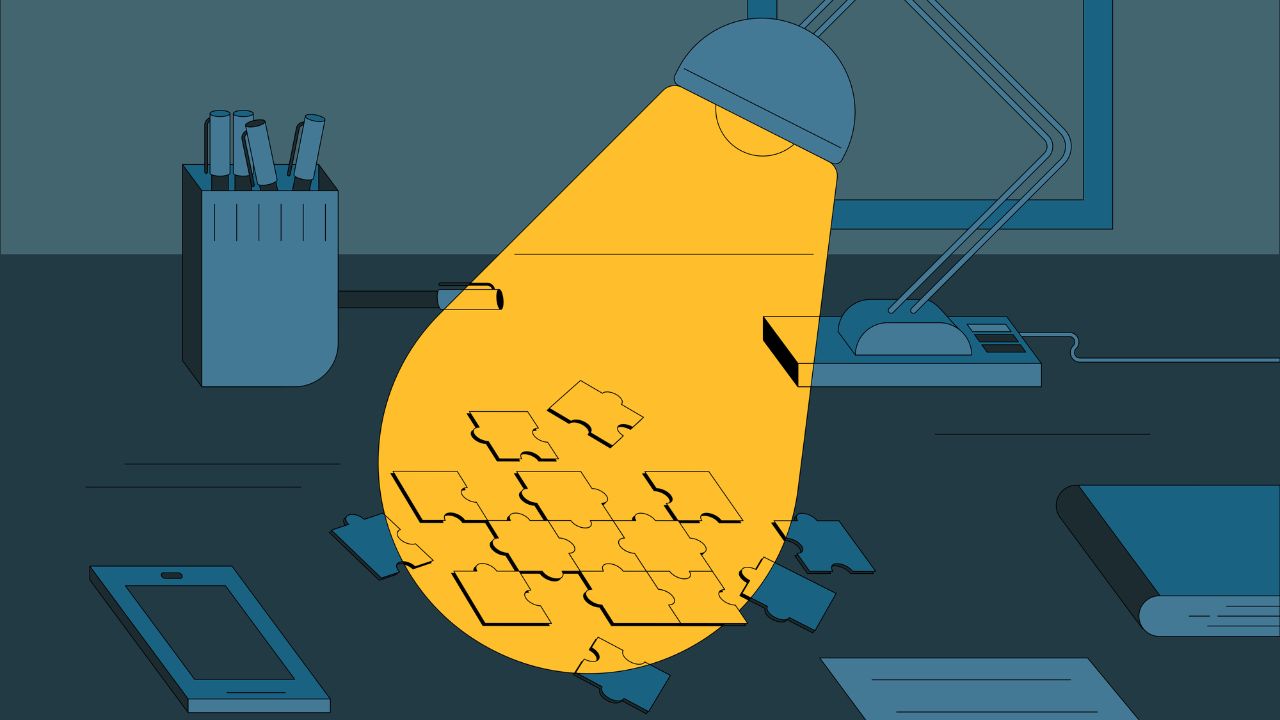
As AI takes on more of the work we used to do ourselves, hands and minds, it’s leaving behind quiet gaps where constant busyness used to reside. The once-full workday is being dismantled and our traditional full-time job structure is unraveling.
When tasks vanish, there’s often a scramble to refill the void. Companies stretch job descriptions or invent new duties to maintain a sense of productivity.

Employees feel pressure to stay visibly busy.
Leaders wonder if performance is slipping.
Organizations become uneasy about losing momentum.
We’re all engaged in a reflexive effort to preserve the shape of the job, even when the workload no longer justifies it.
But the real question we should be asking is whether we’re protecting the form of work or its purpose. The fact that AI is removing low-value tasks doesn’t necessarily mean it is diminishing human value.
Instead of worrying about doing less, we should be focused on doing less of what doesn’t matter and more of what does. That’s what the future of less work is all about.
Reframing Work: From Tasks to Meaning
Most of today’s job structures are still rooted in the old industrial model. Bosses assign. Teams complete. Managers track throughput. So the knee-jerk reaction to AI is often to see it as just another productivity tool, something to help us race through the same task list, only faster.
But AI isn’t just a time-saver. It gives us back the room to think. It demands we engage the deeper capabilities that define us as human: contextual thinking, emotional discernment, creative ideation, and outcome-focused decision-making.
Dr. Tatyana Mamut, economic anthropologist and CEO of Wayfound, calls the digital grind “inhuman work.” In a conversation for The Future of Less Work, she noted that “AI agents take away the inhuman work and allow the humans to focus on their human talents.”
Without step-by-step instructions, people must choose what’s worth their time. This encourages attention on the bigger questions: What’s the real issue to solve? Who needs to collaborate? Where’s the untapped opportunity? How do we improve this for the future?
The focus shifts from output to outcome. From completing directives to defining direction. From ticking boxes to adding unique value.
The Rise of the Internal Creator Economy
The creator economy outside the corporate walls has shown us what’s possible when people are given freedom, tools, and platforms — they create.
That same spirit is now flowing into established organizations.
Once AI manages the foundational tasks, the remaining work becomes uniquely human: interpreting complexity, generating original thought, connecting people and ideas, making ethical choices, crafting narratives, and offering strategic foresight.
Where employees once followed orders, they now generate value. Mamut points out that “we’re able to pull ourselves out of that, pull our minds out of that, have a greater bird’s-eye view over what we’re doing and why we’re doing it. And it feels like we’re co-creators of what our company is doing, not just order takers.”
This is the heart of the internal creator economy: intelligent systems and human thinkers working in tandem, with humans providing direction, integration, and imagination.
Here, value doesn’t stem from command chains, but from networks of contributors offering judgment, insight, and bold ideas.
This AI enabled future isn’t about working less. It’s about working differently.
Work, Reimagined for the AI Era
As work grows more imaginative and self-guided, leadershiphip must adapt. Leaders need to provide clarity, vision, and trust.
Creativity thrives when barriers are removed and people are encouraged to explore, rather than double down on outdated processes. Autonomy becomes the new framework. Thoughtfulness becomes the yardstick. Curiosity becomes the engine.
That’s the opportunity behind a future of “less work.” It’s a world where your most talented people stay because they choose to, because your organization gives them a path to align personal meaning with professional output.
That’s the kind of future of work worth designing.