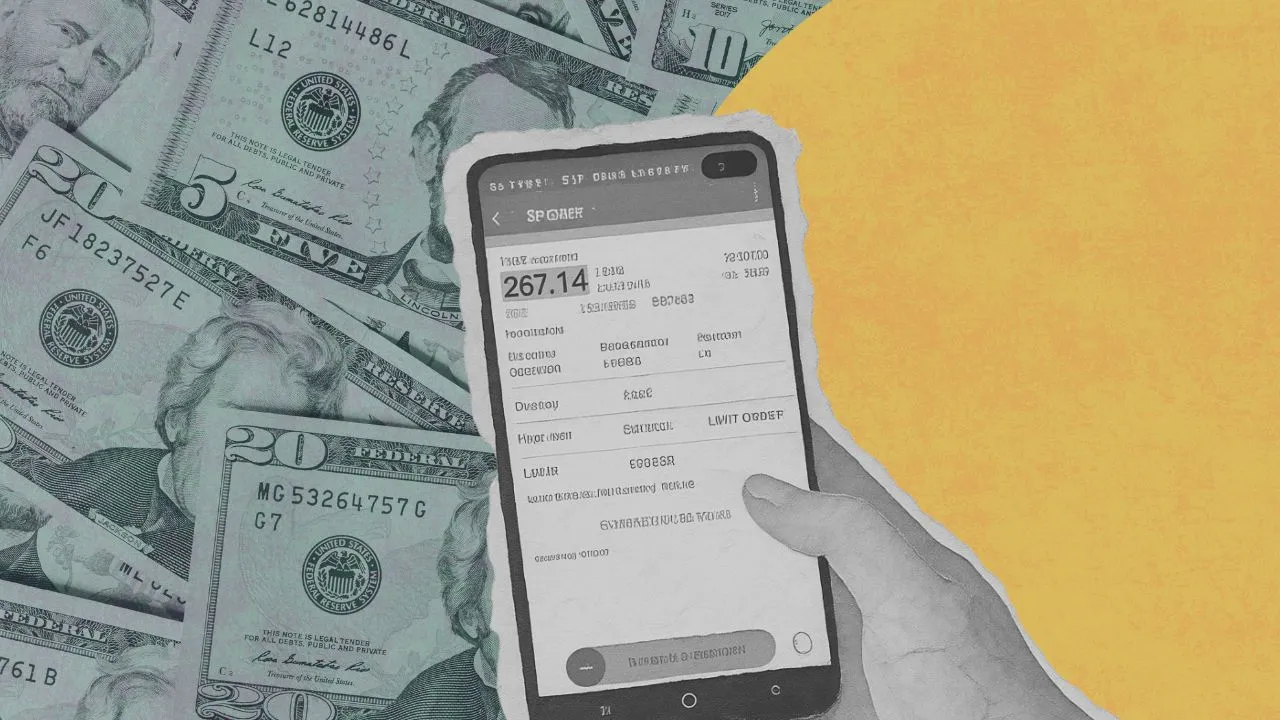
Prediction markets are being pitched as the future of forecasting — facilitating real-time bets on everything from elections to weather to celebrity news. But the billions of dollars flowing through platforms like Kalshi and Polymarket is also changing the future of corporate policy as the immense popularity of these markets has quickly changed how employers view gambling.
While in-office lottery ticket pools and friendly fantasy football betting may have been ignored for decades, a different reality is emerging inside workplaces in response to the rise in these apps: employees are increasingly being barred from using them altogether.

Recent insider trading cases, rapid growth in suspicious activity, and a wave of government bans suggest prediction markets are becoming a new compliance flashpoint for both public and private employers.
Insider trading cases move from stocks to “everything markets”
The most high-profile warning sign came from a federal case involving a Google software engineer accused of using confidential company data to profit on prediction bets tied to Google’s “most searched” list on Polymarket. Prosecutors allege the trades generated roughly $1.2 million in profits by exploiting internal knowledge about likely outcomes before they became public.

The case is not isolated. In earlier enforcement actions, a U.S. Army soldier was charged with using sensitive government information to place bets on geopolitical outcomes involving Venezuela’s leadership.
In both cases, investigators argue the core issue is the same one seen in traditional financial market insider trading: information asymmetry being turned into personal profit — except now applied to prediction contracts covering real-world events.
States begin banning prediction market use for employees
Governments are now responding directly.
New York and Maryland recently moved to prohibit state employees from using prediction betting platforms altogether. New York Governor Kathy Hochul signed an executive order banning employees from placing bets on real-world events or assisting others in doing so, extending existing ethics rules.
Maryland Governor Wes Moore followed with a similar order restricting the use of nonpublic government information in prediction markets and warning that violations could lead to disciplinary action and referral to the attorney general.
Other states, including Illinois and California, have also introduced or expanded ethics rules aimed at limiting employee participation in these markets.
The concern is not only actual misconduct, but perception — whether public trust erodes if government workers are seen profiting from inside knowledge of state or federal activity.
Platforms face rising suspicious trading and enforcement pressure
At the same time, prediction market operators are under growing scrutiny from regulators and lawmakers.
Platforms such as Kalshi and Polymarket have reported sharp increases in flagged or suspicious trades as trading volumes surge into the billions of dollars annually. Kalshi has investigated hundreds of potentially problematic transactions in a single year, more than double the previous year’s volume.
Polymarket and Kalshi have both updated internal rules to explicitly ban trading based on confidential information, while also cooperating with investigations.
Kalshi has since announced additional anti-insider-trading measures, including plans to require employment disclosures from users participating in certain high-risk markets tied to corporate performance, national security, and other information-sensitive events. The company says employment data will help identify potential conflicts of interest earlier and strengthen market surveillance efforts.
Kalshi also launched new whistleblower tools and disclosed that it made more than 20 referrals to federal regulators and law enforcement during the first quarter of 2026 alone.

Regulators say enforcement is becoming more aggressive. The Commodity Futures Trading Commission (CFTC) is now using artificial intelligence systems to scan trading activity for insider behavior — flagging patterns such as unusually timed bets placed before major announcements or data releases.
Prediction markets blur the line between gambling and information
Unlike traditional betting, prediction markets are designed to aggregate information about future events. Users trade contracts tied to outcomes like election results, economic indicators, or even pop culture moments.
But critics argue the same design that makes them useful for forecasting also makes them vulnerable to exploitation.
Some lawmakers are now pushing for tighter regulation, arguing prediction markets are functionally similar to gambling platforms and should face comparable licensing requirements. Others say the rapid expansion of “bet on anything” markets creates too many opportunities for misuse by insiders across government and corporate settings.
High risk, uneven rewards for everyday users
While enforcement focuses on insider trading, another concern is how unevenly gains are distributed.
Analyses of trading data from platforms like Polymarket suggest that a tiny fraction of users capture most profits, while the majority lose money. In some cases, more than 70% of users end up unprofitable, with sophisticated traders and algorithmic firms dominating returns.
Professional trading groups increasingly deploy high-speed systems, alternative data feeds, and AI tools to outcompete casual users. Some firms execute tens of thousands of trades daily, treating prediction markets less like betting platforms and more like quantitative trading arenas.
That imbalance has raised questions about whether everyday users — often attracted by ads promising easy income or “monetizing what you already know” — are being exposed to risks they do not fully understand.
Employers confront a new compliance frontier
This expansion of prediction markets is now creating new workplace policy challenges.
Some prediction market operators are now effectively treating employment status itself as a risk factor. Kalshi’s plans to collect employer information from users participating in certain sensitive markets reflects growing concern that access to workplace information can create trading advantages similar to traditional insider trading in financial markets.
Some organizations have already started firing or disciplining employees linked to insider-style betting activity on prediction platforms, underscoring that internal policies are beginning to mirror securities law standards.
Industry experts and regulators argue the core issue is not whether prediction markets will survive, but how they are governed — and who is allowed to participate in them.
A growing fault line between access and accountability
As prediction markets expand into mainstream financial behavior, they are colliding with workplace ethics, data access, and regulatory enforcement in ways traditional markets rarely did at this scale.
For employers, the risk is no longer limited to trading desks or financial institutions. Any worker with access to nonpublic information could now, in theory, turn that knowledge into a wager.
The result is a fast-emerging policy question: whether participation in prediction markets should be treated as a personal financial activity — or a restricted privilege for employees who operate inside information-sensitive environments.