



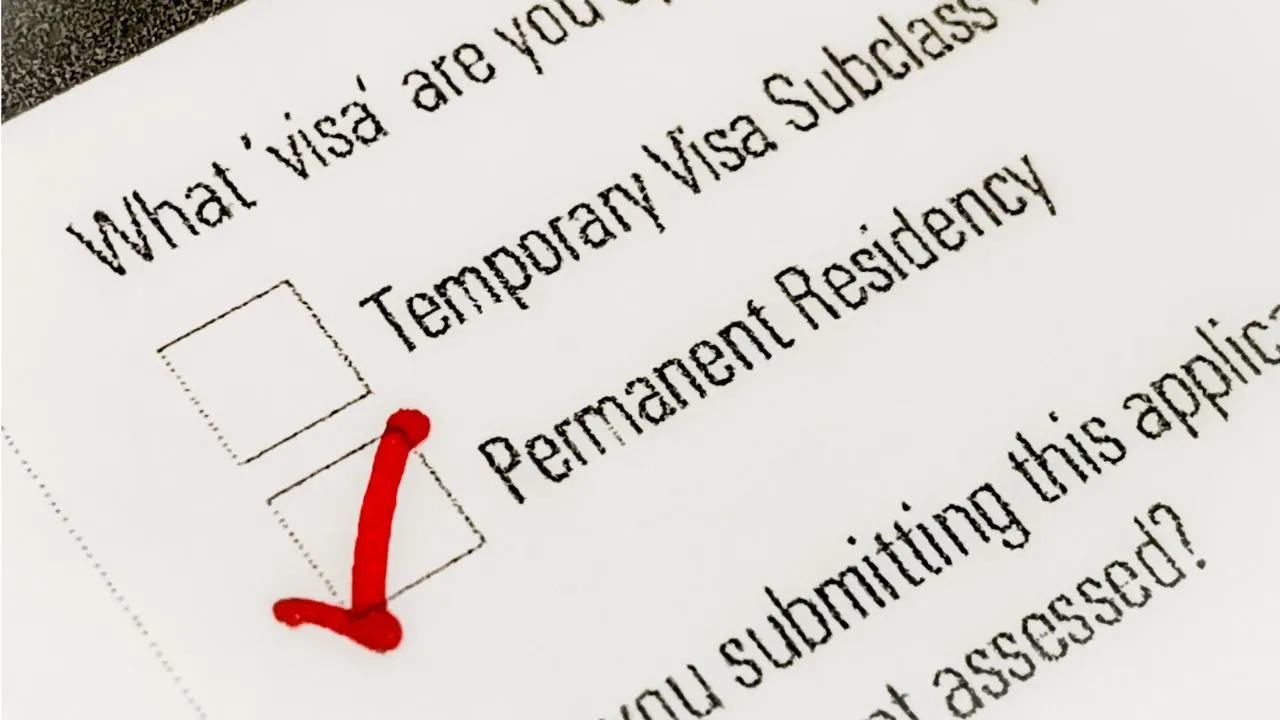
The U.K. government is replacing its five-year settlement pathway for many migrants with a system that ties eligibility to earnings, employment, public service contributions and compliance with immigration rules, according to the Home Office.
Under the new earned settlement model, some high earners and public service workers will still qualify after five years, while most migrants will face a 10-year wait. The highest earners will be eligible after three years, while people who have breached immigration rules could wait at least 20 years.

The changes give employment and income a greater role in determining how quickly migrants can secure permanent status, which provides unrestricted access to the U.K. labor market, NHS and welfare system.
Higher Earners And Public Service Workers Keep A Five-Year Route
Migrants earning more than £50,271 annually will be able to apply for settlement after five years, as will certain public service workers, including doctors, nurses and teachers.

Care workers will also have a five-year pathway if they complied with visa conditions and earned at least £25,000 annually. The government said the provision recognizes the sector’s contribution during the COVID-19 pandemic.
Care workers who do not meet those requirements, estimated to represent around a quarter of the group, will be offered another five-year visa. They can apply for settlement after completing that period.
The government said 1,800 employers have lost their ability to sponsor overseas workers following cases of exploitation and fraudulent job sponsorship in the care sector.
National Insurance Contributions Become A Settlement Requirement
All applicants will have to meet four conditions, regardless of when they arrived in the U.K.:

- Have no criminal record.
- Demonstrate a high standard of English, equivalent to A-Level English as a foreign language.
- Have no outstanding debt to the government.
- Show a record of sustained National Insurance contributions.
The criminal record requirement is stricter than the previous threshold, which allowed applicants with suspended sentences of less than 12 months to qualify.
The government estimates that more than 500,000 people will wait longer than five years to settle under the new system. It expects the changes to reduce welfare spending by billions of pounds.
Refugees And People Who Enter Illegally Face Different Timelines
Refugees arriving through Home Office-approved routes will be eligible for settlement after five years. Those arriving through other routes will generally face a 20-year wait, reduced to 10 years for people who work or study.
People who enter through small boats or other clandestine routes will face an additional 10-year waiting period, potentially extending the settlement timeline to 30 years.
The government said no one affected by the changes will automatically be required to leave the country and that eligible migrants can apply for new visas while working toward settlement.
People who already hold settled status will keep it, while existing pathways for family members of British citizens, Hong Kong British Nationals (Overseas) and members of the armed forces will remain unchanged.