A growing number of companies are reversing AI-driven staffing decisions after discovering that automation alone cannot handle many of the complex tasks required to run their businesses.
From manufacturing to banking and human resources, firms that initially reduced headcount in favor of AI are bringing experienced employees back, according to CNBC.

Ford Rebuilds Human Expertise
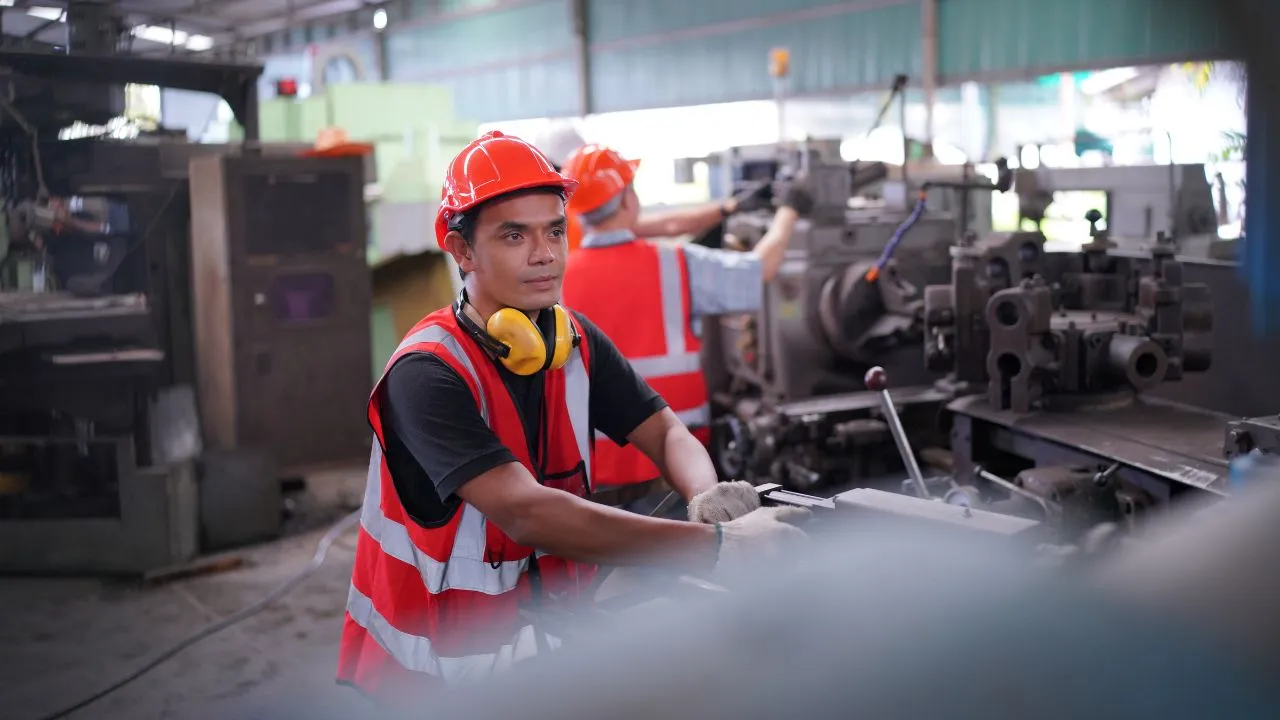
Ford is among one of the latest companies to change course, rehiring roughly 300 experienced engineers over the past few years to strengthen vehicle quality after finding AI systems alone were not sufficient.
The veteran engineers now conduct regular design reviews to identify potential issues before vehicles reach production. Company executives said AI remains an important tool but performs best when trained and guided by experienced engineers with years of product knowledge.

Other Companies Are Making Similar Moves
Ford is not alone.
Australia’s Commonwealth Bank reversed customer service job cuts after an AI voice system struggled to handle call volumes and customer needs, prompting the bank to restore positions.
IBM also found limits to automation after deploying AI to manage most routine human resources requests. While AI now handles the majority of standard inquiries, the company said more complex situations still require human judgment. IBM has since announced plans to significantly increase entry-level hiring in the United States, citing the need to maintain a future talent pipeline.
AI Layoffs Face Growing Scrutiny
Recent research suggests many employers may have moved too quickly to eliminate jobs.

According to Orgvue, 39% of business leaders have made redundancies tied to AI adoption, yet more than half of those leaders later acknowledged some of those decisions were mistakes.
Separate research from Robert Half found that nearly one-third of U.S. hiring managers eliminated a role primarily because of AI and later rehired for the same or a similar position.
Human Oversight Remains Essential
As companies gain more experience deploying AI, many are finding the technology works best alongside skilled employees rather than in place of them.
Industry analysts say organizations that focused only on cutting headcount often overlooked the need for workers who can supervise AI systems, verify outputs, solve unexpected problems, and make complex decisions.
The emerging lesson for employers is that while AI can automate routine work, experienced employees remain critical for quality, oversight, and long-term business performance.