



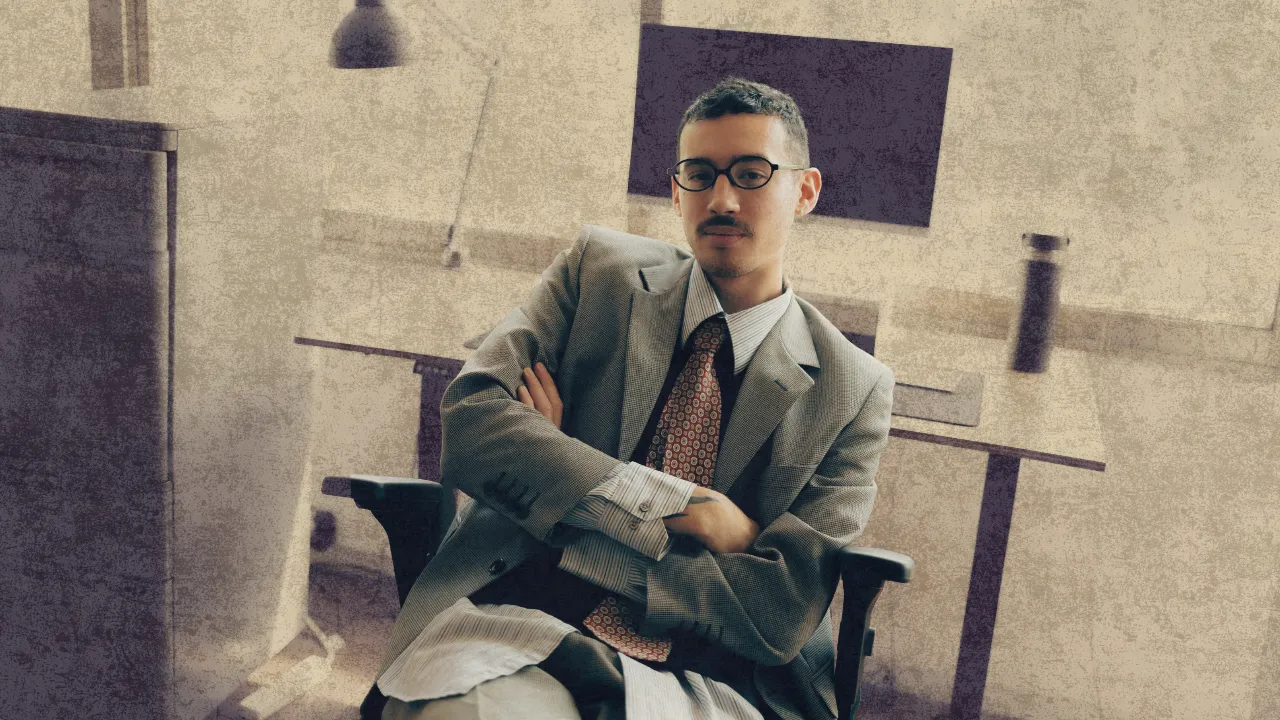
Gen Z is the most technologically fluent generation in the workforce. The prospect that the office keeps up with the latest technology is not a hope, but an expectation. They anticipate effortless transitions between personal workstations and shared spaces such as boardrooms.
Seamless connectivity has become the expectation in daily life. Smartwatches connect to phones, cars and televisions with the touch of a button. If personal technology is seamless and intuitive, why do workplace environments still create friction?

“Multiple generations are now navigating the same workplace, with entirely different mental operating systems,” said Amanda Schneider of ThinkLab during her keynote, “Designing Work for What’s Next.”
The contrast between traditional ways of working and emerging expectations continues to widen, challenging organizations to rethink how workplaces support employees.
Designing for Gen Z benefits everyone. It corrects long-standing gaps in how workplaces support people, rather than prioritizing one generation over another.
What Makes Gen Z Different from the Other Generations at Work?
Gen Z is the first generation less focused on climbing the corporate ladder. Many see the office as a support system, with a larger focus on mentorship and collaboration.
They see value in being in person, but expect a clear purpose. While independent tasks can be completed remotely, in-person environments are often preferred for learning, relationship-building and collaboration.
Many Gen Z and millennial workers feel their managers fall short when it comes to their development. They want managers to offer guidance, inspiration and mentorship alongside day-to-day oversight, according to Deloitte’s 2025 Gen Z and Millennial study.

Younger employees are also seeking a stronger sense of belonging and identity, using the office to learn workplace etiquette and better understand company culture through interaction with colleagues.
Mentorship is now understood to be an essential component in attracting and retaining developing talent.
Gen Z places a high value on career guidance, with 83% saying a workplace mentor is crucial to their careers. Yet only 52% reported having one, according to Adobe’s 2023 Adobe Future Workforce Study: What U.S. Employers Need to Know About Gen Z in the Workplace.
However, with hybrid work already the norm, bridging generational differences is an increasing priority.
Mentorship must be enabled; it is not intuitive for all and usually does not happen by chance. Visibility, proximity, and moments for unplanned interactions are all imperative to keeping the next generations engaged. Allocating for natural collision points throughout a floor, or glass dividers to allow for eye contact, will be key for mentorship to flourish.
Designing for Uncertainty and Adaptability
The balance between the new and maintaining status quo for those used to traditional ways of working remains a priority for design leaders.
In a hybrid work environment, companies are rethinking how office spaces can support collaboration, mentorship and employee engagement.
Traditional office layouts centered on executive offices and rows of workstations are evolving. As Baby Boomers approach retirement and younger workers place less emphasis on private offices, companies are reconsidering how private spaces can be repurposed to better support team interaction and changing workforce needs.
Efficiency in modern workplaces is increasingly tied to flexibility, access to technology and the ability to collaborate when needed, rather than a fixed workstation alone.
Though it may seem counterintuitive, offering employees a choice of work settings, whether it’s a quiet focus room or an informal collaboration space, allows them to select the environment that best supports the task at hand.
Rethinking the Wellness Room
With the lines between work and home becoming increasingly blurred, places for reprieve are critical in designing for multigenerational workplaces. Work environments that are cold, bright, and sterile are losing appeal as companies reassess how physical space influences the overall employee experience.
A wellness room is no longer simply a room with a chair, a door, and a workstation with an outlet for a laptop. Instead, wellness spaces are now viewed as essential to workplace design, on par with spaces such as the corner office.
In some cases, they may even support greater productivity and employee wellbeing.
Employees at all career stages may benefit from short periods of rest to recharge and return to work more focused and engaged, with sustained productivity, rather than working through burnout or illness.
Prayer rooms and other dedicated reflection spaces can help nurture the mind and well-being of employees in ways designers have not considered previously and are a more common component of workplace design. Space intentionally designed to allow for reflection, meditation, and prayer may also help employees return to work refreshed, recharged, and more focused throughout the day.
Flexibility and Malleability
Flexibility in the office extends beyond the physical workspace. It includes allowing individuals the right options for different stages of life. Designing for employees with fewer external responsibilities looks different than designing for those with caregiver demands.
Finding a balance between the two is important to ensure that one group does not feel held to different expectations around time in the office or performance. Future workplaces will find it necessary to provide employees with the flexibility they need to perform well, and that doesn’t mean offering the same choices to everyone — each stage of life and career needs to have the right support.
Design leaders must consider individual employees’ needs to create more cohesive, multigenerational workplace environments.
Environments should begin to respond in real time to employee needs — adjusting lighting, acoustics, and access to spaces based on how people work best.
For Gen Z and the generations that follow, it is no longer just a place to work, but a space designed for connection, learning and collaboration.
As workplace expectations continue to shift, design leadership must consider how the office environment will support employees as they shift into leadership positions. In doing so, offices can continue to be a tool that engages, encourages, and assists in productivity, company culture, and talent retention.
The office is no longer a static environment — it is an activator of learning, connection, and performance. Organizations that embrace this shift will create workplaces that do more than accommodate employees. It will help them develop, connect and lead.