



When engagement scores drop, organizations tend to look in two places. They worry about holding on to their senior leaders, and about whether they can attract good people in the first place. There is a third group they rarely look at, even though it now carries more of the organization’s weight than ever.
It’s the middle manager.

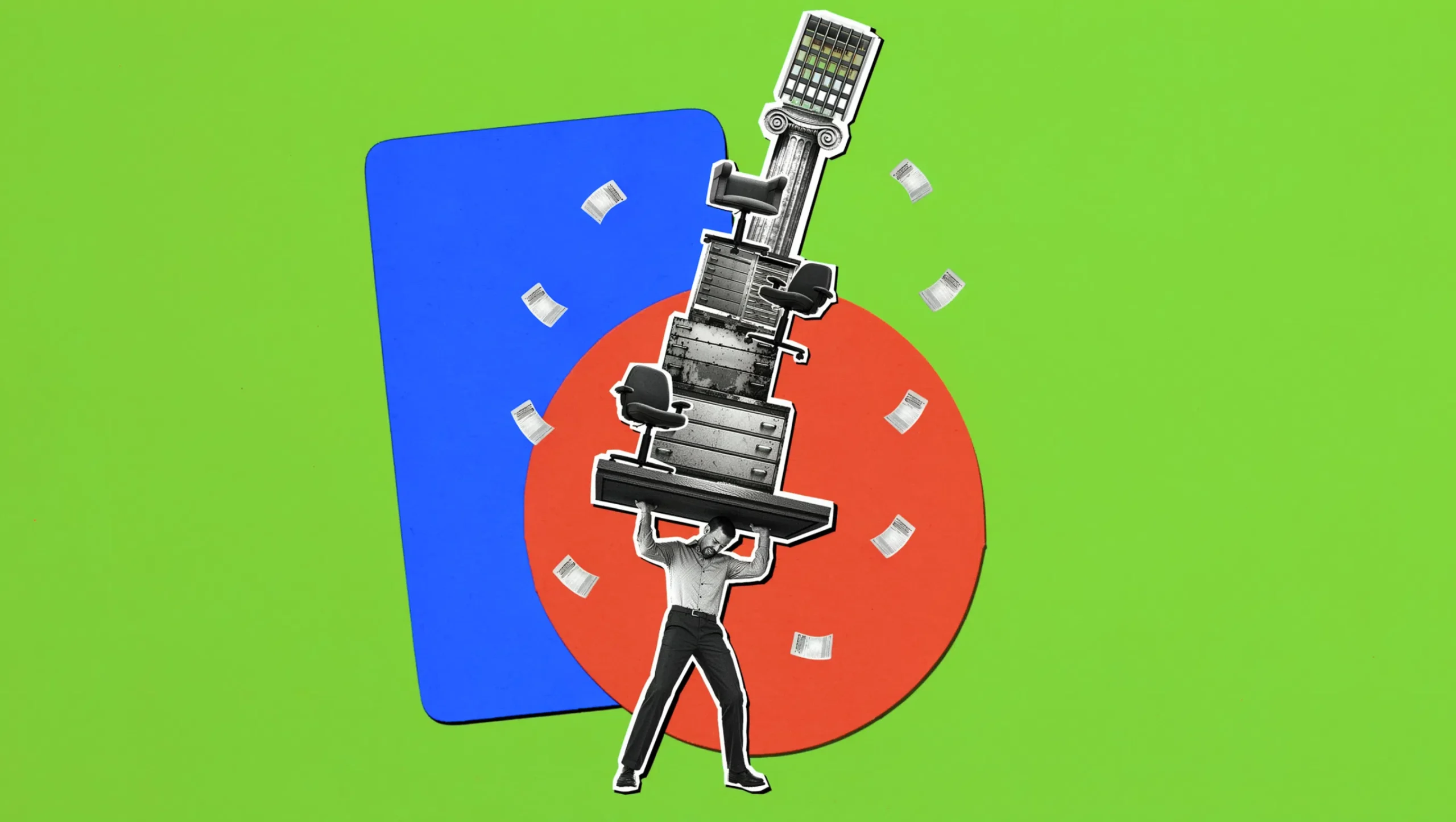
These are the people who turn strategy into Monday morning, and who absorb pressure from above and below at the same time. As companies cut management layers, there are fewer of them, and each one is carrying more. Very few organizations have stopped to ask what that is doing to them.
Spend some time with middle managers and a familiar theme comes up; they are expected to support everyone around them, yet very little support comes their way. Many can’t remember the last time someone asked how they were coping.
The numbers tell the same story
Gallup’s latest State of the Global Workplace report found that global employee engagement fell to 20% in 2025, its lowest level since 2020. Managers drove most of that decline. Manager engagement dropped from 27% to 22% in a single year and is now nine points lower than in 2022. Among employees who don’t manage anyone, engagement barely moved.
Fewer layers, the same amount of work
Flattening is a big part of that picture. According to one job-tracking firm, middle managers made up 29% of all layoffs in 2024, up from an average of 22% between 2018 and 2022. And in a Korn Ferry survey, around 41% of employees said their company had cut management layers in the past year.
On a slide, the logic looks tidy: fewer layers, faster decisions, lower costs, and AI to take care of coordination. In practice, removing a layer of managers doesn’t remove their work. Someone still has to approve the leave requests, coach the new hire and sit in the extra meetings, and that someone is usually the manager who stayed.
The job description nobody wrote down
Consider what is now expected of a middle manager. Lead the AI rollout, often with no more training than the team has had, even though Gallup’s research shows that manager-led initiatives are one of the main reasons AI gets used at all. Keep younger employees engaged, which, as an earlier column here explored, means more frequent feedback, more context and honest conversations about growth. Deliver the restructuring news, then absorb the team’s anxiety about it, often while wondering about their own job. And still hit the numbers.
Each of those requests is reasonable on its own. Put them together, with a bigger team and less support, and the result is the quiet exhaustion that shows up in so many training rooms. The managers carrying it are rarely the weak links. They tend to be among the most conscientious people in the organization, which is exactly why they keep saying yes.
Meanwhile, the support is thin. A Capterra survey of middle managers found that 71% sometimes or always feel overwhelmed, stressed or burned out. Only 37% received any management training when they were hired or promoted, and 74% rarely or never received ongoing training afterwards.
When managers run on empty, so do their teams
Exhaustion travels down. A manager who is running on empty has less patience for the colleague who is struggling and less time for a real conversation about someone’s career. Explaining yet another change becomes one more task to get through, rather than something to lead. It is very hard to lead others when you can barely lead yourself.
Gallup estimates that managers account for at least 70% of the variance in engagement across teams, so when managers disengage, their teams usually follow. Tired managers end up leading disengaged teams, and disengaged teams wear their managers down even further.
Five things to do before your best managers walk away
Flatter structures can work, and some layers deserve to go. But if you are removing them, a few things matter more than the new org chart:
- Redesign the role rather than stretching it. If a manager now has fourteen direct reports instead of seven, something has to come off their plate. Decide what, and say so openly.
- Train them for the job they have today. A one-off workshop on “leading change” won’t be enough. Managers need practical help with AI, with difficult conversations and with coaching a team that may span four generations.
- Give them a voice upwards. Middle managers usually see problems long before they reach the executive floor. Ask what they’re seeing and act on it, or they’ll stop telling you.
- Ask how they are. It sounds almost too simple. Yet in a room full of managers, it’s surprising how many say nobody has asked them in months.
- Protect the pipeline. Today’s middle managers are tomorrow’s senior leaders. Burn them out or flatten them away, and in a few years the question will be why nobody is ready to step up.
A word to the people redrawing the org chart
Many organizations are investing heavily in AI and transformation while overlooking the people who make change happen on the ground. Gallup’s CEO, Jon Clifton, made a similar point when the latest report came out: companies are spending a great deal on AI, the results aren’t yet showing up in the bottom line, and the piece most of them have ignored is the manager.
Middle managers are holding a great deal of the organization together. Before the best ones burn out or walk out, it’s worth asking a simple question: who is holding them?