



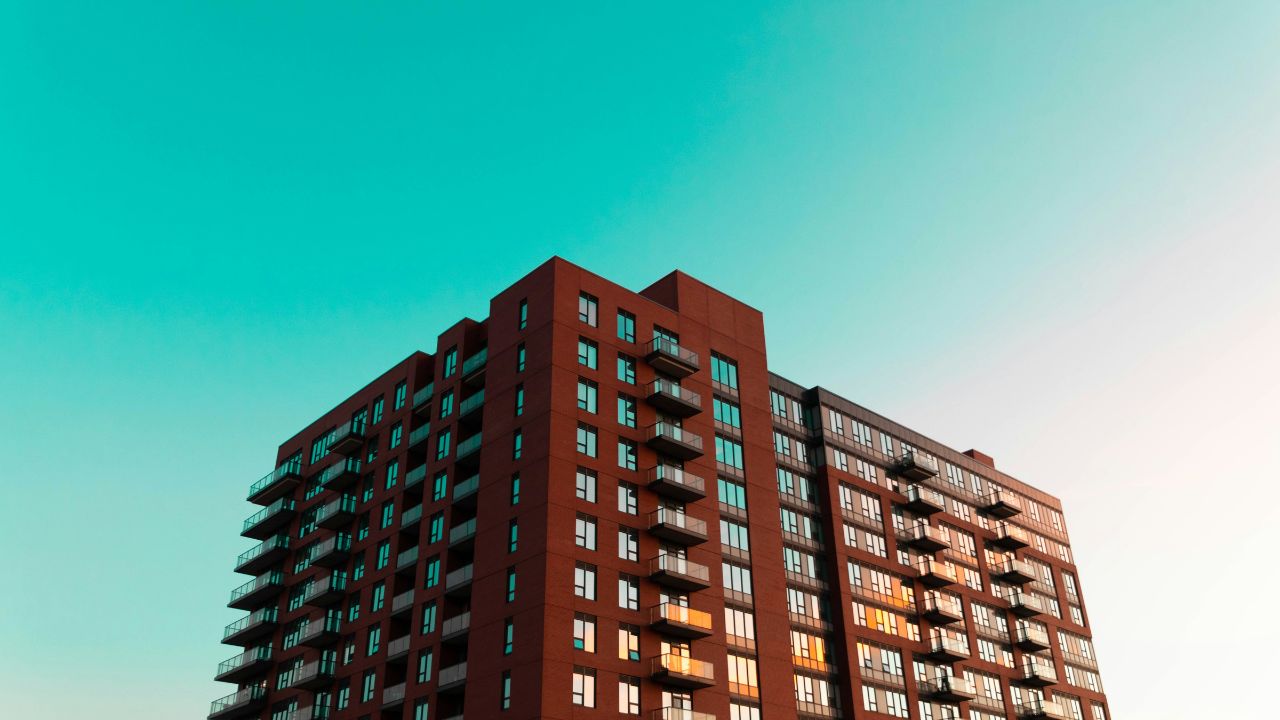
Over the past few years, the concept of home has metamorphosed — and so has the definition of what renters expect from their living space. For millions of remote and hybrid workers, that expectation now includes the ability to work productively just steps from their front door.
As the line between home and office blurs, multifamily developers and operators are taking note and asking an increasingly urgent question: how can apartment buildings transform underutilized common areas into coworking spaces that actually work?

The answer lies in rethinking “dead space” as a revenue-generating, resident-retaining asset.
According to Justin Clary, Business Development Sales Executive at WithMe, Inc., this doesn’t require developers to start from scratch, but it does demand a strategic approach.

“To successfully convert underutilized areas into compelling coworking hubs, properties must look beyond simple repurposing and prioritize thoughtful, resident-focused upgrades,” he told Allwork.Space.
Beyond Beanbags and Wi-Fi
As the remote work economy matures, residents are no longer satisfied with makeshift work-from-home solutions. In-house coworking has transformed from a “nice to have” to a differentiating amenity, especially in urban Class A and B+ properties where young professionals expect seamless work-life integration.
But creating a truly functional coworking hub within an apartment building takes more than plugging in a few power strips and calling it a day.
Clary emphasizes the importance of design that feels intentional and resident-first: “The best spaces balance comfort, aesthetics and functionality, avoiding the pitfall of simply checking an ‘amenity’ box.”
In many cases, this doesn’t require a major renovation. Minor upgrades such as improved lighting, ergonomic seating, soundproof dividers, and integrated power can transform an overlooked space into something residents genuinely use.
Profit Without a Price Tag
While some operators may be tempted to charge a premium for coworking access, many are seeing stronger returns through indirect monetization: increased resident satisfaction, lease renewals, and competitive differentiation.
Building operators are realizing that coworking doesn’t need to be a revenue center to be profitable. Instead, it’s a strategic investment in retention and brand positioning. Residents who feel like their building supports their lifestyle are more likely to stay, according to Clary.
Data backs this up. According to one survey, 48% of renters expressed interest in shared workspaces.
Still, profitability can be boosted with smart tech. Some platforms allow properties to manage coworking spaces through digital reservation systems, giving residents self-service access while reducing staff burden. Some operators also explore “flex” usage models, where outside guests or remote employees from local companies can rent space during off-peak hours.
Balancing Work and Community
One of the biggest challenges is integration, both physically and culturally. Poor sound insulation, for example, can turn a promising coworking space into a noisy sore spot, especially if it’s adjacent to living units or communal lounges.
Poor acoustics can ruin resident experiences, Clary warns. If someone’s trying to host a Zoom call and can hear their neighbor’s TV through the wall, it defeats the purpose.
Design strategies that include visual separation, dedicated access points, and purpose-built furnishings can help keep the “work” energy distinct from the residential feel of the building. Operators are also experimenting with hospitality-inspired touches, like rotating coffee carts, scheduled networking events, and seasonal decor to make coworking feel like a curated experience.
A Future Written in Square Footage
As coworking continues to cement itself as a core component of residential life, the next frontier lies in how future developments are designed. Rather than retrofitting spaces post-construction, developers are now including coworking amenities in their initial architectural plans, and sometimes even dedicating full floors or rooftop lounges to flexible workspace.
But retrofits are far from obsolete.
“Start by identifying underused or outdated spaces like old business centers, unused laundry rooms or oversized leasing offices. These can often be retrofitted without major capital investment,” Clary said.
And with remote work expected to remain a staple of professional life — especially for tech, creative, and financial sectors — the demand isn’t going anywhere.

In an increasingly crowded multifamily market, coworking may be one of the few amenities that pulls double duty: boosting resident satisfaction and future-proofing the property’s competitive edge.
“Coworking is no longer a ‘nice to have.’ It’s quickly becoming a core amenity in competitive markets,” Clary said.