
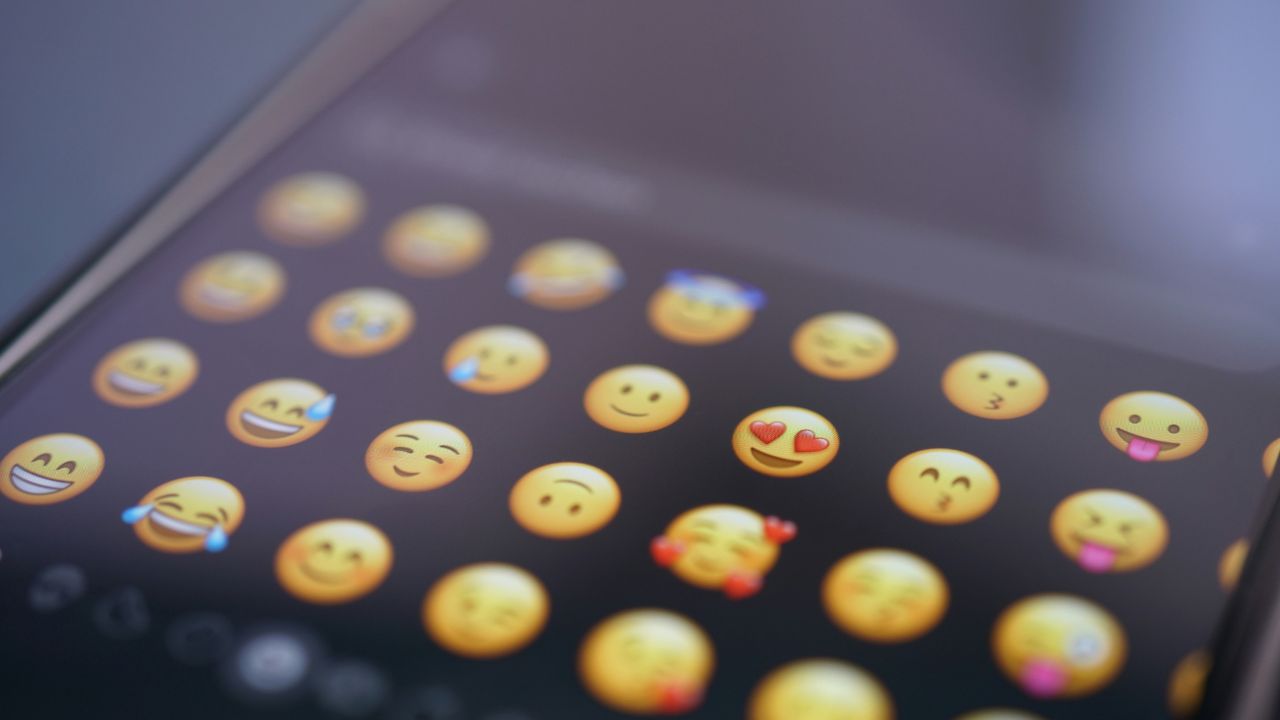
Emojis aren’t just for texts or social chats anymore. They’ve become subtle but powerful tools in our professional lives, helping us convey tone and emotion where words alone might fall flat. As our workplaces have evolved into more digital, hybrid environments, emojis have quietly become part of the modern business lexicon.
This didn’t happen overnight. As chat tools rose to the forefront and remote work took hold, emojis found their place in status updates, video call chats, and even messages from leadership.

What started as informal shorthand is now seen as a bridge between expression and clarity.
With in-person cues like body language and spontaneous hallway conversations disappearing, digital alternatives had to step in. Tools like Zoom, WhatsApp, Slack, and Teams brought with them not just new channels for communication, but new customs.

Emojis are now one of those customs. They serve a function: to soften tone, show understanding, highlight ideas, or create small moments of human connection.
Chat Tools Helped Normalize Emoji Use at Work
It’s no surprise that emoji usage gained traction as more teams adopted real-time messaging tools. Microsoft’s 2025 Work Trend Index reports that the typical knowledge worker now receives more Teams messages daily than emails — 153 versus 117.
In a work culture full of interruptions and time constraints, emojis have become a quick, efficient way to communicate alignment or appreciation.
Slack didn’t just allow emojis; it actually built them into the experience. Reactions like 👏, ✅, 🔥, or 👀 became essential parts of how teams operate. Microsoft Teams followed suit, weaving emoji reactions into calls and messages.

These tools shaped a new tone for digital work that feels more human, even when there’s no voice or face present.
In remote or hybrid setups, using emojis can even signal active engagement. A University of Michigan study found that remote workers who frequently used emojis were less likely to feel burned out or detached. On GitHub, projects tagged with emojis saw quicker responses and more collaboration.
In other words, emojis are cute add-ons as much as they can improve communication and collaboration.
What Are the Professional Go-To Emojis?
In today’s workplace, some emojis have become so standard they almost feel like part of the interface. A ✅ to indicate a completed task. A 🙏 as a kind thank-you. A 🚀 to mark a successful launch. These aren’t about personality — they’re about being clear.
Others in regular rotation include: 🙂 for a friendly tone, 👏 for praise, 📌 to flag something important, 💡 to share an idea, 🧠 to note insight, 📣 to share news, and 🎯 for team goals.
These symbols work across devices and platforms, making them reliable communication tools.
Used with intention, emojis help short messages carry tone or nuance. Overused or used out of context, they can confuse or clutter communication. But more often than not, the issue isn’t the emoji itself; rather, it’s the setting and delivery.
Are Emojis Okay in Work Emails?
Whether an emoji feels right often depends on the medium. In team chats, they feel natural and create a sense of culture and camaraderie. In emails, which tend to be more formal and long-lasting, emojis can feel out of place.
A 2020 study by Hult International Business School found that while nearly all workers were comfortable with emojis in team chat, far fewer were at ease using them in email. Many cited concerns over tone and professionalism.
The message? Each platform carries its own expectations.
That doesn’t mean emojis are banned from email. A thoughtful 🙏 in a thank-you thread, a ✅ in a subject line, or a soft “Thanks 🙂” in your sign-off can add warmth — especially when there’s existing rapport.
But be cautious when messaging new contacts, sending formal updates, or communicating across different levels of seniority. When unsure, prioritize clarity.
How Do You Know if an Emoji Is Appropriate?
Using emojis at work is about reading the room. A thumbs-up might signal support to one colleague but come off as dismissive to another. Baylor University’s Dr. Scott Varda points out that even the most common emojis, like 👍, are interpreted differently across generations.
So the best strategy isn’t a fixed list of do’s and don’ts. It’s context. Observe how your team communicates. Adapt to the tone of your colleagues. Consider who you’re speaking to, what platform you’re using, and what the moment calls for.
If the relationship and mood are right, a closing line like “Thanks 🙂” or “Let’s do this 🚀” can reinforce connection and motivation. Just remember: emojis should complement your words, not replace them — and they should never take the place of professionalism.
At the end of the day, emojis aren’t inherently unprofessional. Misapplying them is. In a work world full of alerts, late-night pings, and decentralized teams, a well-chosen emoji can help messages land with clarity, warmth, and intent. Just make sure it’s understood by the person receiving it.
A single emoji can say more than a paragraph. Too many? That’s just noise.
So yes, some emojis are absolutely workplace-approved. But the best ones do more than show how you feel by showing that you understand how modern work feels, too.