



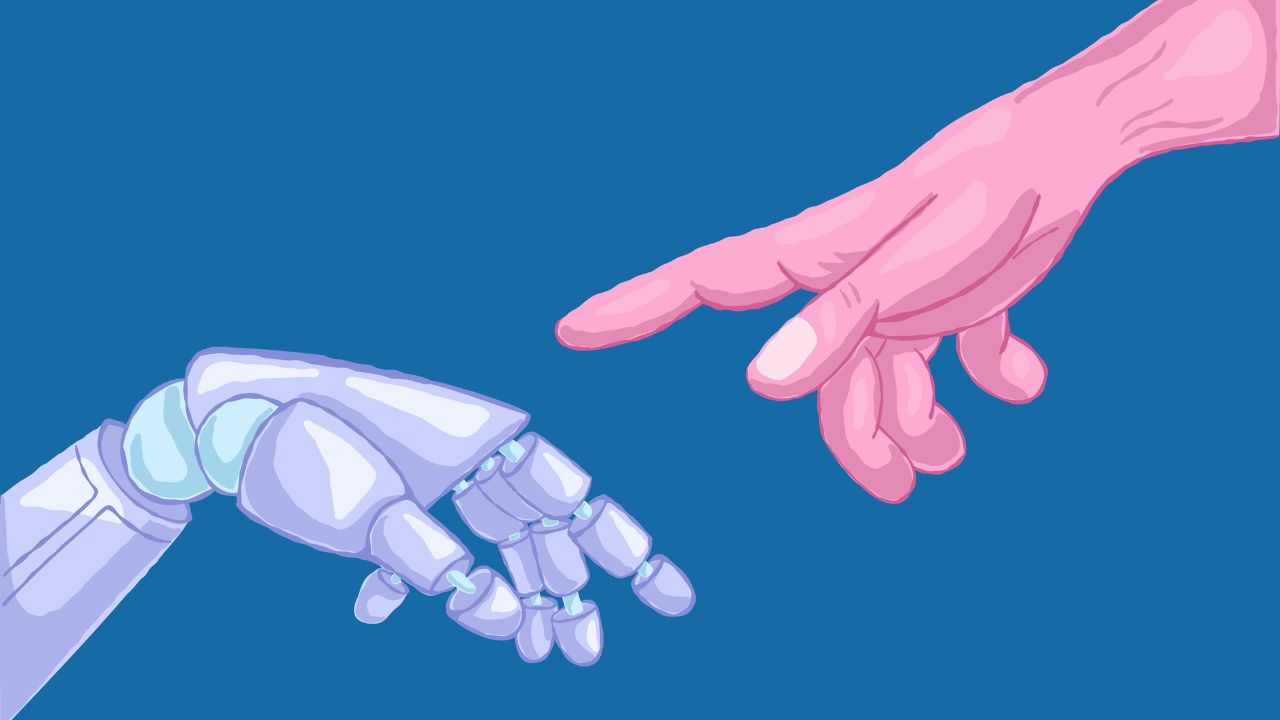
In today’s AI-driven era, a growing number of companies are slashing early-career roles in the name of efficiency. But this approach, while seemingly practical, is shortsighted. Sidestepping entry-level talent threatens long-term innovation and future success.
Efficiency has become a corporate mantra. With ongoing economic uncertainty and the rapid advancement of AI, many leaders believe the most logical place to trim costs is at the entry point.

The rationale: if automation can handle the grunt work, why keep junior roles on the payroll?
As a result, businesses across various sectors are quietly pulling back on hiring new grads and early-career professionals. This might appear fiscally wise in the short term, but it’s a misstep with lasting consequences.
You can streamline all you want, but without infusing new talent, you’re simply slowing your organization’s evolution.
A Labor Market on Ice
According to Indeed’s Hiring Lab, the August 2025 JOLTS report revealed 7.2 million job openings, yet hiring sat stubbornly at 3.2%. The quit rate slipped to 1.9%, while layoffs remained low at 1.1%.
At a glance, things seem stable. But underneath, the labor market is sluggish, marked by low hiring, low quitting, and minimal movement. It’s a job market that appears calm, but is in fact stagnant — and that stasis keeps fresh talent out while limiting internal growth.
This illusion of calm masks a deeper issue: without movement, organizations can’t evolve. New hires bring in fresh thinking, updated skills, and the energy to push against outdated norms.
When companies stop bringing in early-career talent, they shut the door on the very fuel that drives change.
Gen Z is Moving On
While many established firms stall entry-level hiring, younger workers aren’t sitting idle — they’re reshaping the workforce in real-time. Fiverr’s Next Gen of Work report found that 67% of Gen Z now consider “income stacking” — juggling multiple revenue streams — essential to financial stability.
Over half believe that traditional employment models are on the way out. They’re not walking away from work; they’re reinventing how it fits into their lives.
The report reveals that Gen Z suffers from what it calls “single-paycheck panic.” The idea of relying on one employer no longer feels safe. Instead, they’re freelancing, diversifying their skills, and leaning into AI for support.
Nearly 60% say they trust AI to manage parts of their workload and already use it to spark creativity or streamline tasks.
That should be a wake-up call. When ambitious young professionals stop trying to work for your company and instead build careers outside it, you don’t just lose future employees — you lose future innovators, brand advocates, and loyal customers.
The next generation is still learning. They’re just doing it somewhere else.
The Value of On-the-Job Learning
A common misperception about entry-level jobs is that they consist of menial, replaceable tasks. But those basic responsibilities are foundational. They’re how people begin to understand the bigger picture: the context, the reasoning, the decision-making behind the work.

Without exposure to these basics, how can they grow into effective leaders?
Cisco’s EVP Jeetu Patel addressed this misconception during a conversation on The Future of Less Work. He said, “There’s this narrative that entry-level jobs are a thing of the past, that AI will take them all. That logic is just flawed.”
He emphasized that learning, applying, and passing on knowledge is how companies stay resilient. Cutting early-career roles severs this crucial learning loop. Without new talent to absorb and eventually share knowledge, organizations weaken their ability to adapt.
Even the smartest AI can’t replicate the instincts honed by understanding a system from the ground up.
These early roles teach the nuances — not just what to do, but why it matters. They build the critical eye needed to question results, challenge outdated systems, and interpret data meaningfully.
If no one is learning these skills, who will recognize when the AI gets it wrong?
Fresh Eyes Drive Progress
Hiring early-career talent isn’t just about training the next generation — it’s also about keeping your organization challenged. In a world where adaptability is key, unlearning outdated practices is as essential as mastering new ones. But that kind of questioning rarely happens internally. Without new perspectives, companies risk becoming echo chambers.
Patel notes that magic happens when experience meets inexperience. Veteran employees bring valuable insights, but also blind spots. Early-career hires question the norm, spot inefficiencies, and bring a native understanding of emerging culture and tech trends.
They act as a mirror, reflecting where customers are headed instead of where the company has already been.
Healthy tension between seasoned professionals and fresh thinkers is what drives transformation. Without that friction, organizations grow static and lose their edge.
You Can’t Save Your Way to Innovation
Holding off on entry-level hiring might look like a smart financial play, but it’s a dangerous form of false economy. Efficiency without rejuvenation leads to decline.
The businesses that will thrive in an AI-powered future are those that keep cultivating talent — not just at the top, but from the ground up.
Economic cycles come and go. Technology will continue to evolve. But the need for people who can question, adapt, and grow will remain constant. The companies that recognize this will keep welcoming early-career talent, not because it’s cheap labor, but because it’s the foundation for long-term resilience.
Cutting entry-level hiring might save you a few dollars today. But it could cost you your future. That’s not a strategy. That’s just shortsighted.