



I toured more than 40 office buildings, in three time zones in a single week. Some were barely a third leased. Others were close to full. On paper, they told very different stories. Inside, they felt identical.
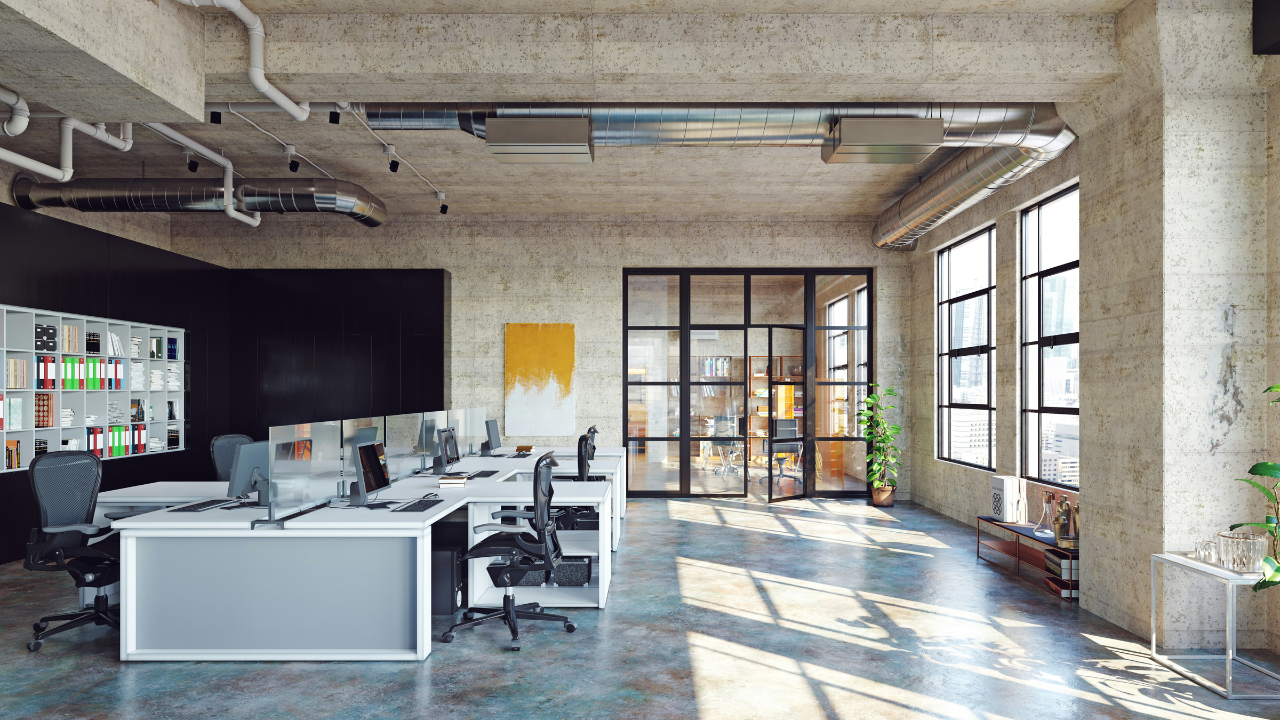
It was a Wednesday. Train station parking lots were full. Traffic patterns suggested people were moving again. Yet floor after floor, the offices were quiet. Active leases. Maintained buildings. Capital invested. Yet a dearth of presence. Crickets. No hum. No collision. No sense of momentum tied to the work itself.

The silence wasn’t isolated to struggling properties. Buildings with high lease occupancy felt just as subdued. The gap between commitment and lived experience was impossible to ignore.
Leased space no longer predicts daily behavior.

Commitment No Longer Anchors the Workday
For most of the office market’s history, leasing space determined where work happened. The office anchored the day by default. Utilization followed commitment, but that relationship has weakened.
Today, lease occupancy offers limited insight into how a space functions on any given day. People arrive. Hunker down in their office. Or sit in the open space (alone – together). Zoom with colleagues in the next office. Some days, they skip the space entirely.
Work has become portable, and portability introduces choice. People now evaluate environments continuously, based on what they enable in that moment — focus, speed, coordination, or recovery between meetings. When space fails to improve those outcomes, presence diminishes.
This is how offices remain operational yet feel empty. The space exists. The workday moves elsewhere.
The Office Is Competing for Attendance
The office now operates inside a competitive ecosystem of work environments. Home offices, neighborhood workspaces, the library and park bench, all provide viable settings for doing serious work. Each offers a different balance of autonomy, control, and convenience.
Employees navigate among them pragmatically. Attendance follows value. People show up when being there improves how work gets done. When it doesn’t, productivity continues somewhere else.
One visit made this unmistakable. A 30,000-square-foot studio built for a video game company had once been full. Vibrant and buzzing, I was told. The space was designed for collaboration, iteration, and speed. The lease remained in place. The amenities remained intact. Yet daily presence had thinned dramatically. The work still shipped, and the teams still coordinated. The workday simply unfolded elsewhere.
Space has to deliver an advantage that justifies the choice to be there. Ownership and investment alone are not guarantees of relevance.
Designed for Amenities, Not for Work
Floors without friction. Corridors without purpose. Dead office space is giving leaders an honest signal.
In building after building, large swaths of space sat unused. Not abandoned. Not underfunded. Leased, serviced, and ready — yet quiet.
Many of these offices were designed to attract people rather than to enhance the work itself. Gyms, cafés, and hospitality features created comfort and optionality. They did little to improve focus, decision-making, or creative velocity.
When space doesn’t make individuals or teams better at what they do, people disengage quietly. They don’t protest. They adapt. Over time, even well-appointed offices become peripheral.
If you think about it, this emptiness makes rational sense.
Presence withdraws from environments that stop advancing the work.
What It Takes for Space to Earn Presence Again
People show up when space changes and indeed enhances the quality of the workday – both on a professional and personal level. On a human level.
Environments that earn consistent presence do one thing well: they improve outcomes in ways other locations can’t. They compress cycles. They accelerate decisions. They make progress visible. They create momentum that carries beyond scheduled meetings.
This doesn’t come from scale or finishes. It comes from alignment. Space close to the people someone needs to work with. Space configured around real workflows. Space that reduces friction rather than adding it. Space that makes collaboration useful again.
Purpose-built environments behave differently because teams arrive with intent. Time stretches instead of compressing, and informal interaction resurfaces because it serves the work. The office regains gravity by strengthening outcomes, not enforcing attendance.
Too many offices still ask people to commute without offering a meaningful upgrade to how the work unfolds once they arrive.
The Cost of Ignoring What Empty Space Is Telling Us
Offices without a pulse, whether fully occupied or not, are feedback.

For organizations, the risk is subtle. Space remains leased and costs remain fixed, but engagement shifts quietly elsewhere. Leaders misread attendance. Real estate strategies lag behind reality.
For cities and landlords, the signal matters just as much. Recovery can’t be measured by leases alone. Vitality depends on whether buildings are doing real work again — producing energy, exchange, and momentum.
The office is still here and viable, but it has lost immunity from comparison.
Presence has become conditional. It is earned through relevance rather than requirement. Until space consistently enhances the work itself, leased offices will continue to sit full on paper and empty in practice.
And the emptiness won’t be a mystery. It will be the answer.