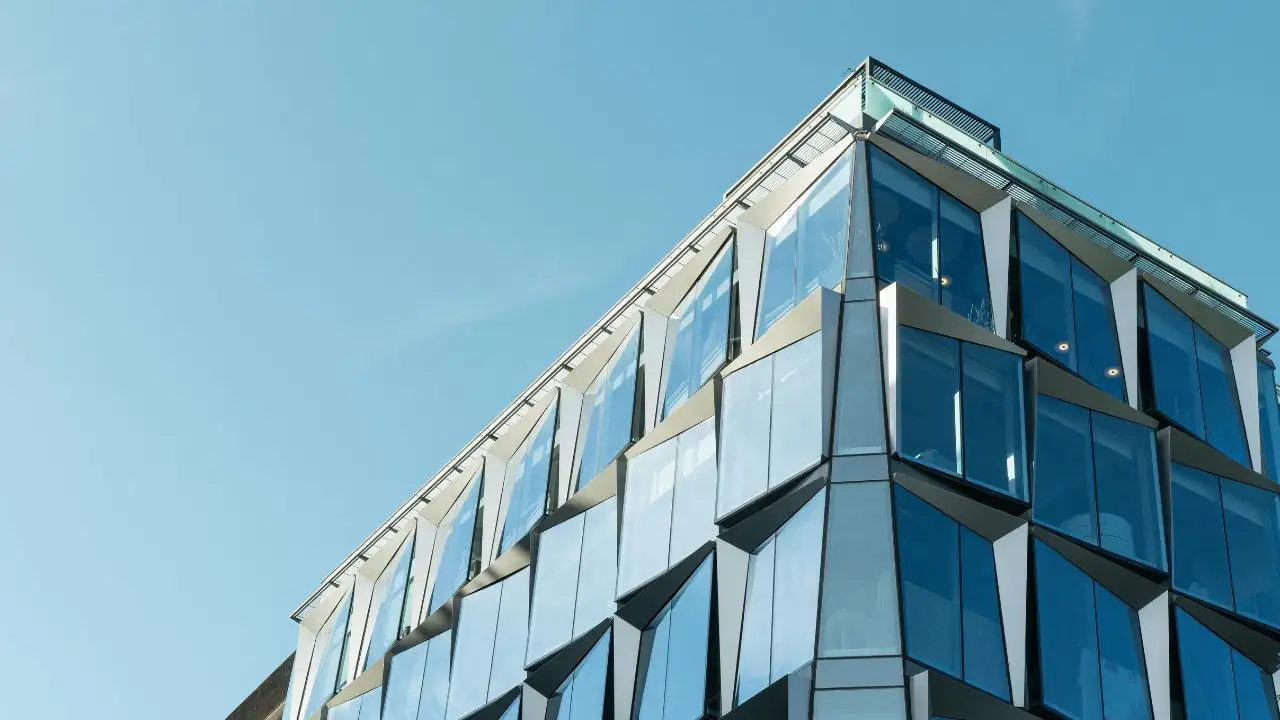
U.S. office real estate is beginning to stabilize after several years of declining values, but the rebound is selective — favoring high-quality buildings, specific locations and employers still committed to in-person work.
Research from Yardi Matrix shows the average office sale price rose to $182 per square foot in 2025, up 6.1% from the prior year and the first annual increase since 2021. Even so, most markets remain below pre-pandemic levels.

A handful of metros have already recovered. Prices now exceed 2019 levels in Miami, Dallas, Detroit and Orlando, reflecting population growth and corporate migration patterns. Higher-grade buildings also led the recovery: top-tier properties rose faster than mid-tier assets, according to Commercial Cafe.
Quality and geography now define value
Location dynamics highlight how office demand has changed rather than disappeared. Suburban properties saw a larger annual price increase than downtown cores, while traditional urban assets lost value even as they remained expensive relative to other formats.

At the same time, discounted transactions are still common. Some buildings are selling at dramatic markdowns compared with prior cycles, showing the market is resetting asset values while activity gradually returns.
The result is a bifurcated market: modern or well-located offices attract buyers, while outdated properties continue repricing.
Vacancy improves, but tech hubs lag
National vacancy fell to 18.2% in January, down from a year earlier, and most major markets recorded improvement. Manhattan and the Bay Area both posted notable declines.
However, technology-heavy cities continue to struggle. Seattle now has the highest vacancy among major markets, and further corporate job cuts could add additional space to the market.

Listing rents averaged $32.55 per square foot nationally, though wide regional gaps persist. San Francisco commands nearly double the national average, while several Midwestern markets remain far cheaper.
Sales activity returns in gateway cities
Transaction volume is picking up, led by major urban centers. Manhattan alone recorded more than $1 billion in office sales in January and nearly $7.8 billion in 2025, the strongest activity since the start of the decade.
Large deals are still closing at reduced valuations compared with earlier cycles, and lenders are requiring significantly more equity than in the previous market peak. Investors appear willing to transact again — but under stricter underwriting assumptions tied to long-term occupancy risk.
Construction slows, but not evenly
The office development pipeline remains historically low. About 29 million square feet was under construction in early 2026, far below the prior year.
Yet construction starts increased modestly over the last 12 months, suggesting developers see limited opportunity in new, high-quality buildings even while older stock struggles. Texas markets and parts of California account for a large share of active projects.
This pattern reinforces a replacement cycle: new offices are being built selectively while obsolete inventory exits the market through conversions or repricing.
Employment signals a reshaped workplace
Office-using employment fell slightly nationwide over the past year, though some markets are recovering. Phoenix posted one of the fastest office job growth rates among major metros as professional services hiring offset declines in technology roles.
The employment mix matters. Growth is coming from sectors that still rely on physical collaboration, while industries that can operate remotely continue to shed space.
The future of work: fewer offices, better offices
Companies are not abandoning offices entirely, but are consolidating into buildings that support hybrid collaboration and recruiting.
For workers, that means fewer but higher-quality workplaces. For owners, value now depends less on square footage and more on experience, location and adaptability.
The office market’s recovery is therefore uneven by design: demand is returning, but only to the spaces aligned with how work is now organized.