



Furniture has always played an important role in the workplace, but it’s becoming more central as companies focus on encouraging employees to come in. While design firms and manufacturers have long emphasized the impact of well-designed environments, many organizations are now elevating furniture from a supporting element to a more strategic priority—recognizing its influence on how people experience and use the space daily.
Today, companies are asking a very different question: how do we create office spaces employees actually want to be in? In a world where people can work from almost anywhere, the office has to offer more than a badge swipe and a workstation. It has to create value through connection, productivity, flexibility, and experience.

That is where furniture goes beyond function and starts shaping engagement.
Space Influences Behavior
One of the biggest repositionings in workplace strategy is recognizing that people do not work the same way all day. Employees move between focused individual work, spontaneous collaboration, scheduled meetings, social interaction, and moments that require privacy or decompression.
Yet many offices are still designed with only one mode in mind: rows of desks and cubicles. When spaces fail to reflect how people actually work, employees feel it immediately. They become distracted, disconnected, and less motivated to come in.
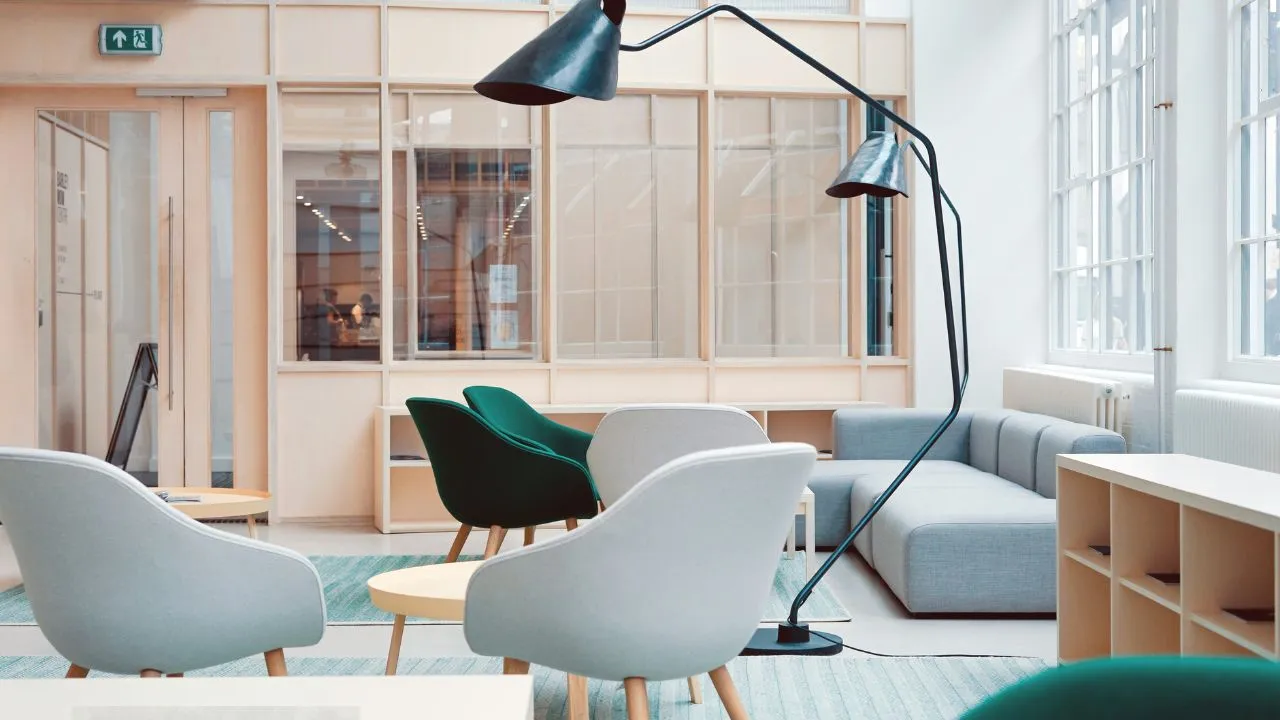
Furniture helps solve that challenge by creating choice. A workplace with varied settings, private focus areas, collaborative tables, soft-seating lounges, touchdown spaces, and flexible meeting zones gives employees the ability to choose the environment that best supports the task at hand.
That autonomy matters. People are more engaged when they feel trusted to work in ways that suit them best.
The Best Offices Borrow from Hospitality
If companies want people back in the office, the workplace needs to feel purposeful, not transactional.

We are seeing more organizations embrace amenity-rich environments that draw on hospitality. Comfortable lounges, café-style gathering areas, warmer finishes, residential textures, and thoughtfully designed communal zones all help transform the office into a destination rather than an obligation.
Employees notice when a space feels welcoming. Furniture plays a central role in creating that emotional experience. The right mix of materials, comfort, layout, and flexibility can make a workplace feel energized, sophisticated, creative, calm, or collaborative. Those signals influence whether people simply pass through a space or genuinely want to spend time there.
The office should earn the commute.
Culture Is Physical
Every company talks about culture, but culture is also communicated through space.
A creative media brand may want bold, expressive environments that encourage movement and brainstorming. A financial institution may prioritize polished professionalism paired with quiet concentration zones. A fast-growth startup may need adaptable spaces that evolve quarter by quarter.
Furniture helps translate that unique brand identity into something employees experience every day.
When a workplace aligns with how a company sees itself and how it wants people to work together, it tangibly reinforces culture. When it feels generic or disconnected, employees sense that too.
The strongest workplace environments are formed by identity, not by trends.
Flexibility Is the New Standard
Many organizations are still adjusting footprints, rethinking leases, or consolidating space. That means furniture decisions need to support change, not resist it.

Flexible systems, modular solutions, movable pieces, and multi-use settings allow companies to adapt as teams grow, shrink, or reorganize. Spaces that can shift over time create more long-term value than static layouts designed for one moment in time.
We also see growing interest in repurposing existing assets wherever it makes sense. Smart companies are evaluating what can be refreshed, redistributed, or integrated into a new environment instead of assuming everything must be replaced.
A good workplace strategy comes from smarter planning, instead of higher spending.
Engagement Is Measured in Experience
Leaders often talk about engagement in terms of surveys, retention, and productivity metrics. While those matter, engagement is also fashioned by the everyday experience employees have when they walk into work.
Can they find a space to focus? Can they collaborate easily? Can they feel energized rather than drained? Can they see themselves there?
Furniture influences all of those questions more than many organizations realize. From comfort and acoustics to movement and interaction, every choice helps shape whether a space feels open and engaging or rigid and uninspiring.
When companies overlook those details, the office becomes a place employees tolerate. When they get them right, the office becomes a place employees value.
Looking Ahead
The future of work goes beyond choosing between home and office. Success depends on creating workplaces people genuinely want to use. That change requires organizations to rethink the role of the physical environment.
Furniture no longer serves only as operational infrastructure. Thoughtful workplace design helps attract talent, support performance, strengthen culture, and create spaces that encourage engagement.
Employees do not return simply for a desk; people return to environments that support better work, encourage collaboration, and create a stronger sense of connection throughout the day.