
Earlier this year at the GCUCALL Conference, Melissa Marsh from PLASTARC, spoke about multisensory design and how it can contribute to an improved workplace environment.
Flexible workspaces, particularly coworking spaces, have put the workplace in a consumer centric position; demanding that the environment be more user-friendly and be designed for the actual users and members of the space.

Multisensory design is an architectural and design practice that allows for a better workplace design approach.
“We think of workplace design as a more sophisticated palate and a more humane approach to design. We don’t design for machines.” -Melissa Marsh
“People are sensors; it’s our human nature to be very dialed-in.” Which means that we use all of our 5 senses as a way of talking about things; including the workplace. Members should be able to talk about more than just the visuals of your workspace; they should be able to talk about the air flow, the level of scent, the style of the scent.

Multisensory design allows for this full-bodied experience by creating a ‘conversation’ between designer, workspace operator, and user; this leads to better thoughtfully designed spaces that can be successfully measured and designed.
To help us better understand the multisensory approach to workspace design and how operators can take advantage of it, we spoke with Melissa Marsh, founder and CEO of PLASTARC.
What is multisensory design? Where does it come from?
Multisensory design stems from the idea that humans experience space in many ways – more than just through what we see. Even though sight is what people tend to think of first when it comes to design and architecture, we respond just as strongly to sounds, smells, temperature, humidity, textures, flavors. Education, retail and hospitality have all begun to incorporate multisensory research into their environmental design, and workplace design is drawing on all these precedents.

How does multisensory design improve the workplace?
Employees face a lot of cognitive demands in the workplace. Paying attention to the multisensory aspects of design can make it a less stressful place and increase productivity, as well as physical and mental well-being. Overall, architecture and design are taking human factors into account more and more, and the workplace is a great opportunity to integrate user-centric design principles. For example, sound masking in open offices can improve productivity and reduce stress, while signature scents can help create a unified brand experience in the workplace.
What are some of the benefits that have been observed or associated with multisensory design?
Multisensory design, if it is used thoughtfully, can dramatically increase the desirability of the workplace. Employees who feel comfortable, healthy and connected in their workplace will be more eager to come into the office and to share the space with one another. Incorporating elements of holistic, multisensory design is also crucial to employee well-being, and healthier employees are likely to experience less stress in the office, take fewer sick days, and generally feel better, both physically and mentally.
How can flexible workspace operators include multisensory design in their spaces?
Looking into environmental psychology research can provide a good foundational understanding of how people experience space in a multisensory way. Drawing inspiration from beyond the workplace can add greatly to a successful workplace design. Enlisting employees to understand what they need and want throughout the day is also key to a good workplace.
You mentioned in your presentation that the sensory experiences of workplaces are measurable and quantifiable. How so?
There are measurements associated with each sense that can help us quantify the experience of a space. Some examples include: lux for sight (lighting); decibels for sound; degrees (Fahrenheit or Celsuis) for touch; olfs for smell; and IBUs for taste. Sensors and related applications allow for measurement and analysis of different sensory factors. Tools like Comfy and Physics Toolbox Sensor Suite help connect occupants to the environmental aspects of their spaces by collecting data and sharing insights.
Is there a particular sense that affects or influences our experiences (in the workplace) the most?
A multisensory workplace design is most successful when it is just that – a design that pays attention to, and integrates, all senses to give occupants a well-rounded experience. Focusing on just one sense at the expense of the other four can leave blind spots that diminish the experience of being in the space. However, some senses do tend to be overlooked more frequently than others and can make a big difference in the workplace, like smell and touch.
During your presentation, you mentioned firmness, utility, and delight as elements that should make up a workspace, how can this be accomplished?
The ancient Roman architect Vitruvius proposed that firmness, utility, and delight were the three pillars of successful building. Architects around the world, for centuries, have abided by these principles when going about their work. Firmness and utility are the most readily accomplished, but delight has been a much more elusive quality, the idea that built spaces will make their users happy and make them want to spend time there. As architecture moves more towards embracing human factors, we are beginning to understand how our spaces can inspire delight, and multisensory design is one way of accomplishing that. Bringing delight into the workplace is all about going beyond the physical pieces of design, and really understanding what people want and need out of a space.
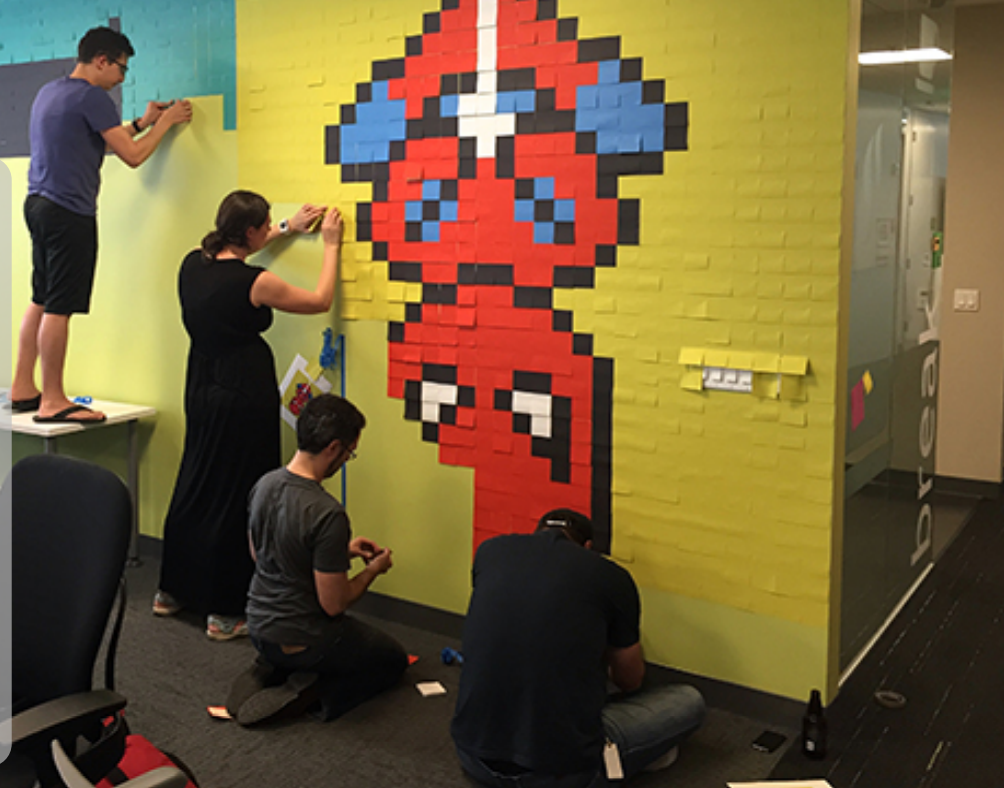
Feature image grabbed from Melissa Marsh GCUCALL presentation.