




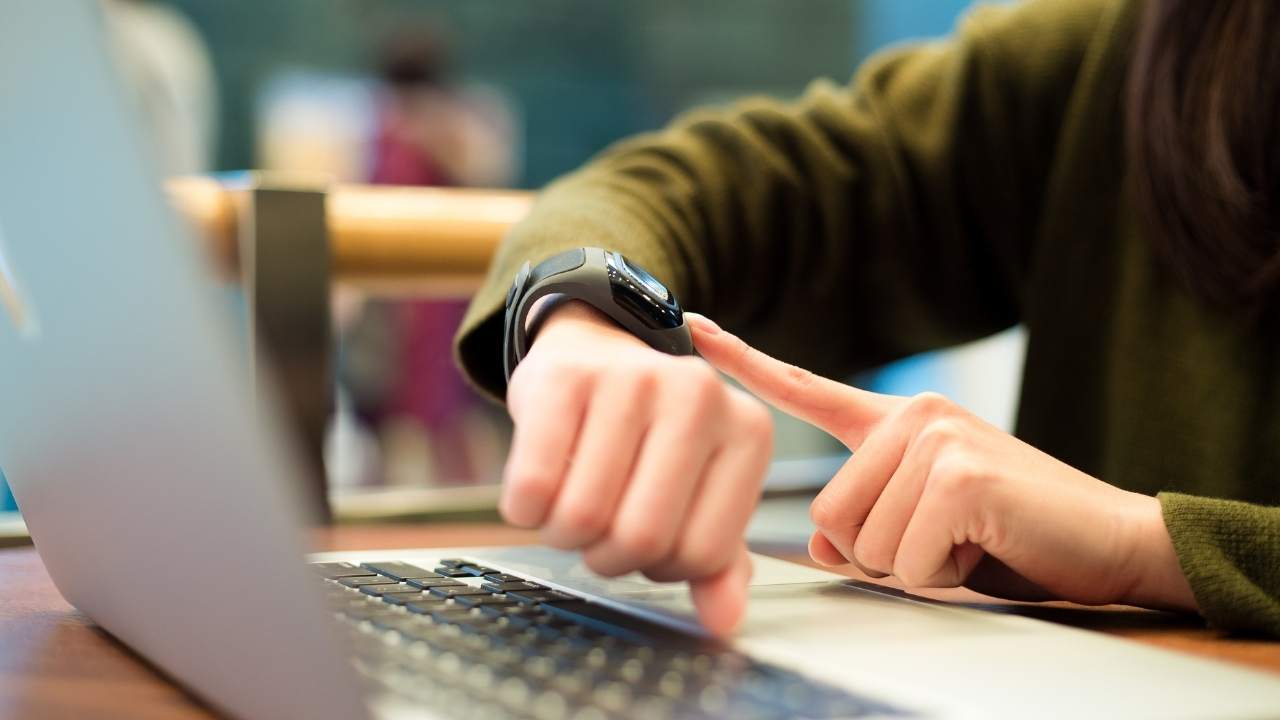
With wellness in the spotlight more than ever, how can wearable technology help workers improve their overall health and wellness?
According to JLL, while smart watches and fitness bands are most common in the workplace, other devices are also emerging.

These include smart patches, which can monitor health indicators such as heart rate variability, blood pressure and posture. Smart goggles and smart helmets are proving beneficial in warehouses and on construction sites, as they can improve safety by tracking vital stats on workers’ physical condition.
“We invest so much in the healthy, productive workplace – such as sensors measuring occupancy, air quality and movement – yet the most important metric is its impact on individuals,” says Andrew O’Donnell, UK Real Estate and Workplace Director at JLL.

“Employers are recognising this and seeing wearables as a way to understand whether and how they can improve employee wellness.”
For physical distancing, some people are opting for Bluetooth-enabled tags or apps that buzz to let people know they’re too close to others.
And there are plenty of other apps on the market that collect data to help people keep tabs on sleep habits, daily activity levels and other health indicators.
“Wearables contribute to the big picture on employee experience, enabling a more holistic approach to supporting and driving employee engagement and performance,” says Paul Smith, Chief Strategy Officer at ART Health Solutions. “If a company is serious about improving wellbeing, they need to consider what occurs outside the workplace too.”