




- Neurodivergent employees face sensory and organizational challenges in traditional workspaces.
- Thoughtful design elements like clear signage, customizable workstations, and quiet zones improve accessibility.
- Inclusive design offers a balance of choice and sensory sensitivity, enhancing the overall workplace environment.
This article was written by Brian Ledder, Senior Design Strategist, and Gavin Hughes, Design Director, of HLW, for Work Design Magazine.
Jordan is a creative professional navigating the workday with ADHD and dyspraxia. Dyspraxia, also known as Developmental Coordination Disorder (DCD), is a common disorder affecting fine and/or gross motor skills coordination.

A highly skilled, reliable employee, Jordan is deeply passionate about their career in the musical arts. Yet, their experience in the workplace differs from that of their peers. For Jordan, even a seemingly simple journey from the lobby to their workstation can present sensory and organizational challenges.
As a neurodivergent individual, Jordan’s brain processes information in ways that diverge from typical patterns. Like 6-8% of the population with dyspraxia, Jordan often faces difficulties with executive functioning, working memory, and visual-spatial processing. They are also more sensitive to sensory inputs like sound, smell, taste, and touch. This is a day in Jordan’s life—an illustration of how thoughtful design can foster a more inclusive, supportive workplace for neurodivergent individuals like them.

The Lobby: The First Hurdle

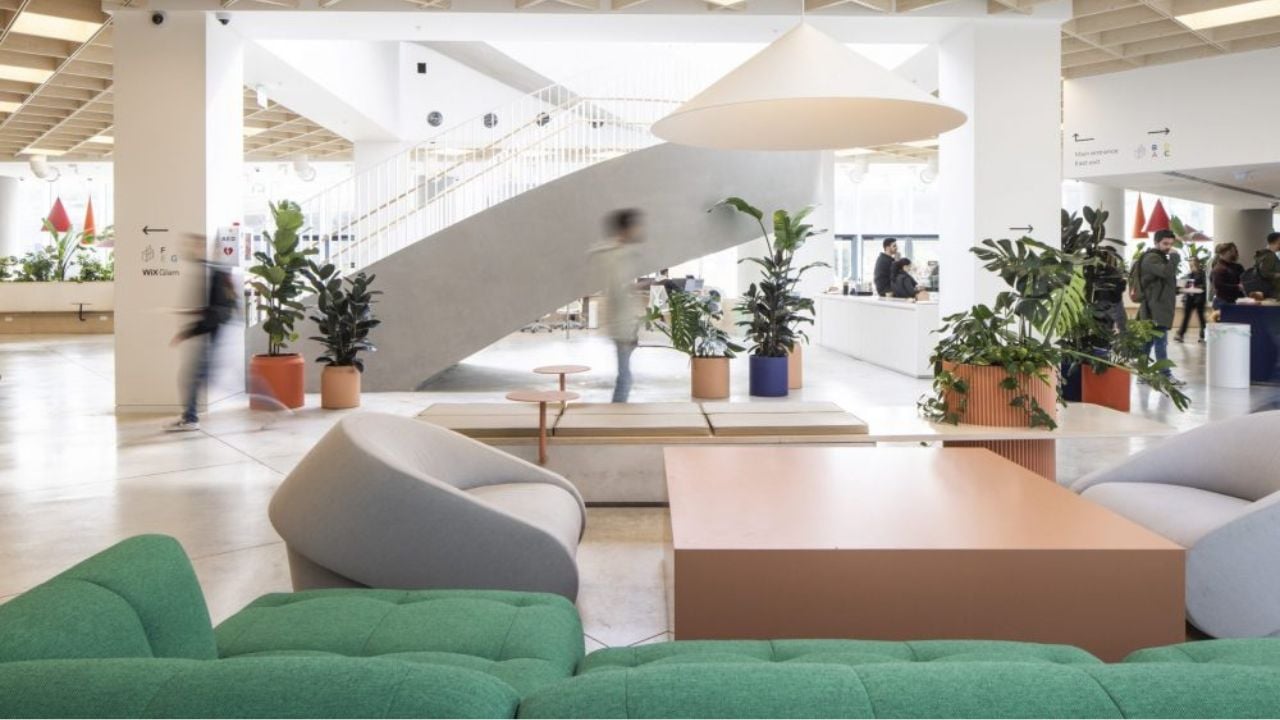
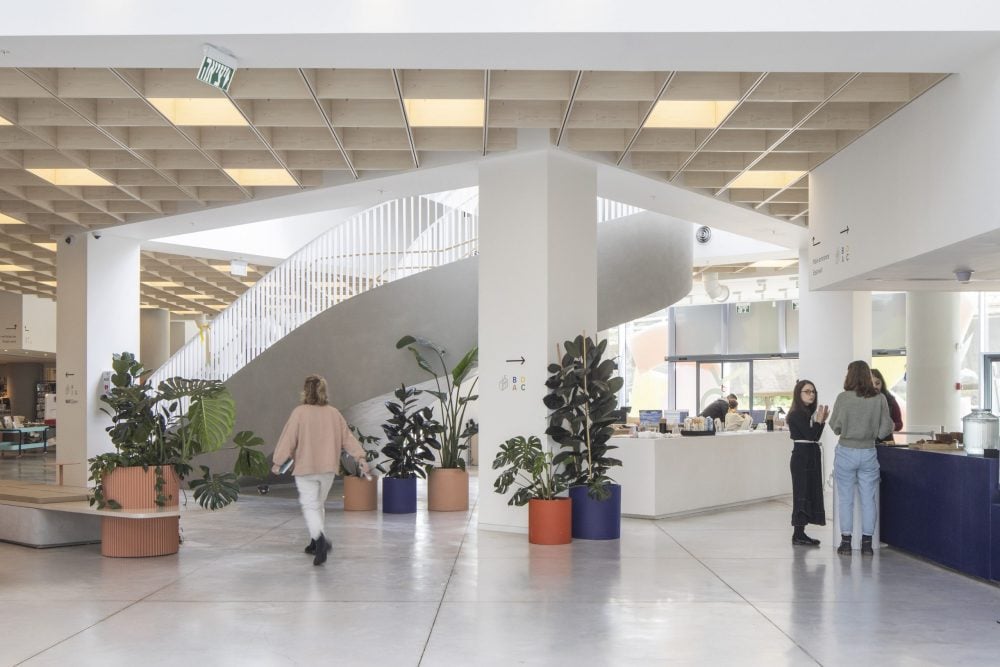
As Jordan steps into the bustling lobby, the environment can feel overwhelming — a sensory-rich space filled with sights, sounds, and the hum of conversations. For someone like Jordan, this initial experience can set the tone for their day.
To ease this transition, thoughtful wayfinding is essential. With clear, well-placed signage, Jordan easily navigates toward the security checkpoint and turnstiles, minimizing confusion. Wide turnstiles and pathways that allow for smooth passage, even with a backpack or items in hand, reduce stress, and prevent awkward maneuvering.
Beyond tangible design elements, flexible working policies offer another solution. By enabling employees to adjust their schedules and avoid the lobby during peak times, organizations can help reduce congestion and create a calmer, more accessible space for everyone.
This combination of thoughtful design and strategic workplace policies ensures Jordan can arrive at their destination with ease, ready to focus on what’s ahead.

The Kitchenette: The Balance Between Stimulation and Calm
Jordan heads to the kitchenette for a coffee, an experience that can feel overstimulating if the space isn’t thoughtfully designed.
Sensory-friendly adjustments are essential to creating an inclusive environment that everyone can enjoy. For instance, compact setups where people crowd around shared equipment can feel overwhelming.
By offering accessible options — such as a single-touch coffee machine for quick grab-and-go use in one area and a more hands-on, barista-style station in another — the kitchenette can cater to a range of preferences, allowing Jordan and her peers to choose the experience that best suits their needs.
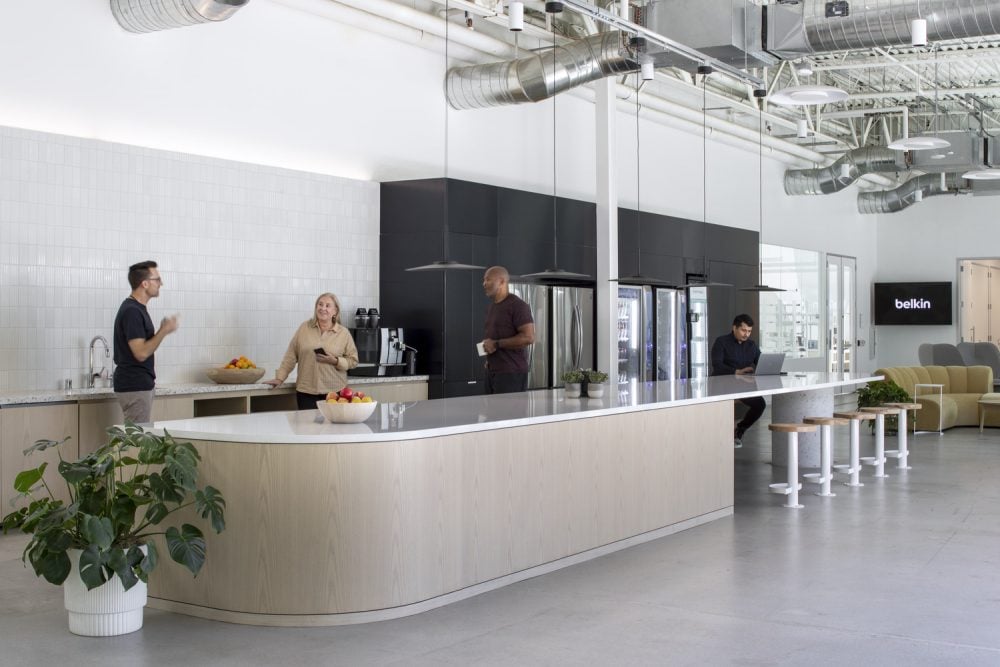
A practical, accessible layout can further enhance the kitchenette experience. In many office kitchenettes, appliances are crowded together or placed on high shelves, posing challenges for individuals like Jordan, who experience visual-spatial processing difficulties. Navigating tight spaces and reaching high for essential items can be physically taxing.
A thoughtfully designed layout, with items within easy reach — such as cups stored at counter height and bins placed nearby — reduces strain and improves accessibility, allowing Jordan to prepare their coffee with ease.
In larger workplaces with capacity for multiple coffee stations, designing spaces to encourage specific behaviors can further support diverse needs.
One station might foster interaction and energy, with social settings that invite mingling and collaboration. Another, intentionally quieter space, could be acoustically treated, tucked away, and free of seating or other features that encourage group gatherings.
This thoughtful differentiation ensures that employees like Jordan can find environments that suit their sensory and social comfort levels.
The Workstation: Creating a Customizable Comfort Zone
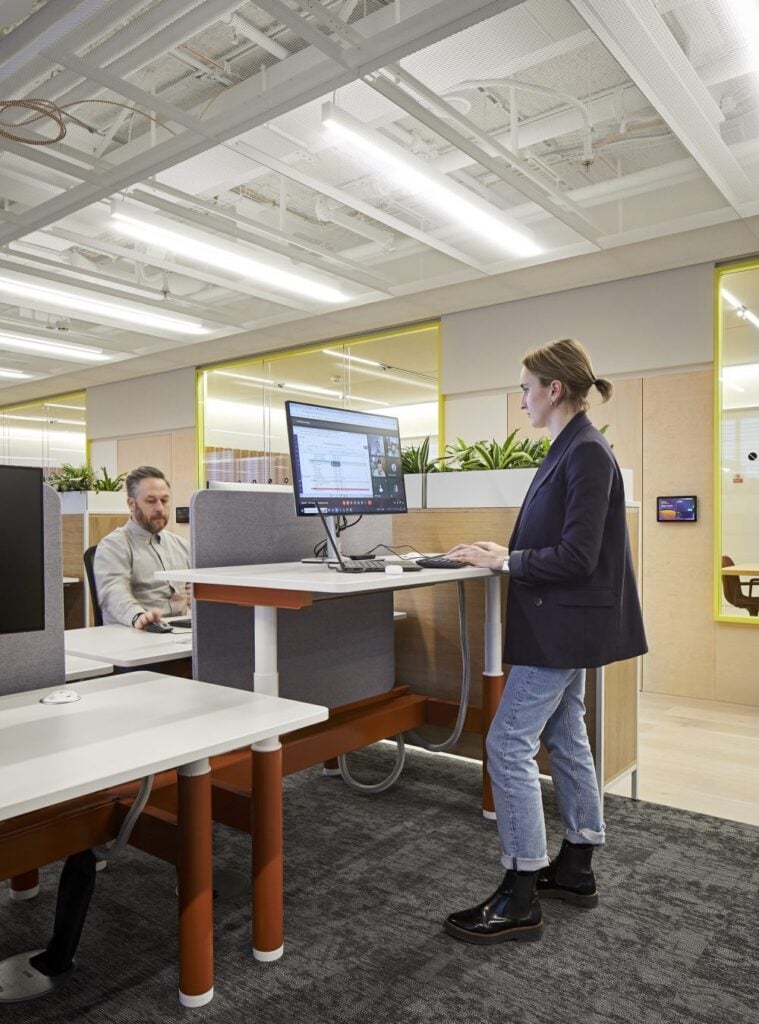
After settling into their workstation in a quieter corner of the open floor plan, Jordan appreciates the calm and organization of their workspace.
Located close enough to engage with colleagues when needed yet distanced from surrounding desks, their spot provides a comfortable buffer from foot traffic.
At their workstation, the desk and furniture feature soft corners, offering comfort and safety — small but thoughtful details that help Jordan feel more at ease navigating the space. Surrounding acoustic panels create an auditory barrier that absorbs nearby conversations and movement, allowing Jordan to focus on tasks without being distracted by surrounding sounds.
The customizable setup at their desk enables Jordan to adjust the space as needed, minimizing distractions and supporting their concentration.

The Meeting Room: Simplifying Collaboration
Jordan encounters a new set of design considerations when it’s time for a meeting. Meeting rooms with intuitive technology, like one-touch screens for video calls, alleviate the cognitive load of navigating complex systems.
For Jordan, whose working memory can be inconsistent, simple, user-friendly tech means they can focus on the meeting discussion rather than figuring out the equipment.
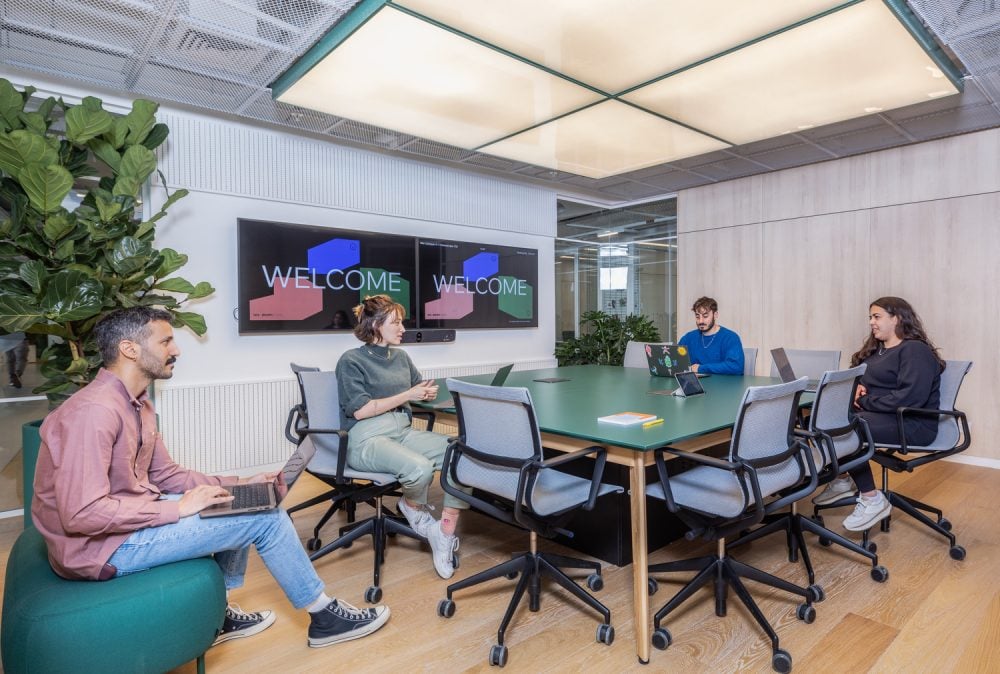
Seating and lighting are also essential in creating an adaptable, inclusive meeting space. Moveable chairs allow Jordan to comfortably adjust their seating, reducing the sense of being “blocked in” by bulky furniture.
Lighting controls offer additional flexibility, enabling the team to lower brightness levels as needed — a feature invaluable for someone like Jordan, who has light sensitivities.
However, it’s important to acknowledge that adjusting lighting can present challenges, as levels must comply with regulations for specific tasks.
Enclosed meeting rooms provide the easiest environment for implementing flexible lighting and even temperature controls, while larger or open spaces often require more creative solutions to balance adaptability with compliance.
By thoughtfully addressing these considerations, meeting rooms can support Jordan’s focus, minimize distractions, and foster a cohesive, accessible space that adapts to the whole team’s needs.
The Refuge Zone: A Place to Reset
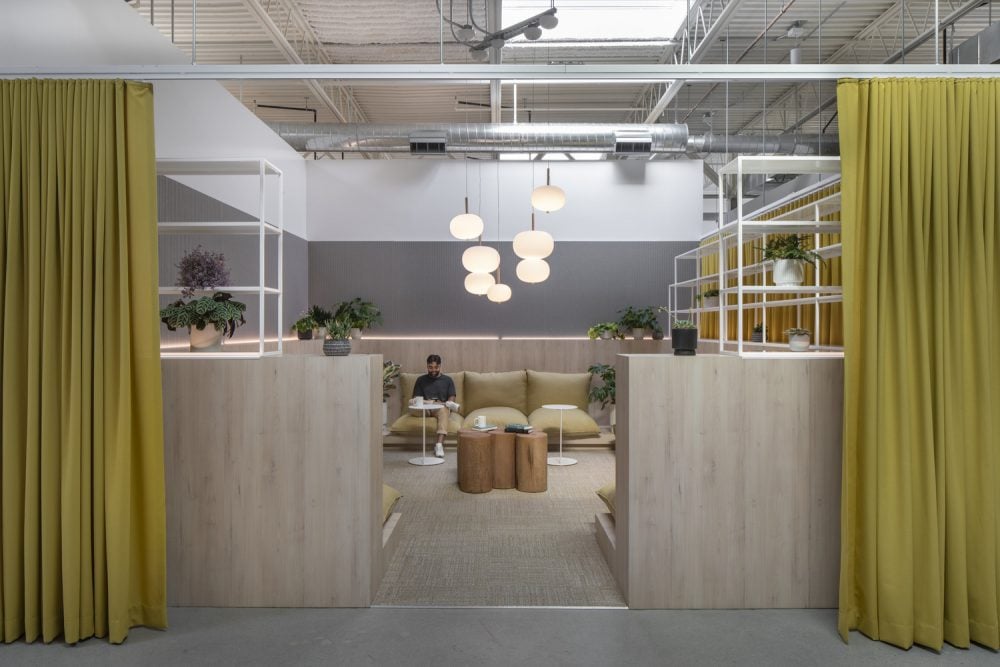
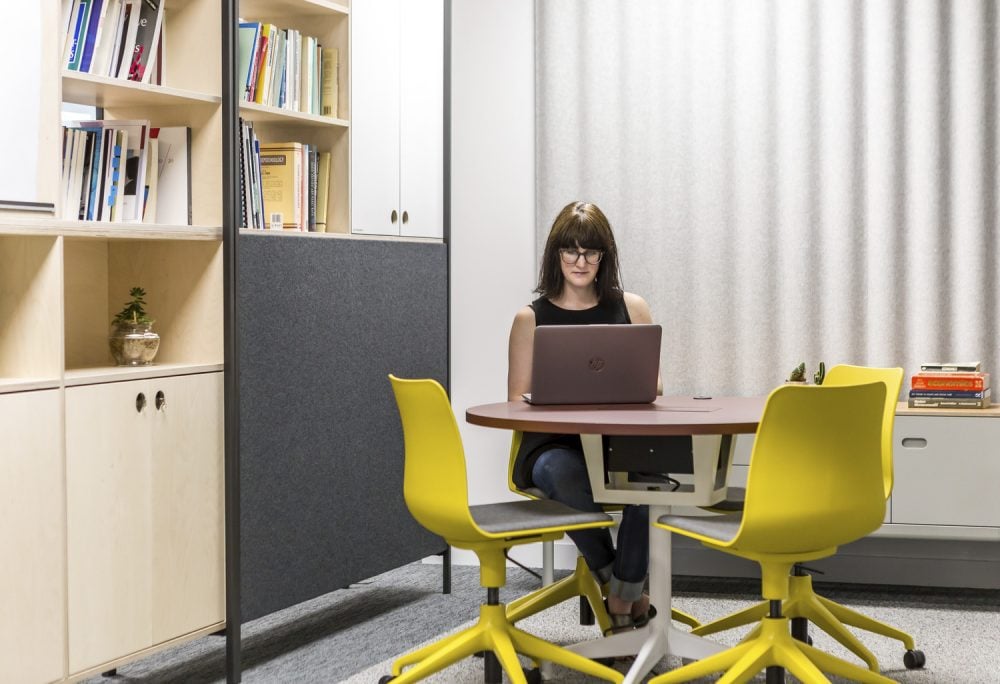
In the afternoon, after tackling various tasks and meetings, Jordan feels the need to recharge in a quiet, private space. Neurodiverse employees like Jordan often benefit from having a place to retreat and reset, away from the sensory input of the main workspace.
In this office, the refuge zone is a dedicated quiet room designed with biophilic elements — soft natural lighting, calming greenery, and a neutral color palette — to create a restorative environment.
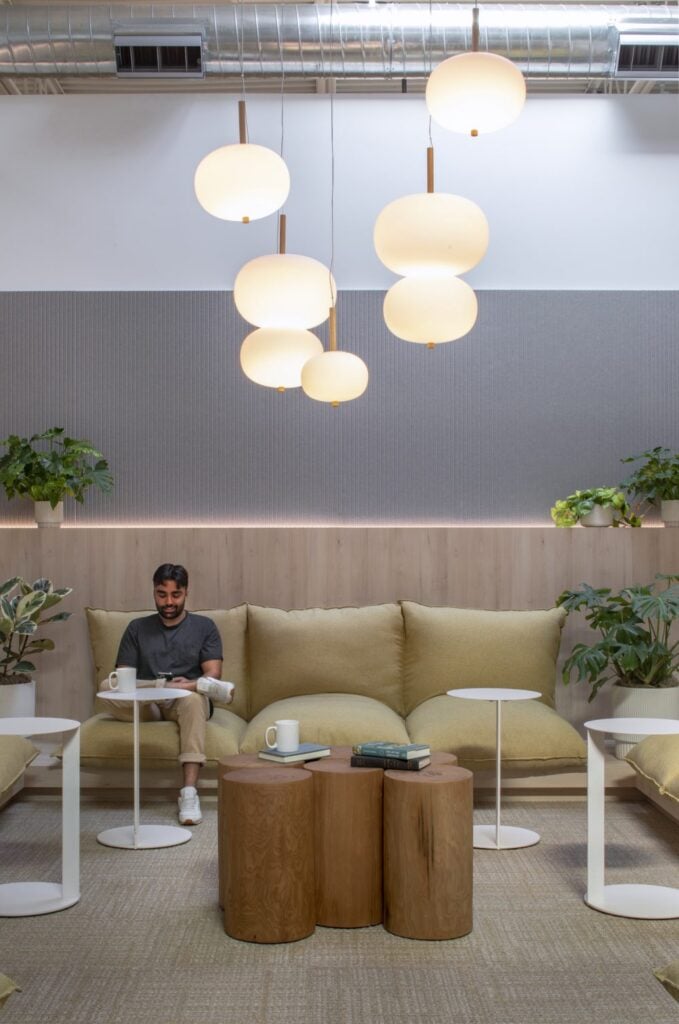
For Jordan, this area provides refuge from the high mental load that builds throughout the day. Dimmed lighting, acoustic protection, and private seating allow them to unwind and manage their energy effectively.
Sometimes, Jordan prefers to work quietly here, away from the office noise, while other times, they use it as a place to decompress. In this thoughtfully designed space, they can take a break without stepping outside the building, maximizing focus and mental well-being.
The Importance of Inclusive Design for Neurodiverse Experiences
Jordan’s journey through a typical workday underscores the role of inclusive design in the workplace. For neurodiverse individuals, navigating a high-energy, sensory-rich environment can be challenging, but intentional design solutions can transform these spaces, making them more accessible and empowering.
Creating thoughtful, flexible, and sensory-sensitive environments ensures employees like Jordan are set up for success and comfort at every turn.
At its core, inclusive design is about striking the right balance of variety, choice, and autonomy. Without autonomy, variety and choice lose their value, as employees may feel limited or overwhelmed rather than empowered.
At the same time, offering too many choices can be paralyzing, creating decision fatigue rather than providing freedom. Recognizing this complexity is critical. While many individuals thrive when given autonomy to navigate their environment, there are always exceptions.
Some individuals may struggle with decision-making due to specific needs or circumstances, and in these cases, a helpful and informed guide can be invaluable in suggesting the best possible scenario.
It’s important to understand that there is no one-size-fits-all solution. What might work for Jordan might not be optimal for someone with different neurodiverse needs. Providing diverse solutions for a wide range of individuals is paramount.
When designers prioritize inclusivity, they’re enhancing the physical workspace and fostering a culture of empathy and respect — empowering every employee to bring their whole selves to work.