



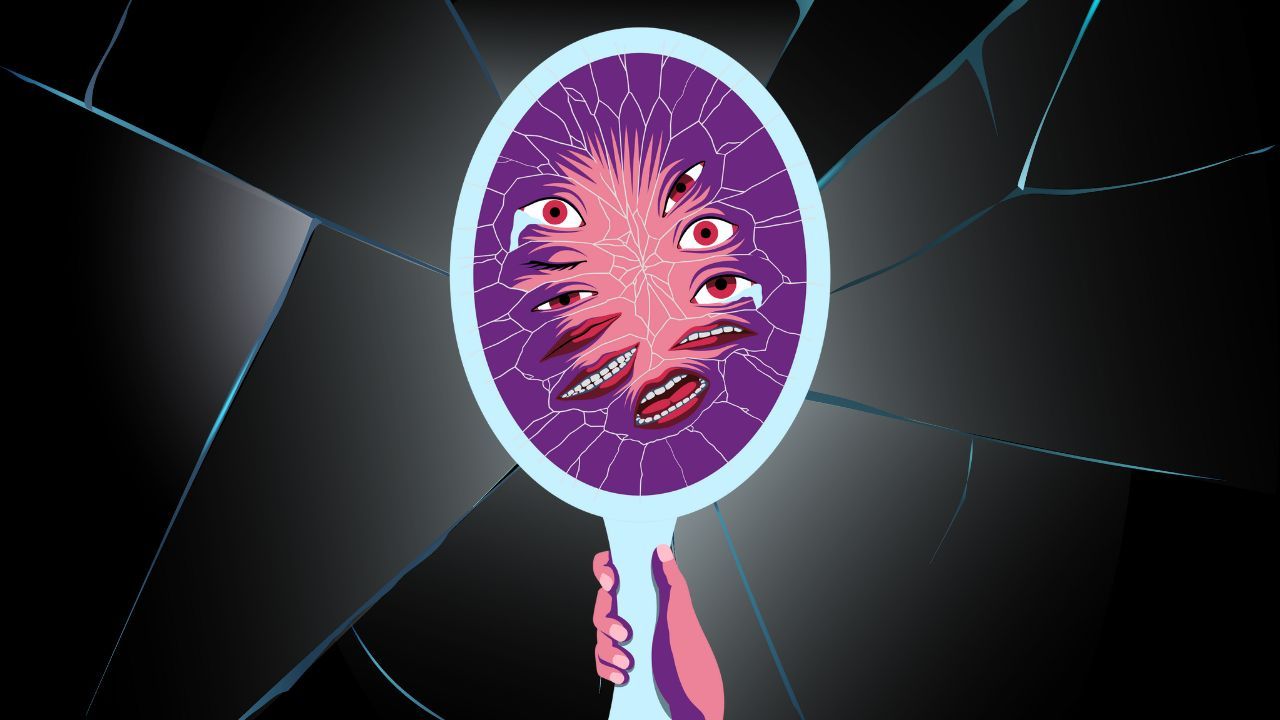
I’ll admit it: I often feel like an impostor.
That moment before a big interview or presentation — the tiny voice that whispers “Who am I to be here?” — it never really goes away.

So when I sat down on the Future Of Work podcast with Dr. Valerie Young, co-founder of the Impostor Syndrome Institute and one of the world’s leading experts on this subject, I was more than a little curious (and slightly relieved) to learn that I’m far from alone.
According to Dr. Young, studies show that up to 82% of people experience impostor syndrome at some point in their careers. Eighty-two percent! It’s practically the new normal.

Here are five things I learned from our conversation that completely reshaped how I think about self-doubt — and why it might actually be a sign you’re doing something right.
Don’t forget to watch the episode video at the bottom of this article.
1. Impostor Syndrome Is a Thought Pattern, Not a Personality Flaw
Dr. Young explained that impostor syndrome isn’t about low self-esteem or lack of confidence; it’s about how we interpret success. Many of us chalk our achievements up to luck, timing, or connections, instead of our actual skills.
That hit home. I realized how often I’ve thought, “If I could do it, how hard can it really be?” — as if competence cancels out challenge.

What I learned: Impostor feelings don’t mean we’re frauds. They mean we’re human.
Inline quote (Dr. Valerie Young)
“The people who don’t feel like impostors aren’t necessarily more capable. They just think differently.”
2. Working Alone Makes It Worse
This one stung because I work remotely most of the time.
Dr. Young told me that impostor syndrome thrives in isolation. When you’re not around others, you lose the casual validation that comes from collaboration — a compliment, a shared laugh, a quick “you nailed that.”
Without those cues, it’s easy to spiral.
Her advice? Find connection points. Coworking spaces, virtual communities, or even a recurring call with a mentor can interrupt that cycle of self-doubt.
It reminded me that confidence grows in community (not silence).
Inline quote (Dr. Valerie Young)
“When you’re working alone, whether it’s as a solo practitioner or solopreneur or you’re working remotely, I think it’s a lot easier to get in your head”
3. Even Leaders Feel Like Frauds
You’d think CEOs and top executives have it all figured out. Not quite.
A Korn Ferry study found that 71% of U.S. CEOs admit to feeling impostor syndrome. That means most of the people running major companies have, at some point, wondered if they’re qualified to be doing it.
Dr. Young said it best: “The more successful you become, the more people you think you’ve fooled.”
Leadership amplifies the stakes for self-doubt, but it can also amplify growth if you let it.
Inline quote (Dr. Valerie Young)
“You don’t have to feel confident to act confident.”

4. Don’t Wait To “Feel Ready”
This one changed how I think about action.
Dr. Young told me, “You don’t have to feel confident to act confident.” Confidence, she explained, often comes after you take the leap, not before.
That means waiting to “feel ready” is a trap. The real trick is to move forward while feeling uncertain.
For me, that’s the difference between thinking like an impostor and acting like a professional.
Inline quote (Dr. Valerie Young)
“The only way to stop feeling like an imposter is to stop thinking like an imposter.”
5. You’re Not Living an Impostor Life; You’re Having Impostor Moments
This was my favorite takeaway.
Dr. Young reframed the entire idea: “We don’t have impostor lives — we have impostor moments.”
That is powerful. It means these feelings don’t define us; they visit us. And like any visitor, they eventually leave.
Recognizing that makes it easier to let those moments pass instead of letting them take over.
Inline quote (Dr. Valerie Young)
“We don’t have impostor lives — we have impostor moments.”
The Bottom Line
Self-doubt is a sign you care about doing things well.
In the future of work, where the lines between home, office, and identity blur more every day, learning how to manage impostor moments might just be one of the most important skills we can develop.
Because if 82% of us feel this way, then maybe — just maybe — we’re not impostors at all. We’re pioneers figuring it out as we go.
Listen to the full episode:
“Breaking Free From Impostor Syndrome & Self-Doubt with Dr. Valerie Young” — available now on Apple Podcasts, Spotify, and everywhere you listen.
Recommended reads on this topic:
- Imposter Syndrome And Perfectionism Are Killing Your Career
- Why You Feel Like An Imposter, Burnt Out, And Distracted At Work — And What To Do About It
Want more expert insights like this?
Subscribe to The Future of Work Newsletter for exclusive conversations, actionable advice, and stories that help you lead — and live — with confidence.