



As health insurance costs rise at their fastest rate in 15 years, workplace experts are exploring new strategies to help offset the financial strain. One emerging solution is biohacking, a design-driven approach that leverages lifestyle and environmental changes to support physical and emotional well-being and, ultimately, reduce healthcare visits for staffers.
Biohacking focuses on optimizing biology, wellness, and performance through various interventions aimed at helping employees become their “best selves.”

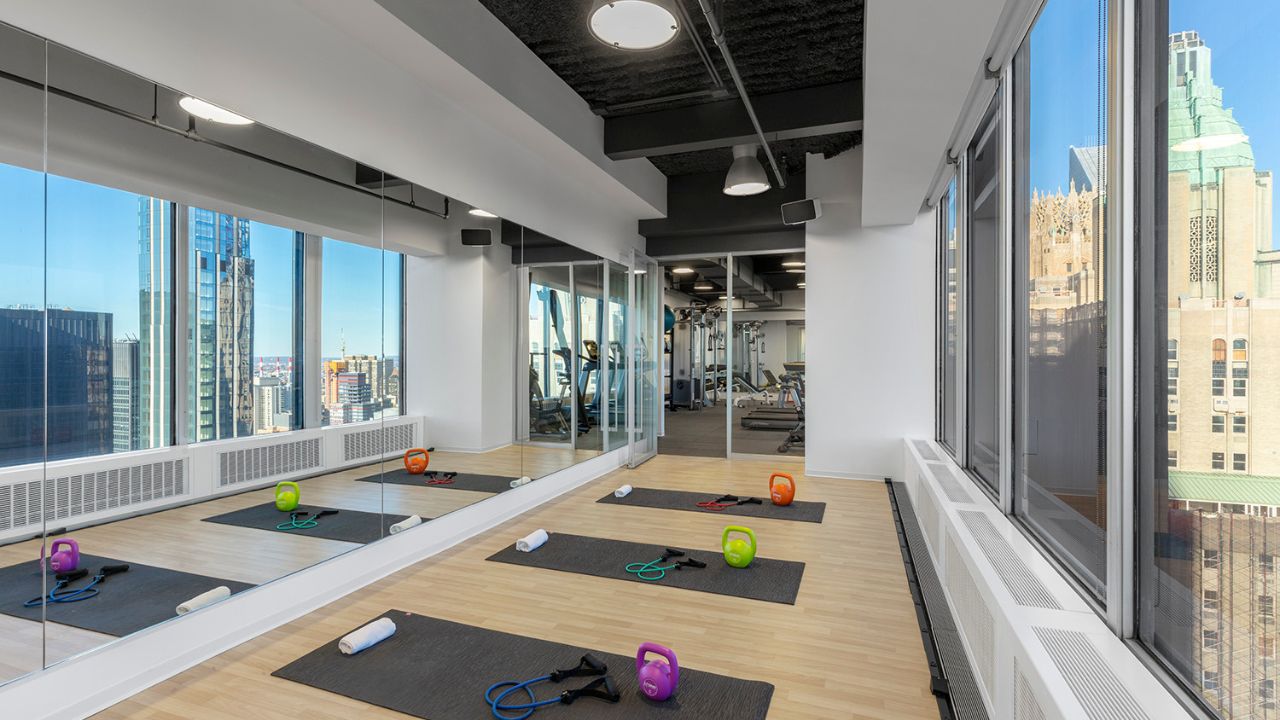
But what does this look like in practice? Biohacking can take many forms: from workspaces that encourage onsite fitness classes and maximize access to natural light to wellness programs that establish more mindful routines.
By bringing these principles to life through intentional design and employee initiatives, organizations can create environments that encourage healthier routines and benefit both employees and employers.

New Strategies for a Healthier Workforce
A key starting point for designers is addressing the physical challenges posed by sedentary work in rethinking how the environment can encourage movement, comfort, and improved posture.
Offices are embracing ergonomics and, more importantly, going beyond adjustable furniture by offering employees tools such as foam rollers and massage guns to help reduce stiffness from prolonged sitting.
The inclusion of standing desks, treadmill desks, and on-site gyms also promotes more active workdays.
Investing in mental health, which can impact both productivity and long-term health, is another strategic priority for employers. Dedicated spaces for decompression, meditation, or breathing exercises in the workplace provide employees with privacy and calm away from busy, more lively areas.
Thoughtful design elements, like acoustic-paneled walls, lighting controls, and visual privacy, help employees/staffers feel at ease and foster emotional well-being. These considerations create a supportive environment that helps all those in the space to recharge when they need it and be productive throughout the day.
Some employers have also begun promoting nutritional health through access to wholesome food and hydrating stations as a way to further integrate the ideas behind biohacking into the office culture.
Whether offered through a central cafeteria with healthy selections, a kitchen stocked with nutrient-forward snacks, or water-filling stations placed throughout the floor plan, these touchpoints reinforce better daily habits for all those working in the space.
For workspaces that may not have the square footage for a full café or dedicated dining area, some companies are offering catered meals and delivery services that promote both good nutrition and convenience.
Implementing these services requires thoughtful spatial planning, such as built-in cubbies, pickup shelves, or staging zones that integrate seamlessly into the office layout.
By blending practicality with employee-centered design, these features feel like a natural part of the workspace by enhancing healthy routines, streamlining daily workflows, and boosting overall employee satisfaction.
These areas also encourage social interaction, turning nourishment areas into hubs for connection. Together, all of these benefits and positive reinforcements create a workplace where employees feel refreshed and engaged.
Navigating Implementation Challenges
Implementing biohacking initiatives involves solving logistical challenges that require careful consideration and planning.
Decompression spaces, for example, must be easily accessible yet separate from high-traffic zones, which can be difficult to achieve in certain building and office layouts.
Rolling out healthy food services means someone needs to be responsible for organizing the menu, coordinating fresh deliveries, setting out meals, managing grab-and-go stations, and cleaning up at the end of the day.
Are there enough water lines and connection points available through the base building to support beverage stations in various locations? These offerings have to be both sustainable to maintain and easily incorporated into the existing office environment.
The integration of biohacking techniques necessitates a clear strategy from the start, striking a careful balance of employee needs with the financial and operational capacity of the company.

Even before beginning the design process, company leadership needs to have a solid understanding of employee needs to determine what choices will have the most impact.
Surveys can help identify habits, stressors, and preferences, guiding which programs workplaces can pilot, such as offering group fitness classes before investing in a full, on-site gym.
Data from employee wearables, such as smart watches and rings, can also help illustrate what pain points may be alleviated through these initiatives.
To get in front of concerns about privacy and the sharing of personal information, this kind of discovery should be prefaced with communication about how and why the data is being collected and assurance that it’s anonymous, while allowing employees to choose which metrics they are comfortable sharing.
This approach ensures that wellness initiatives are both effective and respectful of individual privacy, which can strengthen buy-in.
Designing Tomorrow’s Healthy Workplaces
Biohacking and the shift from reactive care to proactive wellness are reshaping the future of workplaces.
By championing employees’ physical and mental well-being, design strategies that tap into the ideas behind biohacking can help companies anticipate and prevent health issues while also reducing long-term healthcare costs and lowering employee turnover.
Beyond these benefits, biohacking allows work environments to better align with employees’ natural habits and workflows, rather than forcing them to adapt to rigid spaces.
This holistic approach fosters environments where employees can thrive, enhancing both their productivity and overall health.
Embedding biohacking principles into workplace design and programs gives brands the opportunity to move beyond conventional wellness initiatives. As preventive health continues to take center stage, workplaces will continue to evolve into environments that empower employees, improve performance, and strengthen organizational sustainability.
The future is an office that not only supports your work but actively helps you feel and perform better.