
Advertisements
Coworking Creators Summit 2026
Advertise
No Result
View All Result
Allwork.Space
Future of Work
Newsletters
  • Latest News
  • Leadership
  • Work-life
  • Coworking
  • Design
  • Career Growth
  • Tech
  • Workforce
  • CRE
  • Business
  • 🗣️Expert Voices
  • 🛒Product Reviews
  • 🌎Coworking Spotlights
  • 🎙️The Future Of Work Podcast
  • 🔎The Future of Work Urban Dictionary
Allwork.Space logo
Future of Work
No Result
View All Result
Newsletters
Allwork.Space
  • Home
  • News
  • Leadership
  • Work-life
  • Coworking
  • Design
  • Workforce
  • Tech
  • CRE
  • Business
  • Podcast
  • Career Growth
  • Newsletters
Advertisements
Home News

Working From Home Is Linked to Higher Birth Rates, Global Study Finds

When both partners work from home at least one day per week, lifetime fertility increases by 0.32 children per woman compared to couples who work fully on-site.

Allwork.Space News TeambyAllwork.Space News Team
March 30, 2026
in News
Reading Time: 2 mins read
A A
Working From Home Is Linked to Higher Birth Rates, Global Study Finds

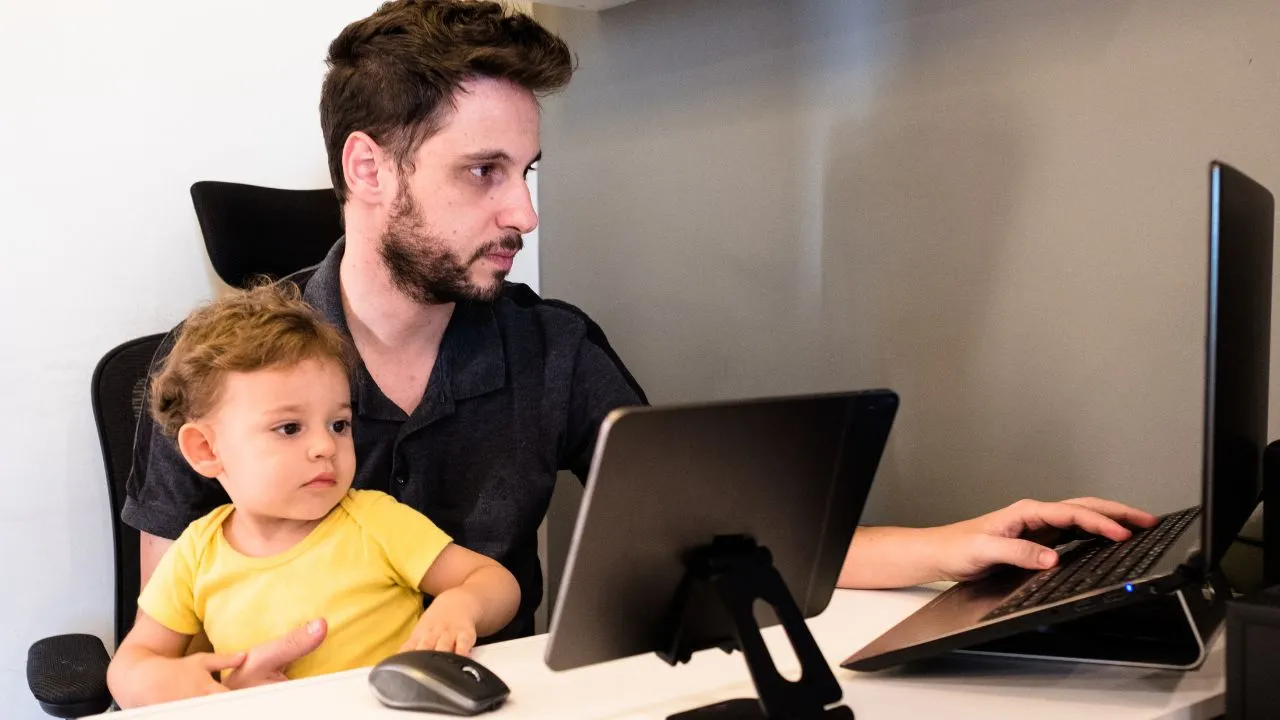
Couples with remote flexibility are having more children, tying workplace policy directly to family decisions and long-term population trends

New research suggests that working from home is influencing how many children workers have.

A study from the National Bureau of Economic Research covering 38 countries found that when both partners work from home at least one day per week, lifetime fertility increases by 0.32 children per woman compared to couples who work fully on-site.

Advertisements

In the U.S., the effect is even stronger, rising to 0.45 additional children per woman.

Among working adults ages 20 to 45, average fertility climbs from 2.26 children when neither partner works from home to 2.58 when both do.

Advertisements

Why Working From Home Matters

The data points to a clear pattern: more time at home aligns with higher birth rates. Remote work appears to make it easier to manage jobs alongside childcare, which may influence decisions to have more children.

It may also shape career choices, with some workers seeking roles that offer flexibility as they plan families.

Uneven Impact Across Countries

The effect varies widely depending on how common remote work is. Among workers ages 20 to 45, participation ranges from about 21% in Japan to 60% in Vietnam.

Countries with higher levels of hybrid or remote work see a larger potential impact on fertility, while places where working from home is less common see smaller effects.

Advertisements

A Measurable Impact in the U.S.

The study estimates that remote work could account for about 8.1% of U.S. fertility, or roughly 291,000 births per year as of 2024.

While not the sole driver, this places workplace flexibility alongside other major factors influencing birth rates.

Researchers caution that remote work doesn’t affect all workers equally. Access varies by job, industry, and preference, meaning broad mandates around workplace structure could create tradeoffs in productivity and employee satisfaction.

What It Means for Work

As companies continue to define post-pandemic work models, the findings suggest that flexibility may shape more than productivity and retention. It could also play a role in long-term demographic trends, linking workplace policy directly to population outcomes.


Advertisements
Source: National Bureau of Economic Research
Tags: Remote WorkWork-life BalanceWorkforce
Share5Tweet3Share1
Allwork.Space News Team

Allwork.Space News Team

The Allwork.Space News Team is a collective of experienced journalists, editors, and industry analysts dedicated to covering the ever-evolving world of work. We’re committed to delivering trusted, independent reporting on the topics that matter most to professionals navigating today’s changing workplace — including remote work, flexible offices, coworking, workplace wellness, sustainability, commercial real estate, technology, and more.

Other Stories Recommended For You

Workers Are Preparing For AI On Their Own As Employer Training Falls Short
News

Workers Are Preparing For AI On Their Own As Employer Training Falls Short

byAllwork.Space News Team
15 hours ago

Workers are preparing for AI while few say their employers are training them well.

Read more
66% Of Job Seekers Have Been Ghosted By Employers During The Hiring Process

66% Of Job Seekers Have Been Ghosted By Employers During The Hiring Process

15 hours ago
Jim Farley, President and CEO of Ford Motor Company, speaks at a Ford Pro Accelerate event on September 30, 2025 in Detroit, Michigan.

U.S. Needs To Fill 1.7 Million Skilled-Trades Jobs A Year Through 2035, Ford-Backed Coalition Finds

16 hours ago
U.S. Private Hiring Picks Up in September as ADP Reports 90,000 New Jobs

U.S. Private Hiring Picks Up in September as ADP Reports 90,000 New Jobs

17 hours ago
Advertisements
Advertisements

The Future of Work® Newsletter helps you understand how work is changing — without the noise.

Choose daily or weekly updates to stay current, and monthly editions to explore worklife, work environments, and leadership in depth.

Trusted by 22,000+ leaders and professionals.

2026 Allwork.Space News Corporation. Exploring the Future Of Work® since 2003. All Rights Reserved

Advertise   Submit Your Story   Newsletters   Privacy Policy   Terms Of Use   About Us   Contact   Podcast 

No Result
View All Result
  • Home
  • Latest News
  • Topics
    • Business
    • Leadership
    • Work-life
    • Workforce
    • Career Growth
    • Design
    • Tech
    • Coworking
    • Marketing
    • CRE
  • Podcast
  • Urban Dictionary
  • About Us
  • Advertise | Media Kit
  • Submit Your Story
Newsletters

Welcome Back!

Login to your account below

Forgotten Password?

Retrieve your password

Please enter your username or email address to reset your password.

Log In
This website uses cookies. By continuing to use this website you are giving consent to cookies being used. Visit our Privacy and Cookie Policy.
-
00:00
00:00

Queue

Update Required Flash plugin
-
00:00
00:00