



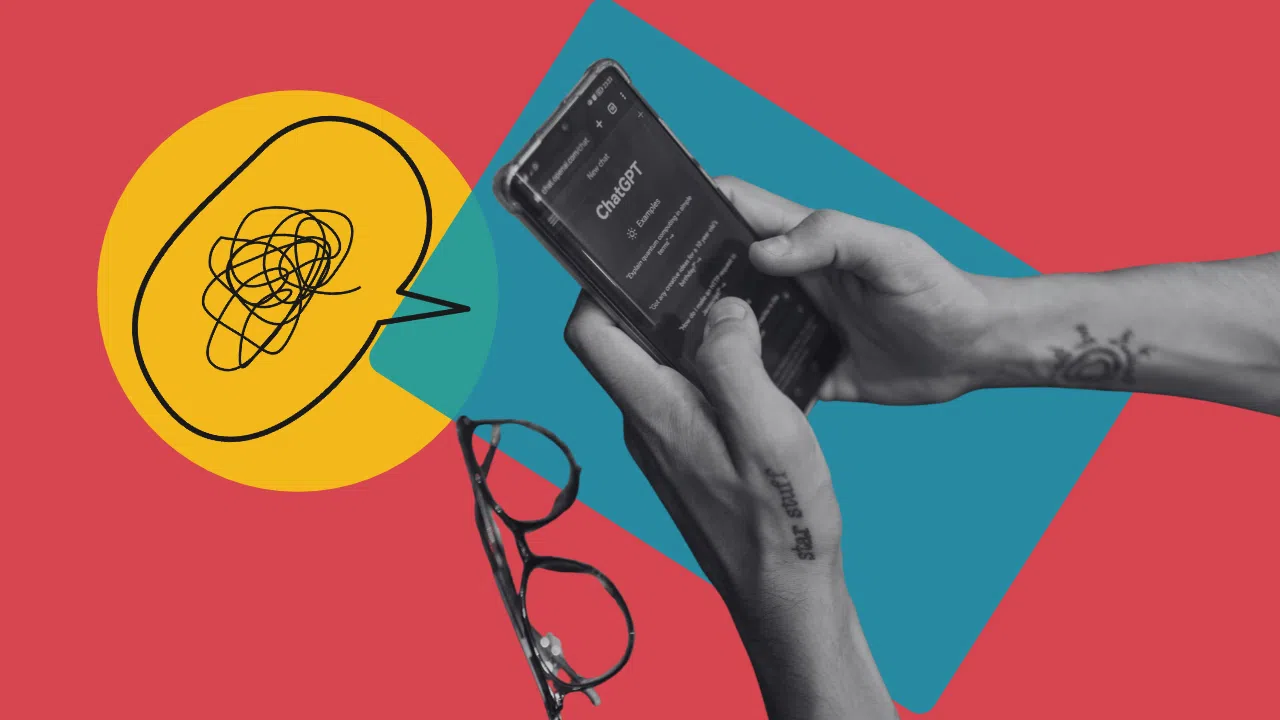
Workers who regularly speak to AI report lower stress, less exhaustion and greater confidence in their job security than those who primarily type prompts, according to a new study from Jabra.
The survey of knowledge workers across six countries found that employees who regularly speak to AI are 24% less likely to associate work with stress and 23% less likely to report exhaustion. They are also 37% more likely to say their job feels secure.

Voice AI Users Report Better Workplace Experiences
Workers who regularly speak to AI also report greater career optimism and feeling better prepared for the future of work. The study examines how employees are moving beyond typed prompts to use voice for developing ideas, solving problems and delegating tasks.
These results show an association between voice use and employee experiences. They do not establish that speaking to AI directly causes lower stress or greater job security.

AI Users Are Taking on More Work and Collaborating More
AI use has not reduced the amount of work employees report doing. Across every category measured, workers said their workload had increased over the past year. Strategic planning and analysis saw the largest increases, with 51% reporting more time spent on each. Half reported more creative work, while 49% said they spent more time on administrative tasks.
Collaboration has also increased. Forty-two percent of employees said they work more with colleagues than a year ago, compared with 13% who said they collaborate less. Among frequent AI users, 64% reported increased collaboration, compared with 25% of employees who use AI less often.
AI Training and Manager Support Vary by Seniority
The benefits of AI are uneven across the workforce. Only 18% of non-managerial employees said their work had changed significantly or fundamentally over the past year, compared with 47% of senior leaders.
Training access also differs. Sixty-four percent of non-managers had received no AI training or only a brief introduction, compared with 26% of senior leaders. Among employees who received training, 39% of non-managers said it was very or extremely relevant to their roles, compared with 76% of senior leaders.

Manager support is another factor. Employees with managers they consider capable of supporting AI use were 2.4 times more likely to use AI daily than those without that support, at 65% versus 27%. They also reported higher career optimism, averaging 8.3 out of 10 compared with 5.5.