




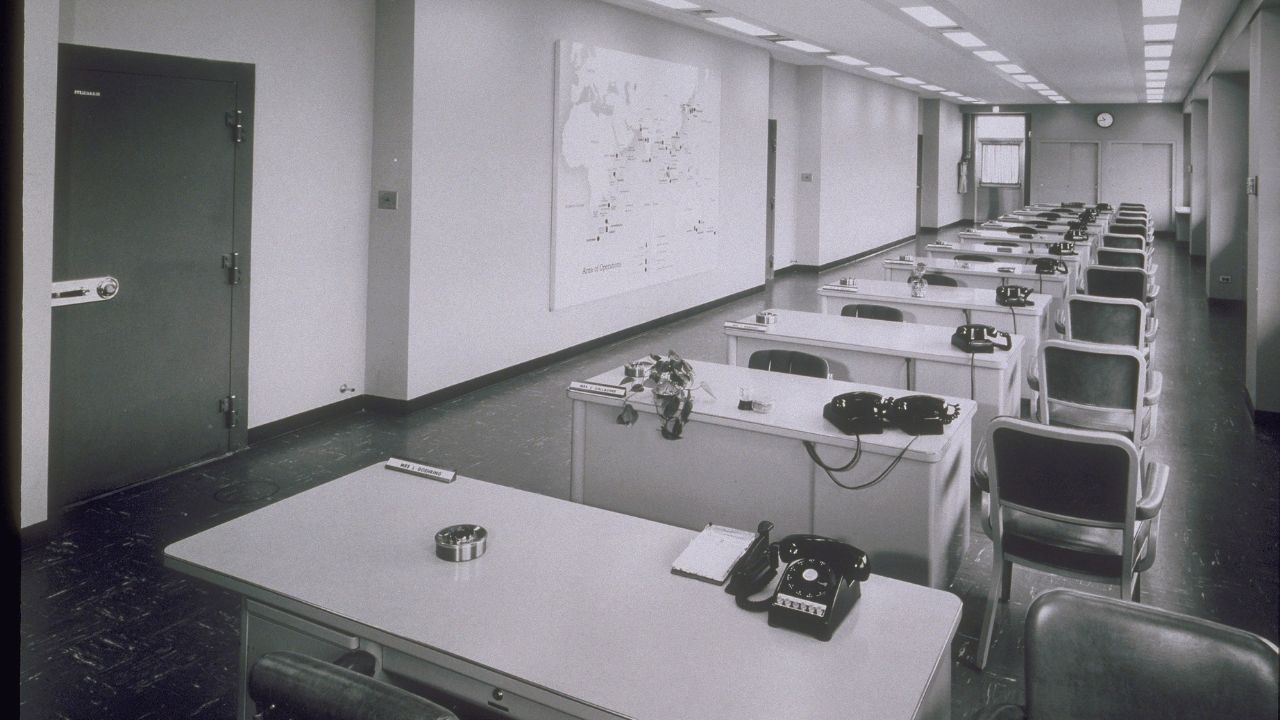
Artificial intelligence is altering far more than how employees will be productive in the future of work, it may also upend where they do the work. In fact, 51% of respondents to a new survey believing AI could ultimately render physical offices obsolete. This is based on a new research study by GoTo, entitled “The Pulse of Work in 2025: Trends, Truths, and the Practicality of AI.”
Survey Finds Majority Prefer AI-Enhanced Remote Work
While some roles still necessitate in-person work, flexible employees are highly receptive to AI tools—62% say they would favor remote work powered by AI collaboration tools over traditional office environments.

Staff widely report that AI offers increased flexibility (71%), maintains productivity from anywhere (66%), and boosts customer support effectiveness during remote operations (65%).
Tech Leaders See More Impact Than Employees Feel
There is a notable gap between IT leadership and staff perceptions. Ninety percent of IT leaders believe their organizations are using AI effectively to enable dispersed teams, yet only 53% of remote/hybrid employees agree.

Despite these differences, nearly all surveyed employees (95%) and IT executives (92%) support current or increased investment in AI solutions.
Budget Priorities Transition Toward AI Over Office Perks
AI’s appeal extends beyond functionality. Sixty-one percent of employees say investing in AI tools offers more productivity and engagement gains than providing premium workplace amenities — this belief holds even among on-site workers.
Employers may need to rethink the balance between luxurious offices and practical digital infrastructure.
AI Benefits Span All Generations
The adoption of AI isn’t limited to younger workers. A strong majority of remote/hybrid employees across all age groups agree that AI enhances productivity: 90% of Gen Z, 84% of Millennials, 71% of Gen X, and 74% of Baby Boomers report improved performance thanks to AI-driven tools.

What It Means for the Office Model
As businesses reevaluate their investment strategies, finding a balance between AI-powered experiences and office-based perks is key. For many companies, digital transformation now takes precedence over physical infrastructure.