More than five years after the COVID-19 pandemic disrupted office norms, the U.S. office market remains in flux — but it’s far from static.
Two-thirds of U.S. firms still offer flexible or hybrid work arrangements, leading to persistently low office utilization across many cities. Yet within that larger trend, pockets of growth and resilience are emerging, particularly in New York, Dallas, and Miami, where premium properties continue to attract demand and dollars, according to Commercial Cafe.

NYC Leads Leasing Surge While Nationwide Vacancy Hangs at 18.7%
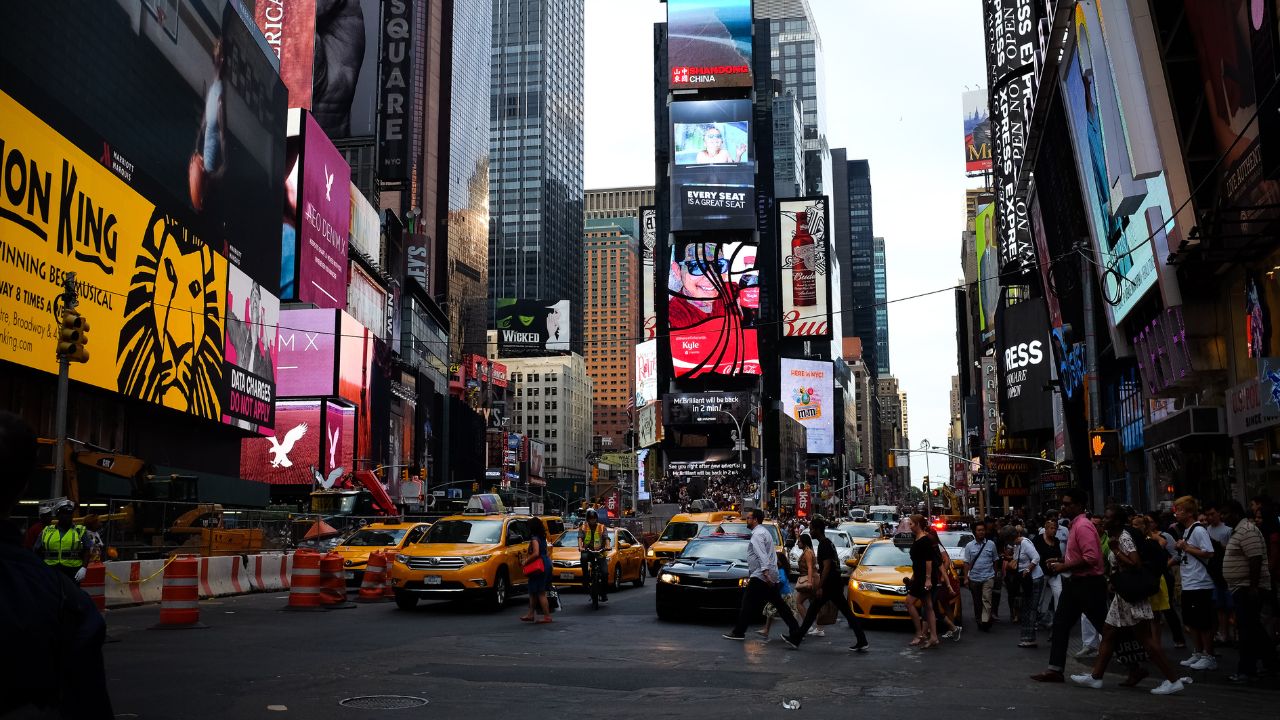
Despite national vacancy holding high at 18.7%, Manhattan has bucked the trend, recording its highest leasing activity in five years. Meanwhile, markets like Seattle and San Francisco are seeing vacancy rates of 27% and 26%, respectively, as they continue to feel the effects of remote work, tech sector downsizing, and overbuilt pipelines from the last decade.
“Flight to Quality” Keeps Premium Offices in Demand
The market continues to show a strong flight-to-quality trend. Class A, amenity-rich buildings in desirable locations are capturing a disproportionate share of leasing interest. One high-profile example: The Link at Uptown in Dallas sold for $218 million and was over 90% leased at the time — a standout in a market where average vacancy exceeds 20%.

Office Sale Prices Up Slightly Nationwide, Dallas Jumps 124% Y-o-Y
Across the U.S., office sales totaled nearly $33 billion YTD in August, with average prices rising modestly to $190 per square foot. However, Dallas defied national trends with a 124% year-over-year price increase, jumping from $107 to $240 per square foot. Miami followed closely, hitting $250 per square foot, the highest in the South.
In Manhattan, where the office market remains the country’s bellwether, office assets traded for an average of $528 per square foot — the highest in the U.S.
New Office Construction Sluggish, But Manhattan and Dallas Push Ahead
New construction remains cautious nationwide, with only 40 million square feet underway, representing less than 1% of national stock. But in markets with continued confidence in premium assets, activity is heating up:
- Manhattan broke ground on 2+ million square feet this summer.
- Dallas and West Palm Beach each saw nearly 1 million square feet in starts.
- Los Angeles, San Diego, and San Francisco remain the Western region’s most active, each with 1M+ square feet under construction.
San Francisco Still Commands the Highest Office Rents in the West
Despite its high vacancy, San Francisco leads the West in asking rents at $64 per square foot, double the national average. The Bay Area ($52), Miami ($56), and Manhattan ($68) also remain high-rent markets, showcasing the premium still commanded by top-tier urban cores.
Tech-Centric Cities See Largest Drop in Office Employment
Zooming into employment data, national office-using job growth is effectively flat at +0.1% Y-o-Y. However, tech-heavy metros like San Francisco, San Diego, and the Bay Area saw job declines of over 2%, driven by reductions in professional services and information sector roles. The post-pandemic hiring boom has reversed in many of these markets as tech firms tighten budgets and shift investment to data centers and AI infrastructure.
Midwest & Southern Markets: Affordability and Resilience
In the Midwest, Detroit and the Twin Cities offer the most affordable rents (as low as $22 per square foot) with some signs of stabilization. Chicago, while pricier and facing higher vacancy, led the region with $826 million in YTD sales, albeit at a low average price of $60 per square foot.
In the South, Washington D.C. and Dallas led sales volumes with $3.1B and $1.5B, respectively. Miami stood out as the most expensive Southern market, both for leasing and sales.
Outlook: Stability Over Surge
While a full recovery to pre-2020 occupancy levels remains unlikely, the data shows a maturing market that’s increasingly shaped by tenant priorities: location, flexibility, and quality. Cities like New York and Dallas prove that where the right product exists, tenants and investors are still willing to pay.