



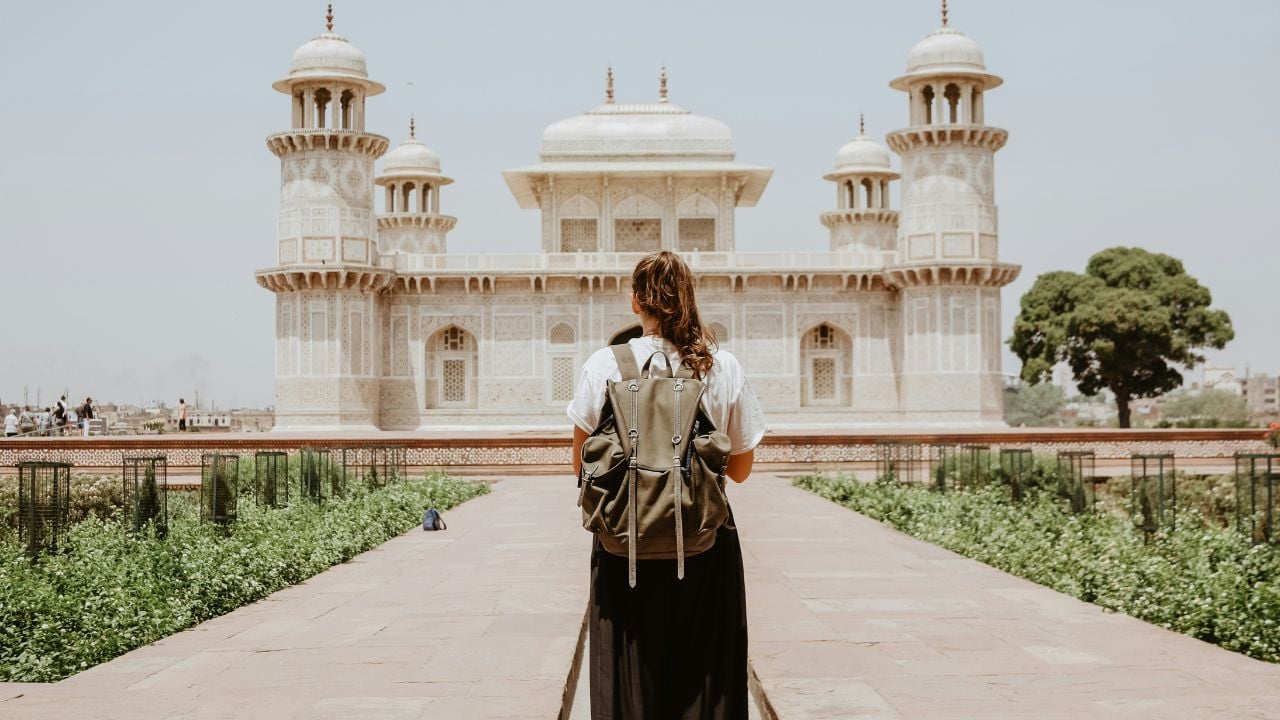
In 2024, an estimated 35 million people worldwide identified as digital nomads, with roughly 16.9 million based in the U.S. — most of them Millennials earning an average annual income of $123,500.
The digital nomad lifestyle is often portrayed as an endless adventure, with flexible work hours, exciting destinations, and the freedom to travel at will. Yet the reality is often far more complex. Behind the allure of work from anywhere lies a host of challenges that can turn what seems like a dream into a stressful experience.

While many travel guides highlight the top destinations, it is equally important to understand the risks tied to certain locations. Unreliable internet, restrictive visas, high crime rates, and cultural or social barriers can quickly undermine the promise of a seamless remote work experience.
A low-cost, scenic destination may appear ideal, but affordability does not guarantee safety, accessibility, or sustainability. By considering the counter-narrative (places to approach with caution), digital nomads can make informed decisions that balance adventure alongside wellbeing and remote work success.

Hidden Barriers for the Most Vulnerable Digital Nomads
Marie DeCosse, Founder and CEO of NOMAD Travel Groups, spoke to Allwork.Space about some of the risks and challenges digital nomads can face today. DeCosse believes that many of the toughest hurdles only surface after someone arrives in their chosen destination.
“Many digital nomads are caught off guard by infrastructure gaps and legal gray zones that aren’t obvious until they’re already embedded in a destination,” she says. “Take Italy, for example: while picturesque and culturally rich, its freelance visa process is notoriously opaque, with inconsistent enforcement and long wait times.”
“In Thailand, many nomads rely on tourist visas and visa runs; however, overstaying or misusing these visas can lead to fines or blacklisting,” DeCosse adds. “Indonesia’s second-home visa sounds promising, but it requires a hefty financial deposit and doesn’t always align with the needs of remote workers.”
These challenges are not limited to just a handful of countries. In a recent Allwork.Space podcast, Dave Bottoms — SVP of Product and GM of Marketplace at Upwork — noted that while technology allows people to work from virtually anywhere, “technology doesn’t recognize borders.”
In reality, complex tax systems, employment restrictions, and limited freelance opportunities often make sustaining remote work far more difficult than many digital nomads anticipate.
The risks are even more pronounced for women and travelers from marginalized communities. Beyond the standard considerations (internet reliability, cost of living, political stability, and healthcare), personal safety and inclusion are significantly impacted by cultural and social norms.
Limited freedoms and hostile attitudes toward women, LGBTQ+, BIPOC, and disabled travelers, for instance, can influence both the ability to work effectively and overall wellbeing.
DeCosse discussed these hostilities with Allwork.Space in further detail.
“Cultural attitudes and local norms profoundly shape a digital nomad’s experience — especially for women, BIPOC, and LGBTQ+ travelers — often in ways that aren’t visible until you’re living them,” she cautions. “In Morocco, for example, solo female travelers may face persistent street harassment, even in tourist-friendly cities like Marrakech, which can make everyday mobility feel exhausting.”
“In parts of Eastern Europe, LGBTQ+ nomads have reported needing to conceal their identity due to social stigma or lack of legal protections, despite the region’s affordability and growing coworking scene,” explains DeCosse. “And in places like Mexico or Colombia, Black travelers have shared experiences of being racially profiled or assumed to be locals rather than foreign professionals, which can affect everything from housing access to police interactions.”
These realities seldom appear in travel guides or visa brochures, and visitors from less vulnerable groups often share only their positive experiences with others.
“These dynamics aren’t always captured in travel guides or visa policies — they’re embedded in how people interact with you, how safe you feel walking home, or whether you’re welcomed into local networks…The goal isn’t to avoid these destinations entirely, but to arrive informed, supported, and aware of how identity intersects with place,” says DeCosse.
Destinations Where Digital Nomads Can Face Obstacles
Challenges in some countries only surface once nomads have reached their destination and settled in. According to Marie DeCosse, places that look ideal on paper — such as Indonesia, Brazil, Ecuador, the Bahamas, and Bermuda — often present hidden complications that can make everyday life and work more challenging than expected.
“Bali, Indonesia, is a prime example. It’s visually stunning and has a strong nomad community, but the infrastructure hasn’t kept pace with demand,” says DeCosse. “Traffic congestion, frequent power outages, and inconsistent Wi-Fi outside of major coworking hubs can make daily work frustrating.”
Similarly, Tulum, Mexico, is a hotspot where glossy images mask long-term challenges. Internet reliability, rising costs, and limited healthcare can undermine its appeal.
In Lisbon, a thriving startup culture and high quality of life attract many nomads; yet, overtourism, inflated rents, and complex tax and visa regulations add significant pressure.
Medellín, Colombia, offers affordability and a mild climate, but also has banking restrictions, safety concerns in some neighborhoods, and patchy residential internet.
DeCosse also highlights Brazil, where high urban crime rates and unreliable internet can affect both safety and productivity.
When it comes to visas, some countries are less accessible than others. Combined with additional barriers, this complicates remote work for digital nomads.
For instance, Barcelona has excellent infrastructure but is hampered by stringent visa policies and elevated living costs.
Ecuador’s digital nomad visa excludes many nationalities and is plagued by a slow approval process.
Meanwhile, the Bahamas and Bermuda admit digital nomads, but offset that openness with exorbitant expenses and inconsistent internet connectivity.
However, as DeCosse notes, these destinations are not truly “off-limits.” Rather, they require meticulous planning, as success depends on looking beyond the beaches and enticing headlines to thoroughly assess the realities of infrastructure, affordability, and daily security.
Some destinations are widely regarded as unsuitable for digital nomads due to systemic instability, safety concerns, or restrictive laws. Venezuela, for example, struggles with hyperinflation, power shortages, unreliable internet, and ongoing security risks. Similar issues — from crime to weak infrastructure — are reported in parts of Central America, urban South Africa, and Nigeria.
Yet, despite these challenges, such regions can still draw seasoned nomads, as pockets of relative stability often exist within them. Capital cities and economic hubs may provide more secure environments, especially for those who take extra precautions.
By connecting with expat networks, staying in central areas, and carefully reviewing visa and safety requirements, some risks can be reduced (although rarely eliminated).
Some of the Most Challenging Digital Nomad Destinations: Barriers and Solutions
| Country / Region | Key Challenges | Preparation Tips |
| Indonesia (Bali) | Traffic congestion, power outages, and inconsistent Wi-Fi (outside coworking hubs) | Research coworking options, have backup power/Wi-Fi, and connect with local nomad communities |
| Brazil | High urban crime,
unreliable internet |
Stick to safer neighborhoods, use VPNs and backup internet, and join local expat networks |
| Ecuador | Restrictive digital nomad visa, long approval processes | Verify visa eligibility in advance, allow extra time for paperwork |
| Bahamas & Bermuda | High cost of living, limited internet infrastructure | Budget carefully, test the internet before long stays |
| Mexico (Tulum, Oaxaca) | Variable internet, higher costs, and limited healthcare | Confirm connectivity, identify reliable medical facilities, and engage with local nomads |
| Colombia (Medellín) | Banking restrictions, safety concerns, and inconsistent internet | Open multiple bank accounts, research neighborhoods, and use coworking spaces |
| Portugal (Lisbon) | Overtourism, rising rent, complex visa/tax rules | Understand rules, plan housing early, and consider quieter neighborhoods |
| Spain (Barcelona) | Strict visa enforcement, high costs, and time zone challenges | Check visas, budget, and coordinate work hours with U.S. teams |
| Morocco | Street harassment and crime, limited rural connectivity | Connect with expat communities, avoid isolated areas, and confirm internet |
| Conflict Zones & High-Risk Countries (Venezuela, North Korea, Yemen, Syria, Afghanistan, Turkmenistan, Eritrea, Somalia, Libya, Chad) | Safety risks, unreliable/restricted internet, and limited healthcare | Only attempt short-term visits if necessary, stay in urban centers, and follow travel advisories closely |
Finding the Right Fit: Assessing Safety, Infrastructure, and Risks
Selecting a country for remote work requires looking beyond scenery and affordability. As DeCosse told Allwork.Space, these destinations “…require deeper vetting beyond aesthetics — especially if you’re building a sustainable remote lifestyle, not just chasing the next Instagrammable spot.”
A key part of this vetting process is balancing the cost of living alongside quality of life. An inexpensive country may involve trade-offs in safety, internet reliability, or healthcare, while more costly destinations often provide stronger infrastructure and more consistent services.
Engaging with online forums and local communities can reveal what day-to-day life truly looks like, from bureaucratic hurdles to social dynamics. Digital nomad platforms such as Nomad List or the Nomad Gate Community, and official travel advisories can also provide valuable peer-driven insights into hidden risks and practical realities.
Perhaps DeCosse’s most essential advice is as follows:
“If you’re stepping into digital nomadism for the first time, don’t start by giving up your home — start by testing locations. The biggest mistake I see is people committing to a country based on aesthetics or cost alone, only to realize the infrastructure, cultural fit, or emotional safety doesn’t support their lifestyle long-term.”
The Takeaway: Planning, Preparation, and Protection
Balancing cost, quality of life, and safety is essential for a sustainable digital nomad lifestyle. By conducting thorough research*, connecting with local and online communities, and preparing carefully, you can uncover hidden challenges and make informed decisions.
More importantly, recognizing potential risks and identifying destinations that may not suit you matters far more than choosing a location solely for its year-round sunshine or low cost of living. Taking this approach ensures a remote work experience abroad that is not only productive and safe, but truly rewarding.
* For additional guidance, U.S. digital nomads may find these resources helpful:
- U.S. State Department Travel Advisories – up-to-date safety and legal guidance
- ILGA World – insights on global LGBTQ+ rights
- Nomad List – peer-driven data on cost of living, safety, and connectivity
- Expatica – information on visas, healthcare, and banking
- Local expat groups on Facebook or WhatsApp – real-time advice from those already living in-country