
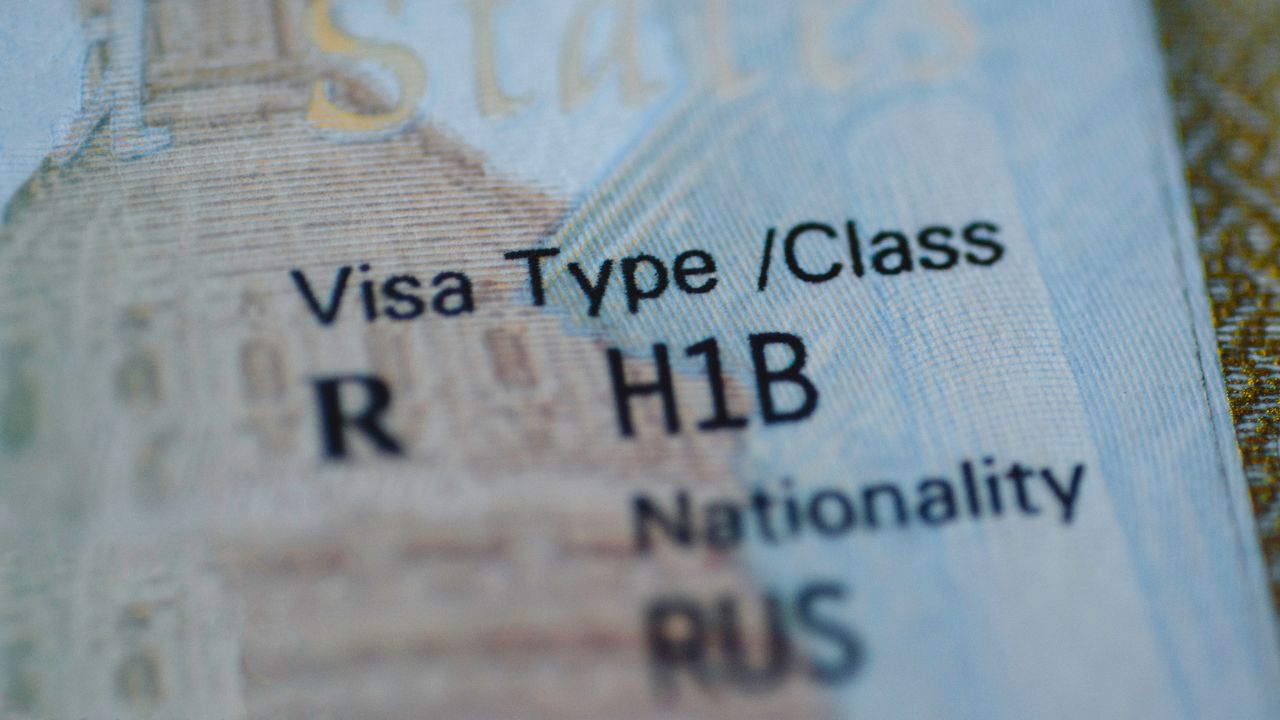
A growing number of U.S. employers are reducing H-1B visa sponsorships, creating challenges for international students seeking work. Data from Handshake shows full-time roles offering sponsorship fell from 10.9% in 2023 to just 1.9% in 2025, with tech jobs dropping to a third of last year’s level.
Policy changes, including a $100,000 application fee introduced under Trump’s administration, have discouraged companies from hiring foreign graduates, according to The Economic Times.

Tech Giants Among Those Hesitant
Major firms such as Amazon, Microsoft, and Meta have slowed or suspended international recruitment. Even with exemptions for recent graduates and workers already in the U.S., uncertainty around new rules has limited opportunities.
Indian nationals accounted for more than 70% of H-1B recipients in 2024, followed by applicants from China and the Philippines.

Market Pressures Compound Challenges
Domestic job market conditions add pressure. Unemployment among U.S. graduates aged 22 to 27 reached 5.8% in April 2025, the highest since 2021.
Employers navigating a slowing economy are cautious about sponsoring international talent, further narrowing prospects.
Universities Face Enrollment Declines
Several U.S. universities report fewer international applications. Columbia University noted a drop in submissions due to stricter visa rules and reduced research budgets.
Analysts estimate continued declines could cost U.S. universities up to $7 billion in revenue and over 60,000 jobs by 2025.
The Outlook for International Talent
Tighter H-1B sponsorship, policy uncertainty, and cautious hiring practices are reshaping opportunities for skilled foreign graduates. Experts warn these trends may reduce the U.S.’s attractiveness for international talent and limit the future workforce pipeline in high-demand sectors.