For decades, workplace bonding revolved around a familiar formula: team lunches, coffee breaks, and the occasional happy hour. But as workplace culture evolves, a very different kind of social activity is emerging among colleagues — one that blends wellness, aesthetics, networking, and flexibility.
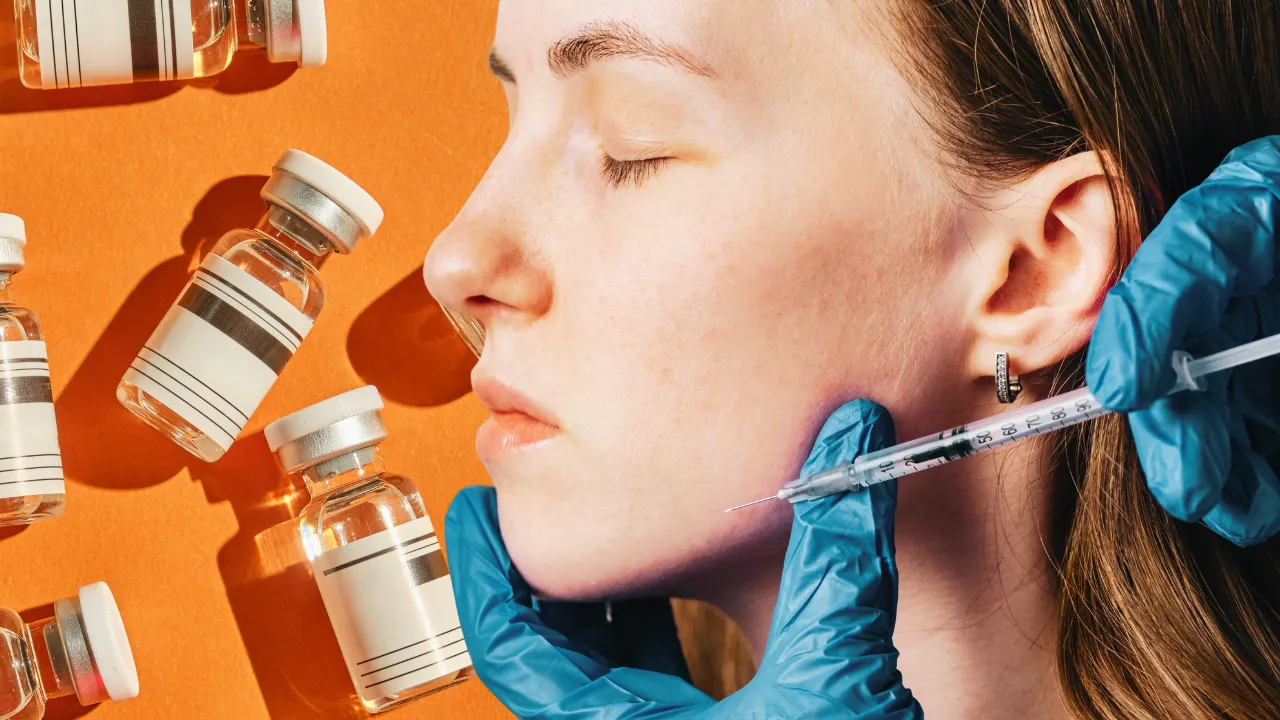
Increasingly, coworkers are booking Botox appointments together.

What might once have been considered a private cosmetic procedure is becoming a shared workplace experience. From real estate teams and healthcare workers to professionals in design, media, and client-facing industries, groups of colleagues are visiting aesthetic clinics together, turning injectable treatments into a new form of social connection.
The New Happy Hour
As alcohol consumption declines and employees seek healthier ways to socialize, traditional workplace gatherings are facing competition from a growing range of wellness-focused activities.

Fitness classes, recovery sessions, meditation events, and saunas have all gained popularity as alternatives to drinks after work. Cosmetic treatments are now joining that list.
Some aesthetic providers report rising demand for group bookings from workplace teams, often offering discounted treatments, lounge spaces, refreshments, and networking-friendly environments designed to encourage social interaction, according to Business Insider.
In some cases, employees visit together after work. In others, they schedule appointments between meetings or use clinic lounges as temporary workspaces before undergoing treatments.
The appeal is not necessarily the procedure itself. Rather, it is the social experience surrounding it.

What was once considered a personal beauty decision has become a workplace conversation.
Why Workplace Aesthetics Are Becoming Mainstream
The normalization of aesthetic treatments has accelerated rapidly over the last several years. 10 million Americans received wrinkle-relaxing injectables, including Botox, in 2024.
This may be for good reason; studies have found that professionals perceived as more polished or conventionally attractive often receive advantages in areas such as pay, promotions, and performance evaluations.
Social media has made cosmetic procedures more visible, while celebrities, influencers, and public figures have become increasingly open about the treatments they receive. As a result, Botox and similar procedures carry far less stigma than they once did.
For many professionals — particularly those in client-facing roles — the distinction between professional image and personal wellness is also becoming less defined.
In industries where visibility matters, aesthetic treatments are increasingly viewed as routine career maintenance rather than luxury services.
What This Says About the Future of Work
The rise of workplace Botox parties is less about cosmetics and more about changing workplace culture.
As hybrid work reduces spontaneous office interactions, employees are finding new ways to create connection. Team-building is becoming more personalized, voluntary, and aligned with individual interests.
Rather than gathering around a bar, employees are gathering around shared lifestyle choices.
The trend also shows just how workplace identity is evolving. Workers increasingly bring more of their personal lives into professional settings, discussing topics that previous generations often considered private. Wellness routines, fitness goals, mental health, nutrition, and aesthetic treatments are becoming normal parts of workplace conversation.
Where Employers Need to Be Careful
While the trend may appear harmless, it creates new considerations for employers. Unlike a social outing or fitness class, aesthetic treatments involve medical procedures and personal health information. Organizations that sponsor or organize these events must be careful about safety, consent, and inclusivity.
Medical information disclosed during treatments also introduces potential privacy concerns that do not exist with more traditional workplace events.
As a result, many organizations may decide that aesthetic experiences are best left employee-led rather than employer-sponsored.
A Sign of a More Personalized Workplace
The emergence of Botox bonding sessions may sound unusual, but it points to a larger workplace reality. The future of work is becoming increasingly individualized as employees choose their own schedules, design personalized career paths, and seek social experiences that reflect their interests rather than traditional corporate norms.
That same personalization is now showing up in how colleagues connect. The modern workplace is no longer defined solely by where people work, and is instead being increasingly molded by how they build relationships, maintain well-being, and express identity.
For some teams, that still means meeting for drinks after work.
For others, it could mean getting Botox between meetings.