- Imposter syndrome affects 82% of people, leading to self-doubt and overwork.
- Burnout is an epidemic, impacting 76% of employees, causing exhaustion and disengagement.
- Experts recommend adopting a “humble realist” mindset, taking proper rest, and scheduling focused work time to address these issues.
When you’re at work, one moment you can feel fired up about your job, ready to take on the world.
But in the next, you’re drowning in self-doubt, mentally exhausted, and unable to focus for more than a minute without your attention scattering in a hundred different directions.

Sound familiar?
You’re not alone. This isn’t just an individual issue—it’s a workplace crisis.

Three out of four employees experience burnout, while 82% of people report feeling imposter syndrome at some point.
The modern world of work is pushing people into a cycle of imposter syndrome, burnout, and digital distraction, and the worst part?
Most of us don’t even realize these things are interconnected.
I spoke with three leading experts — Dr. Valerie Young, Dr. Saundra Dalton-Smith, and Dr. Gloria Mark — to break down why so many of us feel this way and, more importantly, what we can do about it.
You’re Not an Imposter — But Your Brain Thinks You Are
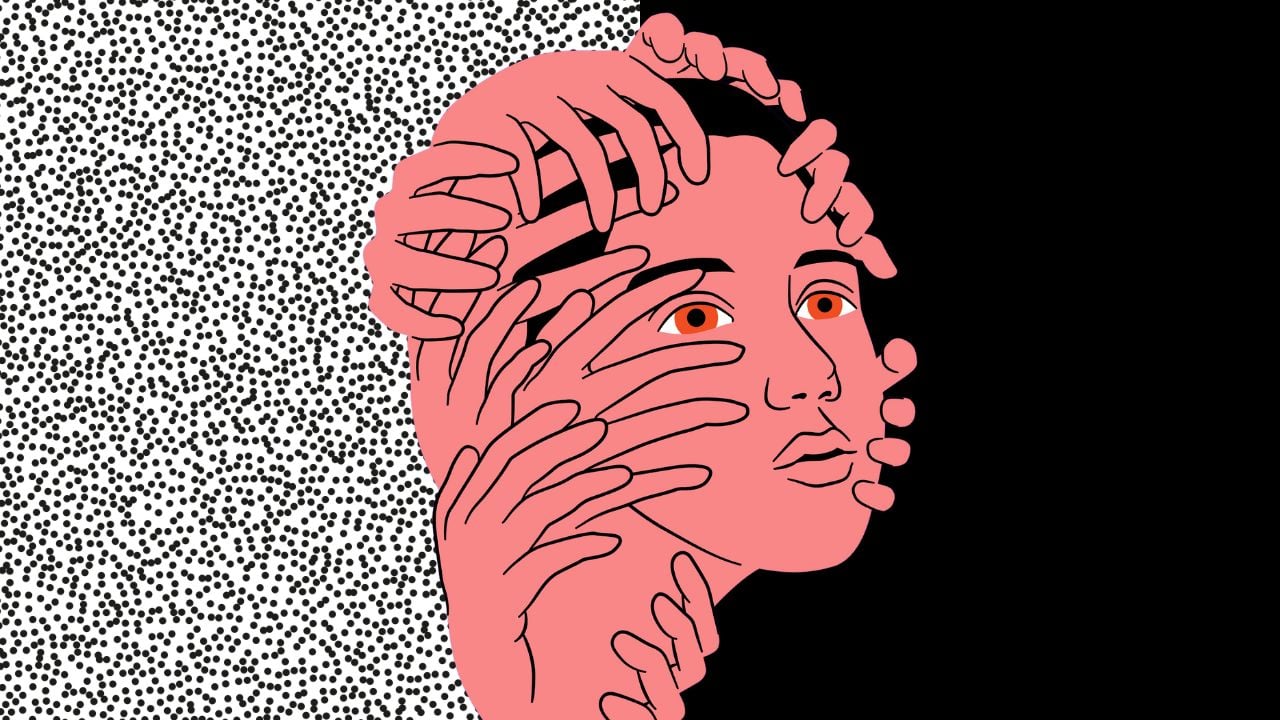
When you hit a career milestone, land a promotion, or finally achieve something you’ve worked for, it can feel more natural to — instead of celebrating — spiral. I got lucky. I fooled them. Someone else deserved this more.
That’s imposter syndrome talking, and, according to Dr. Valerie Young, it’s more common than ever.
The most recent number [of people with feelings of Imposter Syndrome] that’s coming out of academic research is 82%
“The most recent number [of people with feelings of Imposter Syndrome] that’s coming out of academic research is 82%,” explains Young, co-founder of the Impostor Syndrome Institute. “But also, keep in mind that people are on a spectrum, a range of how intense these feelings are.”
The problem? Imposter syndrome doesn’t just exist in your head — it changes how you behave.
It can make you overwork, procrastinate, or avoid opportunities entirely because you don’t feel “good enough.” And in remote or hybrid work environments, where validation is harder to come by, these feelings tend to intensify.
“When you’re working alone, whether it’s as a solo practitioner or solopreneur or you’re working remotely, I think it’s a lot easier to get in your head,” says Dr. Young. “You don’t necessarily have somebody there to bounce ideas off of or get perspective or get feedback.”
So, how do we break the cycle? According to Dr. Young, we need to stop thinking like imposters.
“The only way to stop feeling like an imposter is to stop thinking like an imposter,” Dr. Young says. “And we do that by learning how to adopt the mindset of a humble realist.”
In other words: Recognize your skills and your limits. No one excels at everything, and that’s okay.
Burnout is the Cost of Caring
If imposter syndrome makes you overwork, burnout is what happens when you never stop. And right now, it’s a workplace epidemic.
A recent Gallup analysis found that 76% of employees experience burnout at least occasionally, and those who regularly suffer from work burnout are 63% more likely to take a sick day and 23% more likely to visit the emergency room.
Additionally, employees who often experience burnout are 2.6 times more likely to be actively looking for a new job.

“Burnout isn’t just about being tired; it’s about prolonged stress that has gone unaddressed for too long,” says Dr. Saundra Dalton-Smith, a Board-Certified internal medicine physician who is an international well-being thought-leader.
“It’s when work no longer feels meaningful, and exhaustion becomes the norm rather than the exception,” she added.
Dr. Dalton-Smith points to three main signs of burnout:
- Constant fatigue: you’re always drained, no matter how much sleep you get
- Disconnection from your work: you no longer enjoy the things you once did
- Declining performance: you’re physically at work but mentally checked out
She also highlights a key problem: burnout disproportionately affects the most engaged employees, which makes a lot of sense.
“These are the people who are passionate, dedicated, and fully invested in their work — until they suddenly can’t be anymore,” she explains. “Employees can’t get burnt out if they don’t actually care about the job.”
So what’s the solution?
According to Dr. Dalton-Smith, If you’re feeling exhausted, your burnout might not be from overworking — it might be from under-resting in the right ways.
Rest is more than just sleep. She describes seven types of rest we all need, from mental and creative rest to social and emotional rest. Adding more of each type of rest into your week could dramatically change your productivity.
Your Attention Span is Destroying Your Productivity
Even if you manage to keep imposter syndrome in check and avoid burnout, there’s one more obstacle in the way of success: attention fatigue.
“I started measuring attention spans on screens 20 years ago, and we found them to average about two and a half minutes,” says Dr. Gloria Mark, Chancellor’s Professor Emerita at the University of California, a leading researcher on attention spans and digital habits. “And that shocked me at the time because I thought, wow, that’s pretty short. But it really surprised me that after 20 years, people average 47 seconds.”
This isn’t just about scrolling through TikTok too much. Constant task-switching has real consequences:
- You make more mistakes.
- You take longer to finish tasks.
- Your stress levels spike.
“There is a Japanese expression, Yohaku no bi (余白の美), which means the beauty of empty space,” Dr. Mark explains. “The best way to do more is to allow ourselves to pull back for a period of time and do less.”
“The best way to do more is to allow ourselves to pull back for a period of time and do less.”
The key to focusing effectively is to work with your brain, not against it. Dr. Mark suggests three steps to take:
- Identify your peak focus hours (for many people, it’s 10 a.m. to noon) and schedule deep work then.
- Take intentional breaks (20 minutes in nature has been shown to restore attention).
- Turn off notifications and set clear boundaries for focus time.
What This Means for the Future of Work
Imposter syndrome is holding talented people back.
Burnout is draining the most engaged employees.
Attention fatigue is making us less productive, not more.
If these three experts agree on one thing, it’s this: The way we work has to change.
The future of work isn’t about working harder or longer — it’s about working smarter. That means challenging outdated workplace norms, prioritizing real rest, and restructuring our workdays to align with how our brains actually function.
So if you’re feeling overwhelmed, ask yourself: Is this imposter syndrome, burnout, or attention fatigue? Then, use the right strategies to fight back.
Listen to the experts mentioned in this article on the Future of Work Podcast and subscribe to the Future of Work Newsletter for more actionable tips and trending insights.
- Reclaiming Your Focus in a World Designed to Distract You with Dr. Gloria Mark
- Three Signs You’re Burnt Out With Dr. Saundra Dalton-Smith
- Breaking Free From Impostor Syndrome & Self Doubt with Dr. Valerie Young