


A new TalentLMS survey shows a growing gap between how safe employees feel at work and what they actually experience day to day. While most U.S. workers say their employer protects them, misconduct remains widespread, reporting often goes nowhere, and accountability appears uneven.
The findings point to a workplace protection system that exists on paper, but frequently breaks down in practice.

A Wide Gap Between Perception and Reality
According to the research, 71% of U.S. employees say they feel protected at work. But only 38% report not witnessing any form of misconduct, and just 44% say they haven’t experienced it themselves.
That disconnect suggests protection is inconsistent and often conditional.

When incidents are reported, outcomes vary sharply. Only 27% of employees who spoke up say action was taken. Another 16% reported misconduct but saw no response at all, while a quarter never reported what they saw or experienced.
What Misconduct Looks Like on the Ground
The most common issues aren’t headline-grabbing scandals, but everyday behavior that erodes trust:
- Incivility and disrespect were witnessed by 36% of employees and experienced by 33%.
- Professional or social exclusion affected roughly one in four workers.
- Retaliation for speaking up was seen by 25% and experienced by 21%.
More serious violations are less common but still significant. Around 15% of employees say they’ve witnessed physical threats or intimidation, and 14% report seeing sexual harassment.
Together, the data shows misconduct is not isolated. It’s part of the regular workplace experience for many employees.

Why Employees Don’t Report Problems
The biggest barrier to reporting is lack of trust.
Among employees who stayed silent:
- 56% didn’t believe reporting would make a difference
- 36% feared retaliation
- 26% worried it would hurt their career
- 23% doubted they’d be believed
Nearly half also worry they’ll be labeled “difficult” if they speak up, reinforcing a culture where silence feels safer than escalation.
Favoritism Undermines Protection
Perceived unequal accountability is one of the clearest fault lines in the data.
- 62% of employees believe misconduct is more likely ignored when it involves high performers or leaders
- 45% say they’ve seen people promoted despite mistreating others
- 47% report managers actively discouraging escalation of harassment or discrimination complaints
For many workers, this sends a clear message: standards depend on status.
Where Employers Are Getting It Right
The picture isn’t uniformly bleak. Most employees acknowledge preventive efforts:
- 71% say their employer takes sufficient steps to prevent harassment and discrimination
- 68% say their organization supports employees during personal crises
These findings suggest many companies have policies, training, and support systems in place. The challenge is consistency and follow-through.
The stakes are high: 77% of employees say they’re more likely to leave if they don’t feel protected at work.
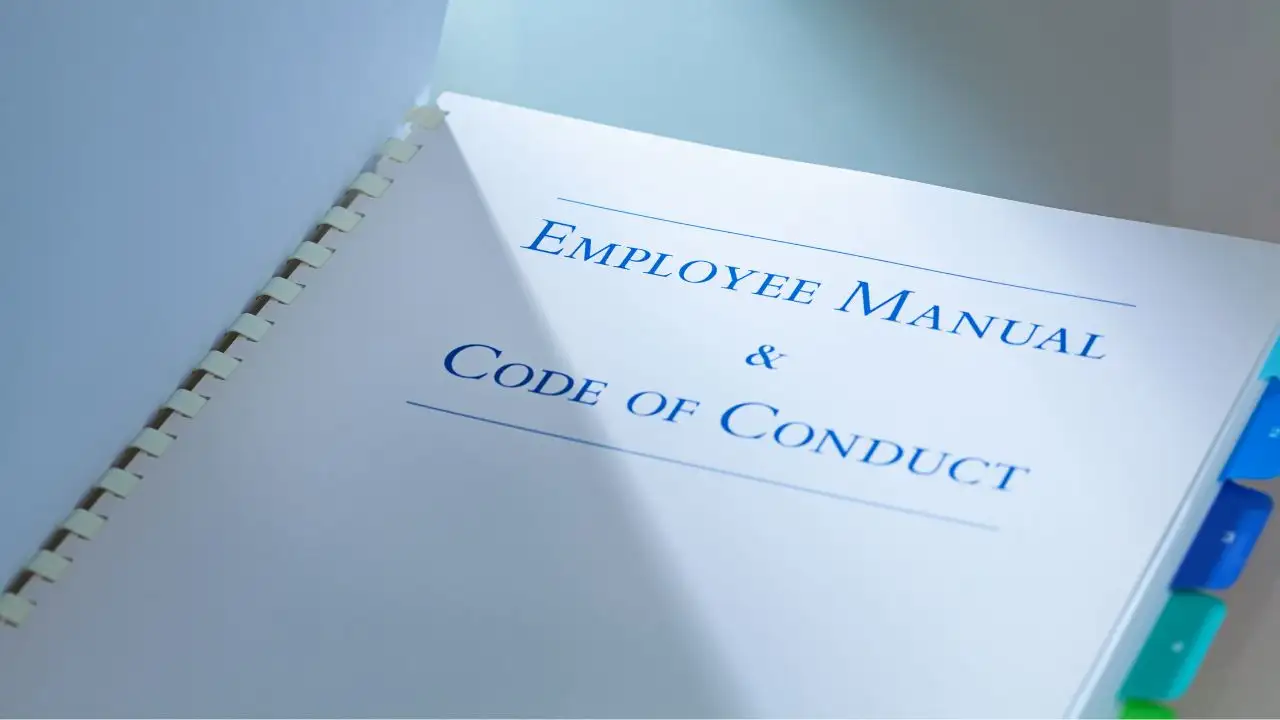
Compliance Training Helps, But Misses the Mark
Compliance training is having an impact, but it’s not fully aligned with real workplace dynamics.
- 60% say training has improved behavior
- 36% believe better training would reduce misconduct
- 45% say training doesn’t reflect real situations they face at work
Access issues also persist, with one-third reporting technical or delivery problems. Meanwhile, one in five employees received no compliance training at all in the past year.
Training coverage is strongest for safety issues and weakest for behavior-driven risks like harassment prevention and DEI.
DEI Pullbacks Add Uncertainty
More than a quarter of employees say their company has scaled back DEI initiatives, while a third aren’t sure if changes have occurred.
Among those who noticed a pullback, nearly one-third feel less protected as a result. Others report no change or even increased comfort, underscoring how differently these shifts land across the workforce.
What Employees Say Would Actually Reduce Misconduct
The research points to six actions employees believe would make the biggest difference:
- Equal consequences for everyone, regardless of role or performance
- Protection from retaliation and visible outcomes after reports
- Leaders modeling respectful behavior
- Manager evaluations tied to team culture and psychological safety
- More realistic, scenario-based compliance training
- Early intervention when incivility or exclusion appears
The message is consistent: policies alone aren’t enough. Employees want proof that standards apply to everyone.