Advertise With Us
Tuesday, May 5, 2026
Explore
Allwork.Space
No Result
View All Result
Newsletters
  • Latest News
  • Leadership
  • Work-life
  • Coworking
  • Design
  • Career Growth
  • Tech
  • Workforce
  • CRE
  • Business
  • Podcast
  • MoreNew
    • Urban DictionaryNew
    • Expert Voices
    • Daily Brief NewsletterNew
    • Weekly Brief NewsletterNew
    • Product RoundupsNew
    • Advertise With Us
    • Partner Portal
Allwork.Space logo
No Result
View All Result
Newsletters
Allwork.Space
No Result
View All Result
  • Home
  • News
  • Leadership
  • Work-life
  • Coworking
  • Design
  • Workforce
  • Tech
  • CRE
  • Business
  • Podcast
  • Career Growth
  • Newsletters
Advertisements
Your Partner in Virtual Office Growth - Alliance Virtual Offices
Home News

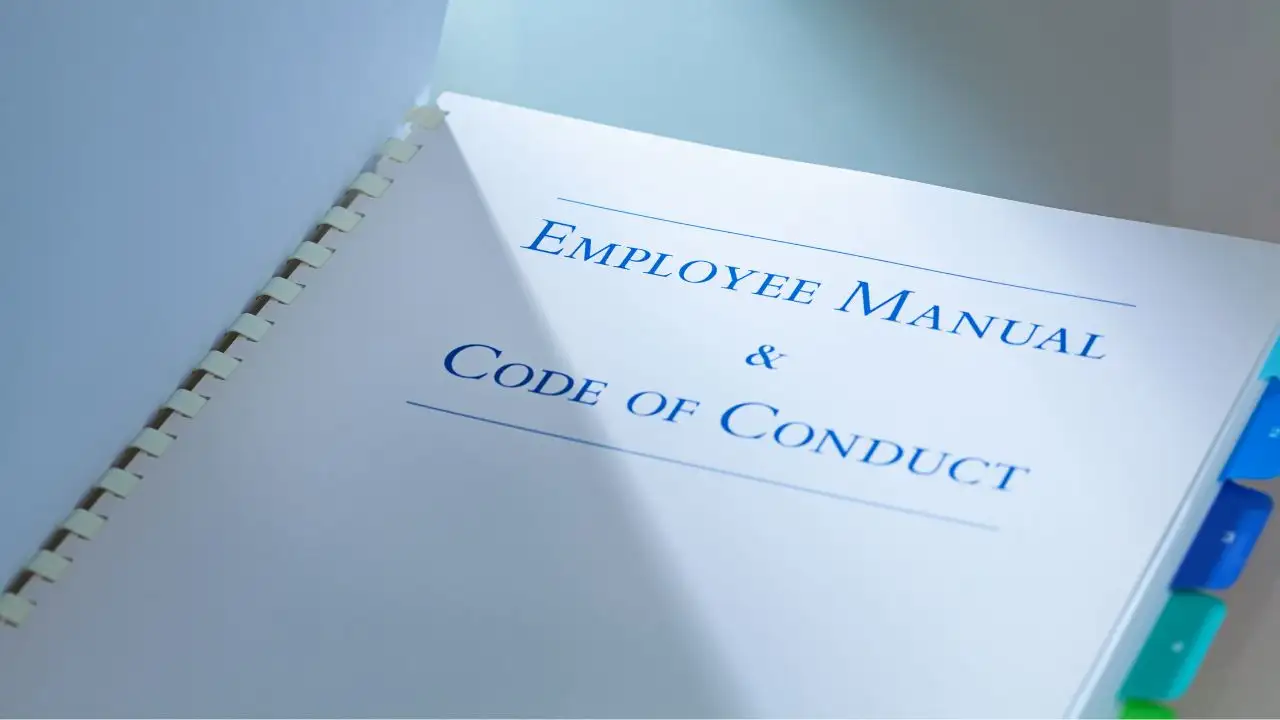
62% Say Leaders Get A Pass On Misconduct, New Data Shows

According to new TalentLMS data, 71% of employees feel protected at work, yet only 38% havenโ€™t witnessed misconduct โ€” suggesting protection is inconsistent and often conditional.

Allwork.Space News TeambyAllwork.Space News Team
January 22, 2026
in News
Reading Time: 4 mins read
A A
62% Say Leaders Get A Pass On Misconduct, New Data Shows

The data points to unequal accountability: 62% say leaders get a pass on misconduct, 45% have seen abusers promoted, and managers often discourage reporting.

A new TalentLMS survey shows a growing gap between how safe employees feel at work and what they actually experience day to day. While most U.S. workers say their employer protects them, misconduct remains widespread, reporting often goes nowhere, and accountability appears uneven.

The findings point to a workplace protection system that exists on paper, but frequently breaks down in practice.

Advertisements
Stop Juggling Tools - Yardi Kube

A Wide Gap Between Perception and Reality

According to the research, 71% of U.S. employees say they feel protected at work. But only 38% report not witnessing any form of misconduct, and just 44% say they havenโ€™t experienced it themselves.

That disconnect suggests protection is inconsistent and often conditional.

Advertisements
PrivacyPod

When incidents are reported, outcomes vary sharply. Only 27% of employees who spoke up say action was taken. Another 16% reported misconduct but saw no response at all, while a quarter never reported what they saw or experienced.

What Misconduct Looks Like on the Ground

The most common issues arenโ€™t headline-grabbing scandals, but everyday behavior that erodes trust:

  • Incivility and disrespect were witnessed by 36% of employees and experienced by 33%.
  • Professional or social exclusion affected roughly one in four workers.
  • Retaliation for speaking up was seen by 25% and experienced by 21%.

More serious violations are less common but still significant. Around 15% of employees say theyโ€™ve witnessed physical threats or intimidation, and 14% report seeing sexual harassment.

Together, the data shows misconduct is not isolated. Itโ€™s part of the regular workplace experience for many employees.

Advertisements
Workspace Geek -Coworking and flex space management, made simple

Why Employees Donโ€™t Report Problems

The biggest barrier to reporting is lack of trust.

Among employees who stayed silent:

  • 56% didnโ€™t believe reporting would make a difference
  • 36% feared retaliation
  • 26% worried it would hurt their career
  • 23% doubted theyโ€™d be believed

Nearly half also worry theyโ€™ll be labeled โ€œdifficultโ€ if they speak up, reinforcing a culture where silence feels safer than escalation.

Favoritism Undermines Protection

Perceived unequal accountability is one of the clearest fault lines in the data.

  • 62% of employees believe misconduct is more likely ignored when it involves high performers or leaders
  • 45% say theyโ€™ve seen people promoted despite mistreating others
  • 47% report managers actively discouraging escalation of harassment or discrimination complaints

For many workers, this sends a clear message: standards depend on status.

Where Employers Are Getting It Right

The picture isnโ€™t uniformly bleak. Most employees acknowledge preventive efforts:

  • 71% say their employer takes sufficient steps to prevent harassment and discrimination
  • 68% say their organization supports employees during personal crises

These findings suggest many companies have policies, training, and support systems in place. The challenge is consistency and follow-through.

The stakes are high: 77% of employees say theyโ€™re more likely to leave if they donโ€™t feel protected at work.

Advertisements
Workspace Geek -Coworking and flex space management, made simple

Compliance Training Helps, But Misses the Mark

Compliance training is having an impact, but itโ€™s not fully aligned with real workplace dynamics.

  • 60% say training has improved behavior
  • 36% believe better training would reduce misconduct
  • 45% say training doesnโ€™t reflect real situations they face at work

Access issues also persist, with one-third reporting technical or delivery problems. Meanwhile, one in five employees received no compliance training at all in the past year.

Training coverage is strongest for safety issues and weakest for behavior-driven risks like harassment prevention and DEI.

DEI Pullbacks Add Uncertainty

More than a quarter of employees say their company has scaled back DEI initiatives, while a third arenโ€™t sure if changes have occurred.

Advertisements
PrivacyPod

Among those who noticed a pullback, nearly one-third feel less protected as a result. Others report no change or even increased comfort, underscoring how differently these shifts land across the workforce.

What Employees Say Would Actually Reduce Misconduct

The research points to six actions employees believe would make the biggest difference:

  1. Equal consequences for everyone, regardless of role or performance
  2. Protection from retaliation and visible outcomes after reports
  3. Leaders modeling respectful behavior
  4. Manager evaluations tied to team culture and psychological safety
  5. More realistic, scenario-based compliance training
  6. Early intervention when incivility or exclusion appears

The message is consistent: policies alone arenโ€™t enough. Employees want proof that standards apply to everyone.

Advertisements
Subscribe to the Future of Work Newsletter
Source: TalentLMS
Tags: DE&ILeadershipNorth AmericawellnessWorkforce
Share7Tweet5Share1
Allwork.Space News Team

Allwork.Space News Team

The Allwork.Space News Team is a collective of experienced journalists, editors, and industry analysts dedicated to covering the ever-evolving world of work. Weโ€™re committed to delivering trusted, independent reporting on the topics that matter most to professionals navigating todayโ€™s changing workplace โ€” including remote work, flexible offices, coworking, workplace wellness, sustainability, commercial real estate, technology, and more.

Other Stories Recommended For You

Early Retirement May Speed Cognitive Decline, New Research Warns
News

Early Retirement May Speed Cognitive Decline, New Research Warns

byFeatured Insights
2 hours ago

While economists sound alarms about Gen Z unemployment, new research points to a quieter crisis: Gen X workers retiring years...

Read more
Coinbase To Cut 14% Of Staff In AI-Driven Productivity Push Amid Crypto Volatility

Coinbase To Cut 14% Of Staff In AI-Driven Productivity Push Amid Crypto Volatility

2 hours ago
Tokyo Ditches Dress Codes, Tells Workers To Wear Shorts As Energy Crisis Hits Offices

Tokyo Ditches Dress Codes, Tells Workers To Wear Shorts As Energy Crisis Hits Offices

2 hours ago
Hiring Jump Suggests U.S. Labor Market Is Stabilizing Despite Rising Economic Risks

Hiring Jump Suggests U.S. Labor Market Is Stabilizing Despite Rising Economic Risks

4 hours ago
Advertisements
Workspace Geek -Coworking and flex space management, made simple
Advertisements
Workspace Geek -Coworking and flex space management, made simple

The Future of Work® Newsletter helps you understand how work is changing — without the noise.

Choose daily or weekly updates to stay current, and monthly editions to explore worklife, work environments, and leadership in depth.

Trusted by 22,000+ leaders and professionals.

2026 Allwork.Space News Corporation. Exploring the Future Of Work® since 2003. All Rights Reserved

Advertise  Submit Your Story   Newsletters   Privacy Policy   Terms Of Use   About Us   Contact   Submit a Press Release   Brand Pulse   Podcast   Events   

No Result
View All Result
  • Home
  • Latest News
  • Topics
    • Business
    • Leadership
    • Work-life
    • Workforce
    • Career Growth
    • Design
    • Tech
    • Coworking
    • Marketing
    • CRE
  • Podcast
  • Urban Dictionary
  • About Us
  • Advertise | Media Kit
  • Submit Your Story
Newsletters

Welcome Back!

Login to your account below

Forgotten Password?

Retrieve your password

Please enter your username or email address to reset your password.

Log In
This website uses cookies. By continuing to use this website you are giving consent to cookies being used. Visit our Privacy and Cookie Policy.
-
00:00
00:00

Queue

Update Required Flash plugin
-
00:00
00:00