
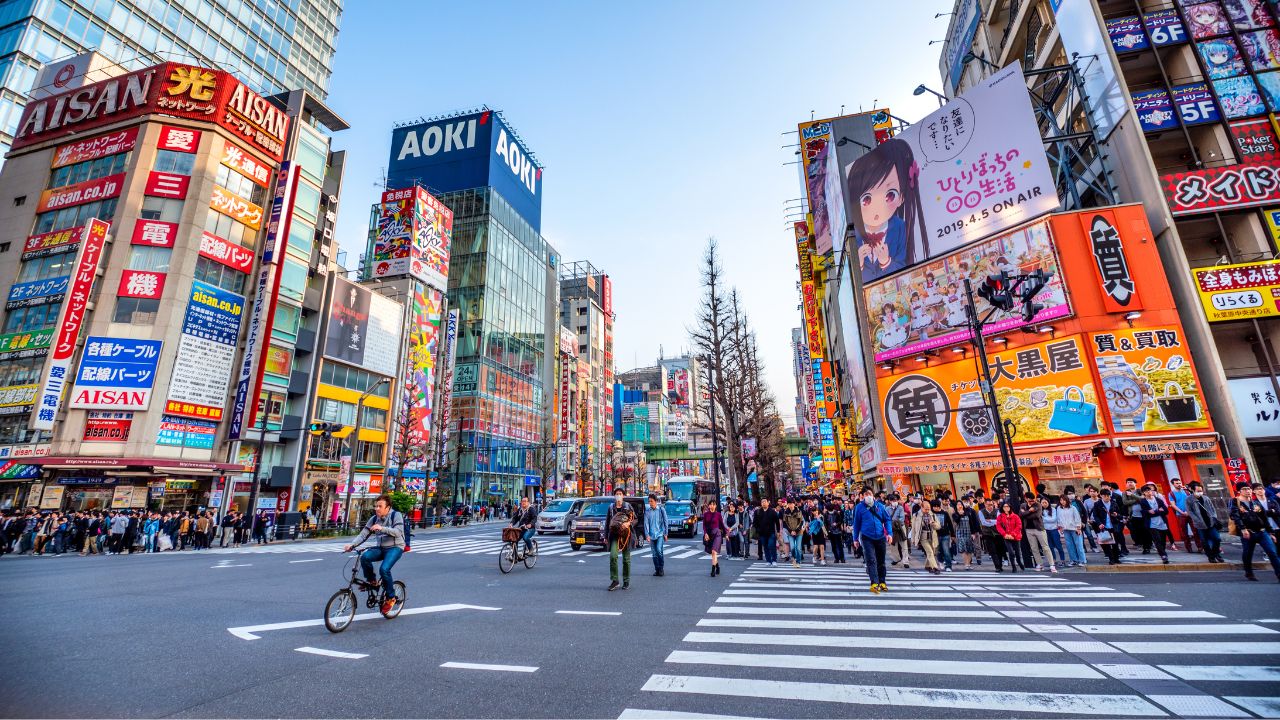
Tokyo has claimed the top spot in the International Workplace Group’s (IWG) 2025 Work from Anywhere Barometer, solidifying its position as the world’s premier destination for professionals blending work and travel. The Japanese capital outperformed global contenders including Rio de Janeiro and last year’s leader, Budapest, according to Hospitality Net.
The Rise of the Workcation Economy
As remote and hybrid working arrangements become entrenched in global work culture, the traditional boundaries between business and leisure continue to blur. IWG’s research reveals that 60% of hybrid workers are now more inclined to extend holidays to work remotely, compared to the previous year. Flexible workspace availability, cited by 86% of respondents as a key decision factor, is reshaping the map for digital nomads and location-independent professionals alike.

The demand for “workcations,” which are extended stays that seamlessly combine professional responsibilities with leisure and exploration, illustrates a larger transformation in what productive work environments can look like. Today’s knowledge workers are no longer tethered to office buildings or even their home cities, as mobile technology and cloud-based systems facilitate near-total geographic flexibility.
Why Tokyo Leads
Tokyo finished first place (91/120) and scored highly across all core metrics, particularly in internet speed, public safety, and transport efficiency. A recently introduced digital nomad visa, offering up to 12 months’ residency at competitive rates, further enhances Tokyo’s appeal.

Emerging Destinations Reflect Changing Priorities
This year’s barometer welcomed 10 new cities, including Tokyo, Seoul, Rome, Cairo, Mexico City, Cape Town, Prague, Melbourne, Orlando, and Reykjavik. They performed strongly in newer evaluation criteria, including affordability of digital nomad visas and proximity to natural attractions. For many, scenic backdrops and cultural richness are becoming non-negotiable components of the work-from-anywhere equation.
Productivity Gains and Talent Retention in a Flexible Future
The benefits of hybrid and remote work extend well beyond employee satisfaction. According to a joint study by IWG and global consultancy Arup, businesses that incorporate local flexible workspaces into their operations could see productivity gains of up to 11% over the next five years. Furthermore, flexible work policies are increasingly seen as a strategic lever for talent retention, with companies offering location choice experiencing up to 20% lower voluntary turnover.
As the global workforce redefines the parameters of productivity, cities that integrate high-performance infrastructure with lifestyle-driven offerings are emerging as the next frontier of professional mobility. With their compelling blend of technological readiness, cultural capital, and access to nature, Tokyo and its peers are setting the pace for the future of work.