



I spend a lot of time thinking about stress at work, both as the co-founder and CEO of Rebalance Health and as the author of Stress Nation. One thing has become impossible to ignore: our devices now shape the workday far more than most job descriptions ever did.
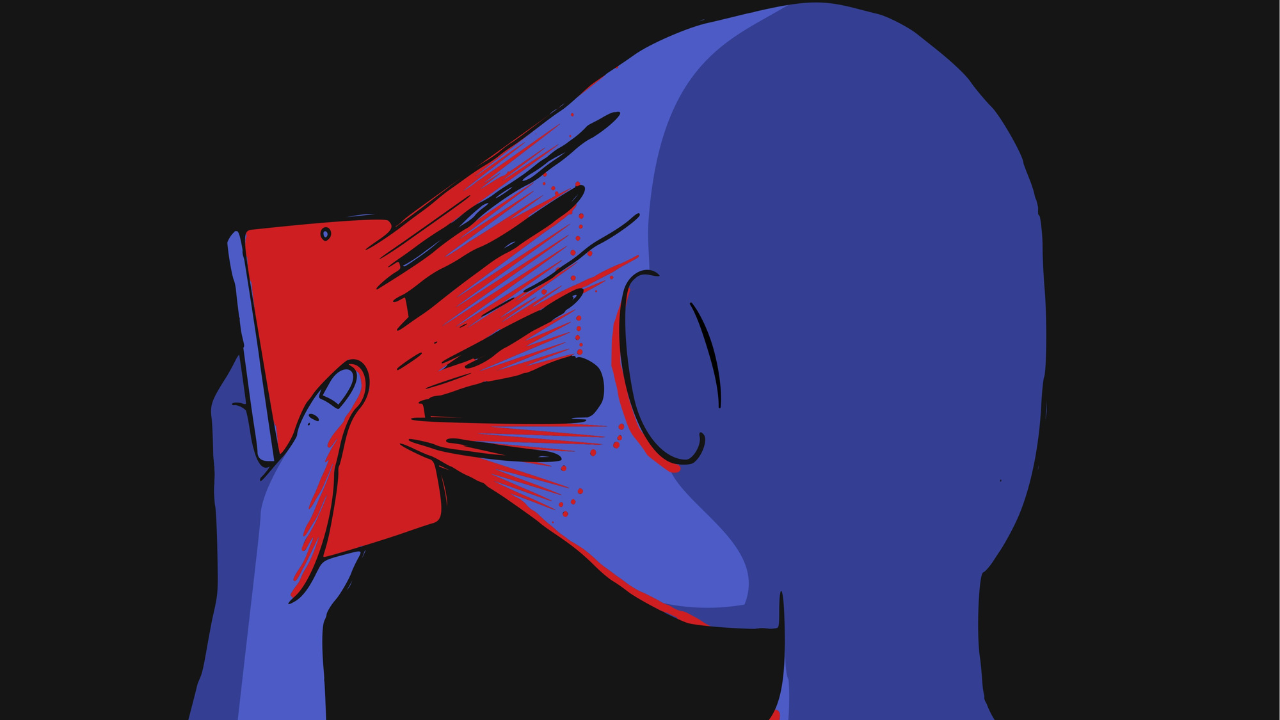
The future of work is often framed as more flexible and more humane. In practice, many people are more reachable, more interrupted, and more mentally exhausted than they were a decade ago. Smartphones, collaboration tools, and constant notifications have created an always-on environment that makes sustained focus increasingly rare.

You don’t need to be a professional to see it. Look around, at work, at the gym, or waiting in line at the grocery store. Screens are everywhere.
This isn’t just an annoyance. Over time, working in a state of constant interruption erodes motivation, attention, and cognitive stamina, even when people appear busy and responsive on the surface.

The modern workplace is designed for interruption
In today’s modern workplace we all juggle email, chat apps, project management platforms, and personal devices all at once. Each device and app is useful on its own, but together they create a workday defined by constant interruption and by keeping cortisol levels elevated through repeated activation of our stress response.
This leaves the body physiologically strained, even when it feels like we are just working. We are stuck in a loop of digital distraction, chronic stress, and hormone imbalances, and it is quietly eroding our well-being.
This phenomenon demonstrates how chronic stress has become the defining feature of modern work life.
Why our brains get hooked on notifications
Device addiction is not a failure of willpower. It’s a predictable neurological response. Every ping, vibration, or preview triggers a small release of dopamine, the neurotransmitter tied to reward and motivation.

Over time, those tiny hits add up, whether the message is genuinely important or just another calendar reminder no one asked for.
What makes notifications especially powerful is their unpredictability. We don’t know which message will matter, so our brains stay alert, just in case. Research in behavioral neuroscience has shown that this kind of variable reward is particularly effective at reinforcing habits, even when the reward itself is trivial.
The result is a feedback loop between the brain and the body. Our attention drifts toward the possibility of interruption. We check devices even when nothing has buzzed or chimed.
Focus becomes harder to sustain, not because people lack discipline, but because their nervous systems are being trained to remain on standby.
In modern work environments built around constant communication, this loop quietly undermines productivity. People stay busy and responsive, yet struggle to concentrate deeply or think clearly for any meaningful stretch of time.
We’ve trained our brains to behave like overworked interns, constantly checking in and rarely switching off.
Always-on work keeps our bodies in stress mode
Constant connectivity affects more than attention. Every interruption triggers the body’s stress response, raising cortisol and putting the nervous system on alert, even when the interruption turns out to be a meeting reminder we already ignored once.
Over a full workday, that low-level activation adds up. Tension builds. Fatigue sets in. Sleep becomes harder to come by, despite having spent most of the day sitting still and answering emails marked “urgent” that, somehow, never were.
The World Health Organization has linked chronic workplace stress to higher risks of anxiety, depression, and cardiovascular disease. When work rarely allows real pauses, stress stops being an occasional response and starts to feel like a permanent background condition.
Digital work environments are particularly good at sustaining this state. There’s no dramatic emergency, just a steady stream of messages, alerts, and expectations that keep the body quietly braced for action.
In many modern workplaces, the nervous system is the only thing truly working around the clock.
Productivity can look high, but output suffers
Many organizations reward speed and responsiveness. Fast replies are praised. Full calendars are admired. A packed day is often mistaken for a productive one, even if very little of substance actually gets done.
Research indexed in PubMed has found that frequent smartphone use during work hours is associated with lower task performance and reduced job satisfaction. It’s a reminder that being busy and being effective are not the same thing, no matter how impressive the calendar looks.
Deep work, creative thinking, and strategic problem-solving all require long, uninterrupted stretches of attention. In workplaces ruled by notifications, that kind of focus is quietly discouraged. The workday fills up, the inbox empties, and the important work somehow keeps getting pushed to tomorrow.
Motivation declines when work becomes reactive
When work becomes a steady stream of pings, messages, and “quick questions,” motivation doesn’t vanish overnight. It just slowly packs its bags and leaves without making a scene.
Days start to feel less like something you’re directing and more like something you’re surviving. You open your laptop with a plan, and an hour later, you’ve answered twelve messages, scheduled two meetings, and forgotten what you were supposed to be working on in the first place.
It’s hard to feel proud of anything when you’re never allowed to finish a thought, let alone a task.
This is burnout without the dramatic collapse. People stay online, stay responsive, and stay busy, while feeling increasingly disconnected from the work itself. The calendar is full, the inbox is under control, and the motivation has quietly gone missing.
If motivation had a timesheet, it would have clocked out somewhere between the third follow-up email and the fifth “just circling back.”
How we can rebalance device use at work
Reducing device addiction doesn’t mean rejecting technology, but rather using it with intention. Clear expectations around response times reduce compulsive checking. Protected focus time, like meeting-free blocks, gives people space to finish real work. Auditing notification defaults removes a surprising amount of noise with minimal effort.
Leadership matters more than policy. When leaders respect boundaries and protect their own focus, those behaviors spread quickly. When they don’t, no amount of wellness language will fix the culture.
The goal is alignment, not restriction. Work should be designed around how human brains and bodies actually function, including support for managing stress throughout the day.
The future of work depends on attention
The future of work won’t be shaped by more tools or faster replies, but rather by how well organizations protect attention in an environment designed to erode it.
Chronic stress has become a defining feature of modern work, and device addiction is one of its most reliable drivers. Organizations that address this will see stronger focus, better motivation, and more sustainable performance.
Those who don’t may stay busy and connected while engagement quietly drains away.