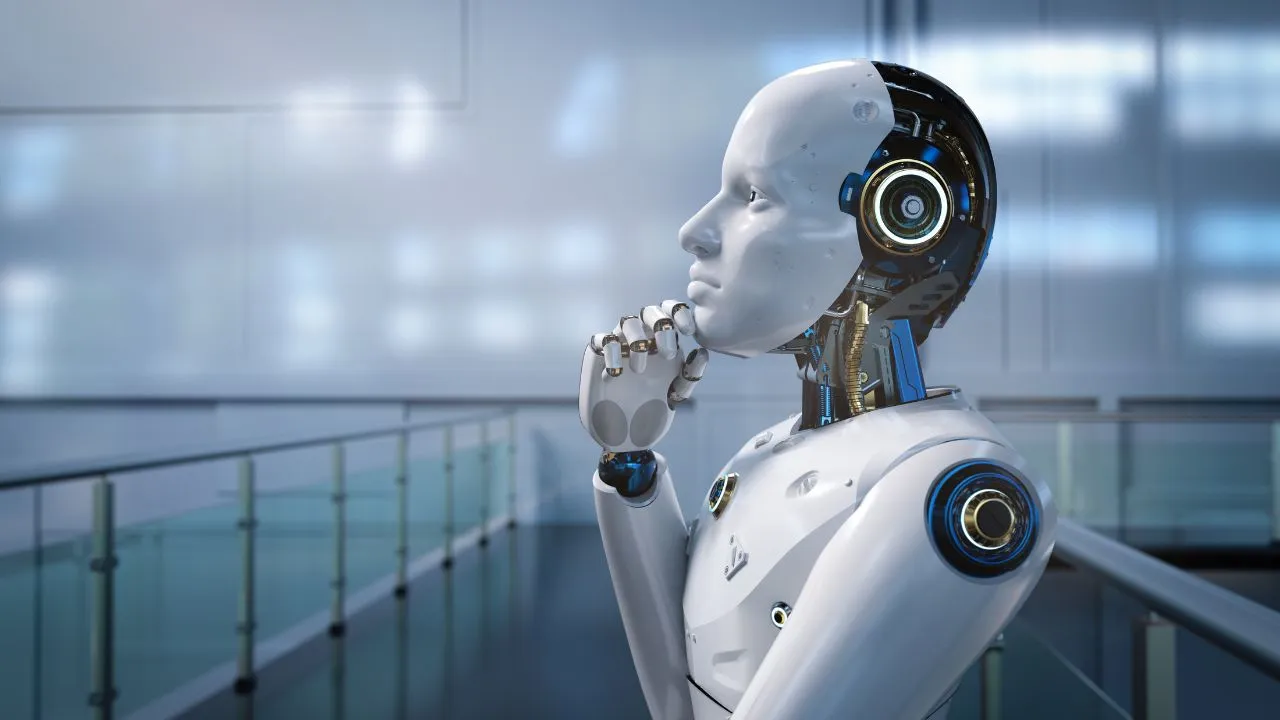
AI Is Creating a New Category of Human Work, Researchers Say
As generative AI becomes embedded in daily work, a growing debate is emerging around which human skills will become more valuable as automation expands.
New analysis suggests the biggest workplace change may be the redistribution of responsibilities between people and machines. While AI is becoming increasingly capable of generating content, analyzing data, writing code, and automating routine tasks, humans are expected to play a larger role in defining objectives, evaluating outcomes, and managing risk.

According to the World Economic Forum, technology is expected to contribute to both job creation and displacement over the remainder of the decade, while transforming many existing skill requirements.
Human Work Moves Beyond Task Execution
Researchers argue that as AI handles more information processing and routine execution, human value increasingly shifts toward work that requires context, accountability, and trust.

Rather than focusing solely on completing tasks, workers may spend more time determining how AI should be used, identifying constraints, reviewing outputs, and making decisions based on real-world conditions.
The trend applies across both digital and physical workplaces. AI may generate forecasts, recommendations, or automated actions, but people remain responsible for assessing whether those outputs align with business goals, customer needs, safety requirements, and operational realities.
New Roles Are Emerging Around AI Oversight
The analysis identifies two responsibilities becoming increasingly important as AI adoption grows.
These roles are described as the “AI work architect,” who designs how AI is applied in workflows, and the “AI steward,” who oversees and validates AI outputs before decisions are made.

While these responsibilities may not always become standalone job titles, experts suggest they are likely to become embedded across a wide range of occupations.
AI Skills Alone May Not Be Enough
The findings also highlight the growing importance of combining AI literacy with industry expertise, operational knowledge, and decision-making authority.
As organizations redesign workflows around AI, workers closest to day-to-day operations may play a critical role in identifying exceptions, risks, and practical constraints that automated systems can overlook.
The broader implication is that future work may depend less on producing information and more on interpreting it. As AI takes on a larger share of execution, the human role increasingly moves toward judgment, governance, and responsibility for real-world outcomes.