Open-plan offices have become a default setting for modern work — designed to increase collaboration and reduce real estate costs. But new research on this established model is finally asking what happens when people are placed in constant proximity without enough control over their environment?
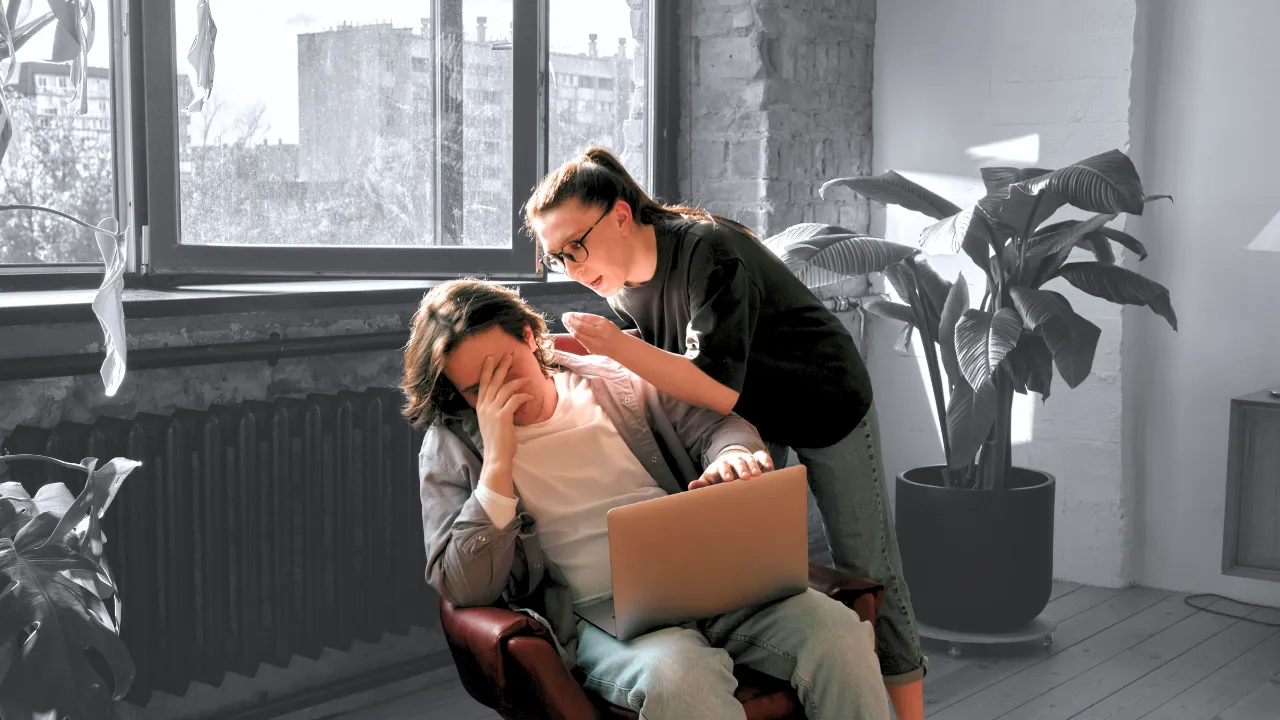
According to a Springer Nature study, employees working in open offices face a significantly higher risk of workplace bullying compared to those in private or small shared offices. The analysis was controlled for personality traits, demographics, and remote work patterns. The increased risk remained.

The findings point to the structure of the workspace — not just the people inside it.
Not all open offices operate the same way
The risk is concentrated in traditional open offices: large, shared environments with assigned desks and limited separation between workers. Employees in these settings also report lower job satisfaction and a higher likelihood of wanting to leave their jobs.

Activity-based offices show a different pattern. These layouts give employees access to multiple types of spaces depending on the task, such as quiet zones, collaborative areas, and private rooms. According to the same study, these environments do not show the same increase in bullying risk.
The difference comes down to flexibility and control. When employees can move, step away, or choose a different setting, tension has fewer chances to build.
Constant visibility changes workplace dynamics
Open offices increase exposure in ways that aren’t always obvious at first.
Employees are more visible to each other. Conversations are overheard. Screens are seen. Small behaviors like missed deadlines, tone in a meeting, or how someone works become easier to notice and judge.

At the same time, there is no easy way to step back from conflict. In enclosed offices, distance can create a pause. In open layouts, people remain in the same shared environment throughout the day.
That combination of visibility without distance can intensify interpersonal friction.
The study outlines how workplace bullying often develops gradually, starting with repeated negative interactions and escalating over time. Environments that limit the ability to disengage can accelerate that process.
More noise, more interruptions, more friction
Open offices are also defined by distraction. Noise, especially from speech, disrupts concentration. Interruptions (both direct and indirect) break workflow. Crowding reduces the sense of personal space.
These factors are productivity issues, but they also influence how people feel and react throughout the day.
Frequent interruptions and lack of privacy create ongoing low-level stress. Over time, that stress can shift behavior and lead to irritation, miscommunication, and strained interactions between coworkers.
Research has long linked open offices to lower job satisfaction, higher stress, and increased sick leave. This study connects those same conditions to a higher likelihood of negative social behavior.
Collaboration doesn’t always increase
One of the original arguments for open offices was that closer proximity would lead to more interaction. In practice, the opposite often happens.
Employees develop coping mechanisms to protect focus, like wearing headphones, limiting conversations, or moving communication online. Face-to-face interaction can decline, even when people sit near each other.
When communication drops, small misunderstandings are less likely to be resolved quickly. That creates space for tension to linger and grow.
A growing issue for workplace strategy
Open offices expanded rapidly as companies looked to cut costs and support more flexible workstyles. Hybrid work has since changed how often people use these spaces, but many layouts remain the same.
At the same time, expectations have changed, as employees are more aware of how their environment affects focus, stress, and overall experience at work.
The findings from this research place office design directly into conversations about workplace culture and risk.
Bullying, turnover, and job satisfaction are not only management issues; they are influenced by how work is physically organized.
Where this leaves workplace design
Companies are already experimenting with new formats by adding quiet zones, private rooms, and flexible seating arrangements.
Activity-based models offer one path, giving employees more choice throughout the day. The research suggests that flexibility can reduce some of the pressure points found in traditional open layouts.
Design alone does not determine behavior, but it shapes the conditions in which behavior develops.
As organizations continue to rethink the office, the focus is moving beyond density and cost. The structure of the workspace is becoming part of how companies manage performance, retention, and employee well-being.
Office design now reaches far beyond space planning, setting the tone for how people communicate, handle tension, and work alongside each other every day.