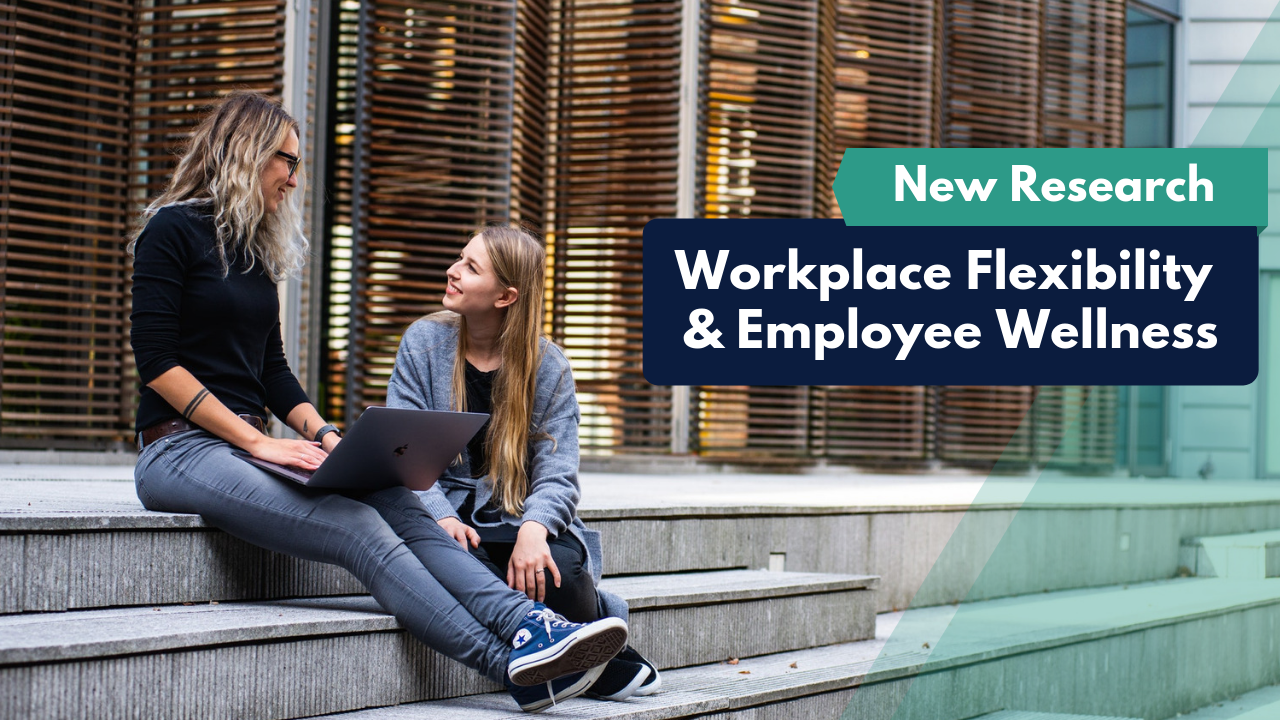
- According to new research, workplace flexibility has a significant impact on employee wellness.
- There are 3 areas that are negatively impacted when employees lack access to flexibility: caregiving, personal health, and productivity.
- One of the ways flexibility can reduce common barriers to being well is by improving the structure of the working day.
Werk, a technology platform that helps companies become flexible through data and insights, recently published the report “The Future is Flexible: The Importance of Flexibility in the Modern Workplace”.
The report shares the findings from research commissioned by Werk, that studied the state of flexibility in the U.S. workforce. The research sampled 1,583 white collar professionals across different industries.

One of the key findings of the report was the impact of flexibility on wellness. According to it, there are 3 areas that are negatively impacted when employees lack access to flexibility.
- Caregiving: how the individual cares for those who depend on them.
- Health and wellness: how the individual takes care of him or herself.
- Productivity: how the individual works best.
Wellness has become a central topic around work and workplace. In fact, the workplace wellness market is now valued at an estimated $48 billion and it is expected to grow to $65.6 billion by 2022. Nonetheless, there’s still a lot that needs to be done, especially considering that the workplace wellness market is “small in comparison with the massive economic burden and productivity losses associated with an unwell workforce and widespread worker disengagement.”

The study commissioned by Werk found that flexibility can play a key role in improving employees’ health and wellness. According to it, “lack of flexibility has a significant impact on employees’ ability to engage in preventive health measures.”
Flexibility can do this as it can help reduce and remove common barriers to being well. Werk believes that one of the reasons why existing wellness programs don’t work or don’t meet the expected results is that “they aim to address poor health and wellness by adding incentives for being well rather than removing the barriers to being well.”
Participants of the study believe the following:
- The structure of my work day makes it somewhat/very challenging for me to:
- Make time for exercise and healthy living (36%)
- Be available for periodic health appointments such doctors appointments, urgent care visits, etc. (26%)
- Be available for recurring health appointments such as mental health counseling, physical therapy, etc. (30%)
- Manage physical conditions or chronic illnesses (29%)
- Get enough sleep at night (30%)
Suggested Reading: “How to Address Mental Health in the Workplace”
By adopting and implementing flexible work policies and practices (flexible schedules, flexible workplaces, remote or home working), companies can empower employees to take better care of themselves to prevent common issues like burnout, stress, anxiety, flu/colds, back pain, etc.
These strategies not only benefit the individual, but the entire office. “Social distancing” can help prevent illness outbreaks in an office.
“‘Social distancing’ measures during the 1918 flu pandemic made the difference between high and low mortality rates in U.S. cities. David Gray, a former acting assistant secretary at the U.S. Department of Labor, says that during outbreaks ‘it is likely that many workers will be sick enough that they will need to stay away from work, if only to keep their coworkers from being impacted.’”
Removing barriers that currently prevent employees from taking care of themselves will not only help companies have a healthier more engaged workforce, but it can also help companies save “upwards of $10,000 per employee on healthcare.” This is particularly of interest for companies given the high cost of pharmaceuticals.
A flexible working policy “allows employees to prioritize preventive healthcare, which can reduce acute health issues, decrease absenteeism, and help manage escalating healthcare costs.”
If you’d like to learn more about workplace wellness, sign up for our Wellness newsletter.